East Africa is a region rich in cultural heritage, with traditions passed down through generations. However, the influence of globalization and modernity is reshaping lifestyles, creating a unique blend of old and new. This article explores how families in East Africa are maintaining their cultural values while embracing modern trends in education, technology, and social life.
The Cultural Foundation of East African Living
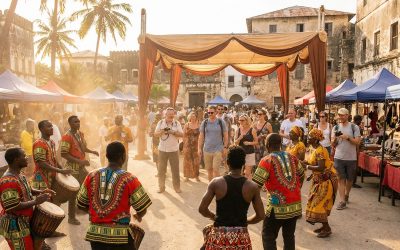
Tradition is at the heart of East African societies. Practices such as communal living, storytelling, and rites of passage play a significant role in shaping identity and fostering a sense of belonging. Traditional diets, clothing, and ceremonies continue to define the daily lives of many East Africans, particularly in rural areas.
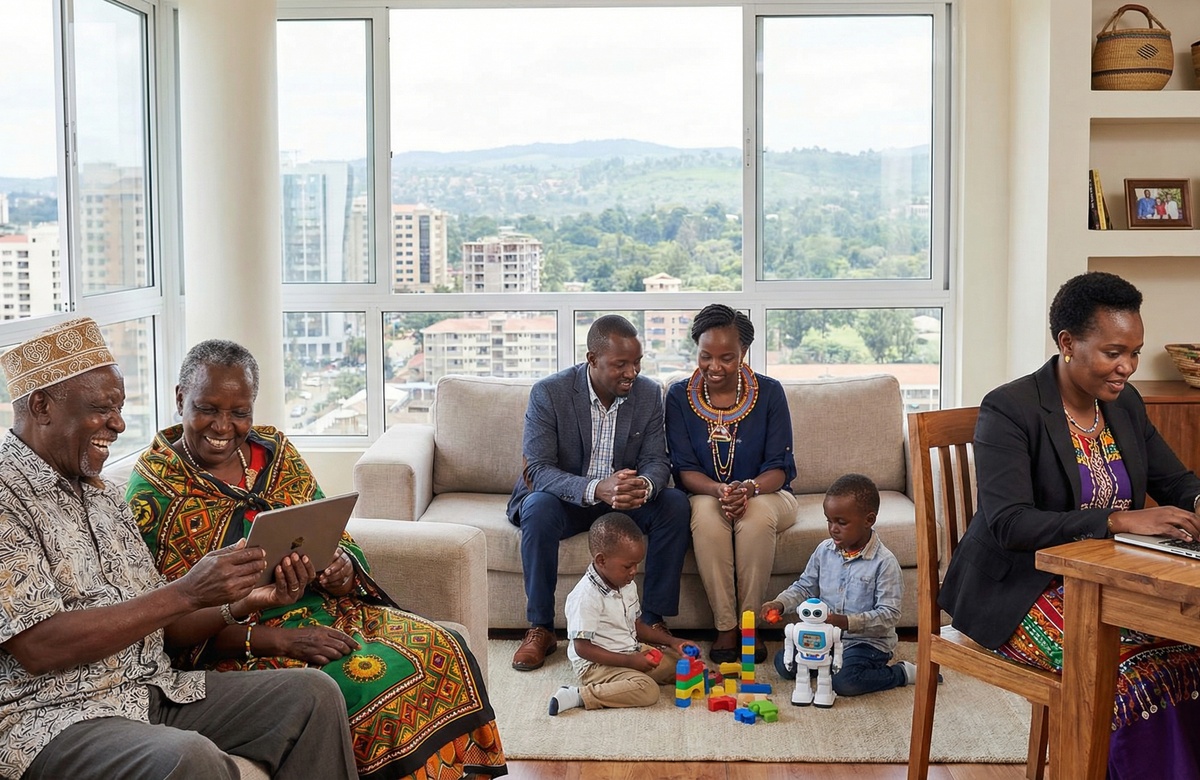
In urban settings, however, the pull of modernity is stronger. Cities like Nairobi, Addis Ababa, and Kampala are hubs of innovation, where the younger generation increasingly adopts global trends in fashion, technology, and entertainment. This coexistence of tradition and modernity creates a dynamic cultural landscape.
Education: Preserving Heritage While Embracing Change
Education systems in East Africa have become a focal point for balancing tradition and modernity. While modern curricula focus on science, technology, and global languages, traditional education emphasizes indigenous knowledge and cultural practices.
Schools like the United World College in East Africa are integrating these approaches by teaching global citizenship alongside local cultural studies. Such initiatives allow students to appreciate their heritage while preparing for a competitive global economy.
Technology: A Catalyst for Cultural Integration
Technology is transforming how traditions are preserved and shared. Platforms like YouTube and TikTok enable young East Africans to showcase traditional dances, music, and recipes to a global audience, keeping their heritage alive. Additionally, apps designed to teach indigenous languages, such as Kiswahili Hub, are gaining popularity among the younger generation.
Mobile technology also supports community connections, with WhatsApp groups becoming digital equivalents of traditional village meetings. These platforms bridge generational gaps, ensuring that cultural values are passed down in innovative ways.
Food and Fashion: A Fusion of Old and New
East African cuisine, known for dishes like ugali, injera, and nyama choma, remains central to cultural identity. However, modern dining trends are introducing fusion cuisines, blending traditional ingredients with global culinary techniques. Restaurants like Nairobi’s Nyama Mama epitomize this trend, offering contemporary takes on classic East African dishes.
In fashion, traditional garments such as the kitenge and shuka are being reinvented into modern styles by designers like Ethiopia’s Liya Kebede. These creations celebrate cultural identity while appealing to international fashion markets.
The Challenges of Balancing Tradition and Modernity
While the blend of old and new creates opportunities, it also poses challenges. Rapid urbanization and exposure to global culture can dilute traditional practices, particularly among younger generations. Additionally, generational conflicts often arise when older family members resist change, viewing modernity as a threat to their cultural values.
Economic pressures also play a role. In urban areas, the cost of maintaining traditional practices, such as hosting large family gatherings, can be prohibitive. Balancing these costs with modern lifestyles requires innovative approaches.
The Way Forward: Harmonizing the Past and Present
East African societies are finding ways to harmonize tradition and modernity. Community initiatives, such as cultural festivals and heritage preservation projects, are helping to maintain a sense of identity. Governments and NGOs are also supporting these efforts through programs that promote cultural education and digital storytelling.
The private sector plays a role as well. Brands that incorporate traditional elements into their products and services, like Tanzania’s Chako Design, appeal to consumers who value both heritage and modernity. Such efforts demonstrate that tradition and modernity can coexist and even enhance one another.
Conclusion: A Unique Cultural Identity
East Africa’s ability to balance tradition and modernity is a testament to its resilience and adaptability. By embracing change while preserving cultural values, the region continues to create a unique identity that reflects its rich heritage and progressive outlook. This harmonious blend serves as an inspiration, showing that honoring the past does not have to mean rejecting the future.
 WhatsApp for a Google-Ready Website