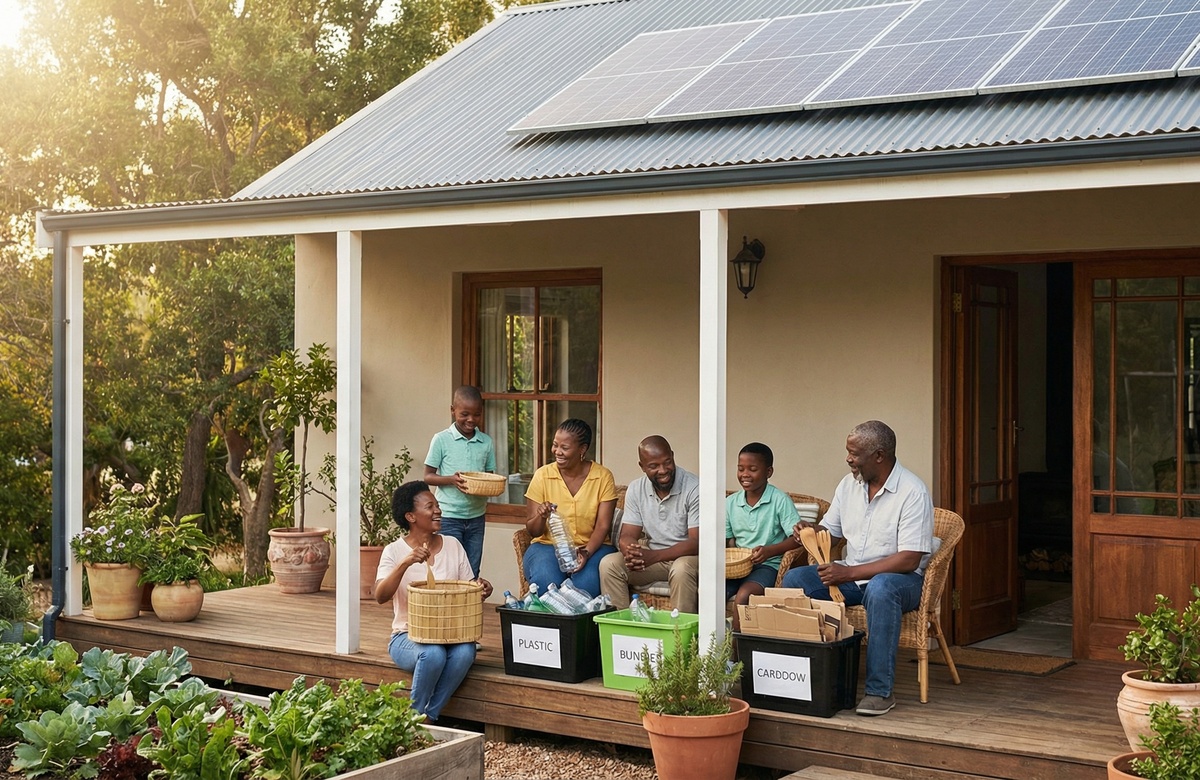
In a world increasingly impacted by climate change and environmental degradation, adopting eco-friendly lifestyle choices is more important than ever. East African communities are finding innovative ways to embrace sustainability while preserving their cultural heritage and adapting to modern living. This article explores practical steps families and individuals can take to live more sustainably without compromising their quality of life.
The Importance of Eco-Friendly Living
Eco-friendly living involves making daily choices that reduce one’s carbon footprint and conserve natural resources. For East Africa, sustainability is not just about addressing global environmental concerns but also ensuring long-term access to resources like clean water, fertile land, and energy. Adopting eco-friendly practices can improve community health, create economic opportunities, and safeguard the region’s rich biodiversity.
Reducing Waste: Small Changes, Big Impact
One of the most effective ways to live sustainably is by reducing waste. Simple, practical changes can make a significant difference:
Minimizing Plastic Use: Using reusable bags, bottles, and containers helps reduce plastic pollution, a growing concern in East African cities like Nairobi and Kampala.
Composting Organic Waste: Kitchen scraps and garden waste can be turned into nutrient-rich compost, benefiting gardens and reducing landfill waste.
Recycling and Upcycling: Communities are embracing recycling initiatives and creatively repurposing materials, such as turning old tires into furniture or plastic bottles into construction materials.
Embracing Renewable Energy
Access to reliable electricity remains a challenge in many parts of East Africa. Renewable energy solutions provide a sustainable and cost-effective alternative:
Solar Power: Affordable solar panels and lanterns are becoming widely available, offering a clean and renewable energy source for households and businesses.
Biogas Systems: Rural communities are adopting biogas systems, which convert organic waste into cooking fuel, reducing reliance on firewood and charcoal.
Energy-Efficient Appliances: Opting for energy-efficient stoves, refrigerators, and lighting reduces energy consumption and saves money.
Water Conservation: A Precious Resource
Water scarcity is a critical issue in many East African regions. Eco-friendly practices can help conserve this vital resource:
Rainwater Harvesting: Collecting and storing rainwater ensures a steady supply for domestic and agricultural use during dry periods.
Drip Irrigation: This efficient irrigation method minimizes water waste and boosts agricultural productivity.
Fixing Leaks: Regularly checking and repairing water leaks can save significant amounts of water over time.
Sustainable Transportation and Travel
Transportation is a major contributor to carbon emissions, but sustainable alternatives are gaining traction:
Cycling and Walking: Opting for bicycles or walking for short distances reduces emissions and promotes physical fitness.
Public Transport: Using buses or shared taxis minimizes the number of vehicles on the road, reducing congestion and pollution.
Eco-Tourism: Traveling sustainably by supporting eco-friendly accommodations and local businesses helps protect natural habitats and promote conservation.
Fostering a Culture of Sustainability
Adopting eco-friendly practices is not just about individual actions; it’s about creating a collective culture of sustainability. Schools, community groups, and businesses play a vital role in promoting environmental awareness. Initiatives like tree planting campaigns and community clean-ups are excellent ways to involve people of all ages in sustainability efforts.
Overcoming Barriers to Eco-Friendly Living
While the benefits of sustainable living are clear, challenges remain:
Affordability: Many eco-friendly products and technologies have high upfront costs, limiting their accessibility.
Awareness: Lack of education about sustainability often hinders adoption in rural areas.
Infrastructure Gaps: Inadequate recycling facilities and renewable energy infrastructure make it difficult for communities to transition fully to eco-friendly practices.
Governments, NGOs, and private companies must work together to address these barriers through subsidies, awareness campaigns, and investments in green infrastructure.
Conclusion: Building a Greener Future
Eco-friendly lifestyle choices are not just about saving the planet; they’re about creating healthier, more sustainable communities. By embracing simple practices like reducing waste, conserving water, and using renewable energy, East African families can make a lasting impact. Sustainability is a journey, and every small step contributes to a greener, brighter future.
 WhatsApp for a Google-Ready Website