Social media has become an integral part of daily life in East Africa, shaping how people communicate, shop, learn, and express themselves. Platforms like Facebook, Instagram, TikTok, and WhatsApp are driving significant cultural and societal changes, creating new opportunities while presenting unique challenges. This article explores the growing influence of social media on East African lifestyles and its impact on culture, business, and social dynamics.
The Rise of Social Media in East Africa
Over the past decade, internet penetration has increased significantly in East Africa, fueled by the widespread adoption of affordable smartphones and improved mobile data services. Social media platforms have become accessible to millions, offering spaces for connection, creativity, and commerce.
Countries like Kenya, Uganda, and Tanzania have seen a surge in social media usage, with platforms evolving into essential tools for personal expression, business marketing, and political engagement. For many East Africans, social media is more than just entertainment—it’s a means of navigating modern life.
Shaping Cultural Trends
1. Reinventing Identity and Fashion
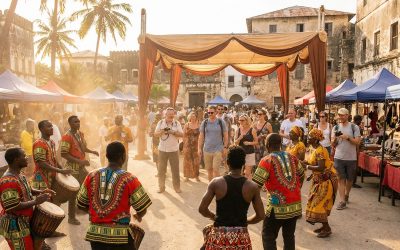
Social media has become a platform for cultural expression, allowing users to showcase traditional and modern styles to a global audience. Influencers often merge traditional attire, such as kitenge and shukas, with contemporary fashion trends, inspiring a unique East African aesthetic.
2. Amplifying Music and Arts
Artists and musicians in East Africa leverage social media to promote their work, connect with fans, and reach international audiences. Platforms like YouTube and TikTok have launched careers for creators, enabling them to bypass traditional gatekeepers in the music and arts industries.
3. Redefining Beauty Standards
Social media has reshaped beauty standards, introducing diverse representations of beauty. However, the influence of global trends can sometimes conflict with traditional East African ideals, sparking debates about identity and cultural preservation.
Transforming Business and Commerce
Social media has opened new avenues for entrepreneurship and economic activity:
E-Commerce Growth: Platforms like Instagram and Facebook Marketplace have become virtual storefronts for small businesses, enabling them to reach local and international customers.
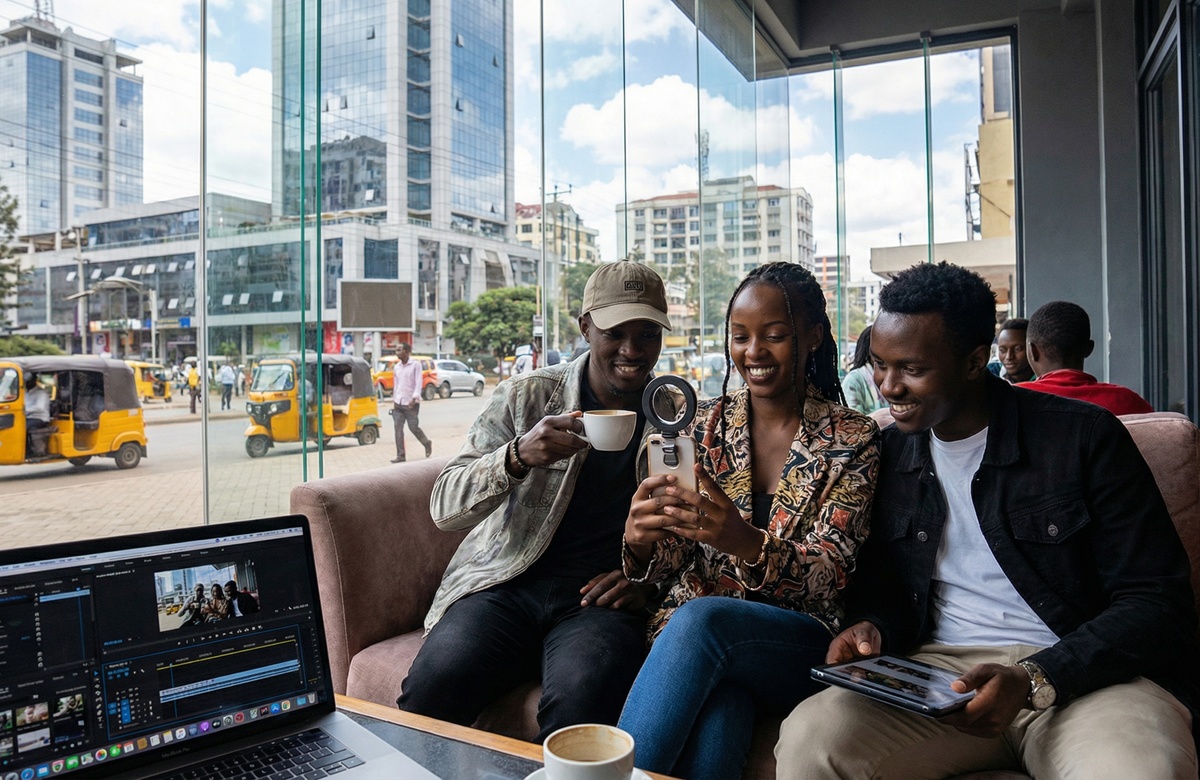
Digital Marketing: Entrepreneurs use social media to promote their brands, engage with customers, and drive sales. Affordable advertising tools make it easier for small businesses to compete with larger firms.
Livelihood Opportunities: Influencers and content creators earn incomes through brand partnerships, sponsored posts, and monetized content, creating new forms of employment.
Social Media and Education
Social media has transformed how East Africans access education and skills training:
E-Learning Communities: Platforms like YouTube host free tutorials on topics ranging from coding to farming, providing accessible learning opportunities.
Awareness Campaigns: NGOs and governments use social media to promote public health, environmental conservation, and civic engagement, reaching audiences who might not access traditional media.
Networking and Mentorship: LinkedIn and other professional networks facilitate mentorship and career opportunities, connecting users to global markets.
Challenges of Social Media Influence
While the benefits are evident, social media also presents challenges:
Mental Health Concerns: Excessive use of social media can contribute to anxiety, depression, and body image issues, especially among younger users.
Misinformation: The spread of fake news and unverified information is a growing problem, impacting public trust and decision-making.
Privacy Issues: Data privacy concerns and cyberbullying remain significant challenges, with many users unaware of how to protect themselves online.
The Future of Social Media in East Africa
Social media’s role in East African lifestyles will only grow as technology advances. Governments, educators, and platforms must work together to address challenges while maximizing opportunities. Digital literacy campaigns, stricter regulations on misinformation, and mental health resources can ensure that social media remains a force for good.
Conclusion: A Tool for Connection and Change
Social media is reshaping East African lifestyles in profound ways, blending tradition with modernity and creating new possibilities for personal and economic growth. By leveraging its positive aspects and addressing its challenges, East Africans can harness the power of social media to enrich their lives and build stronger, more connected communities.
 WhatsApp for a Google-Ready Website