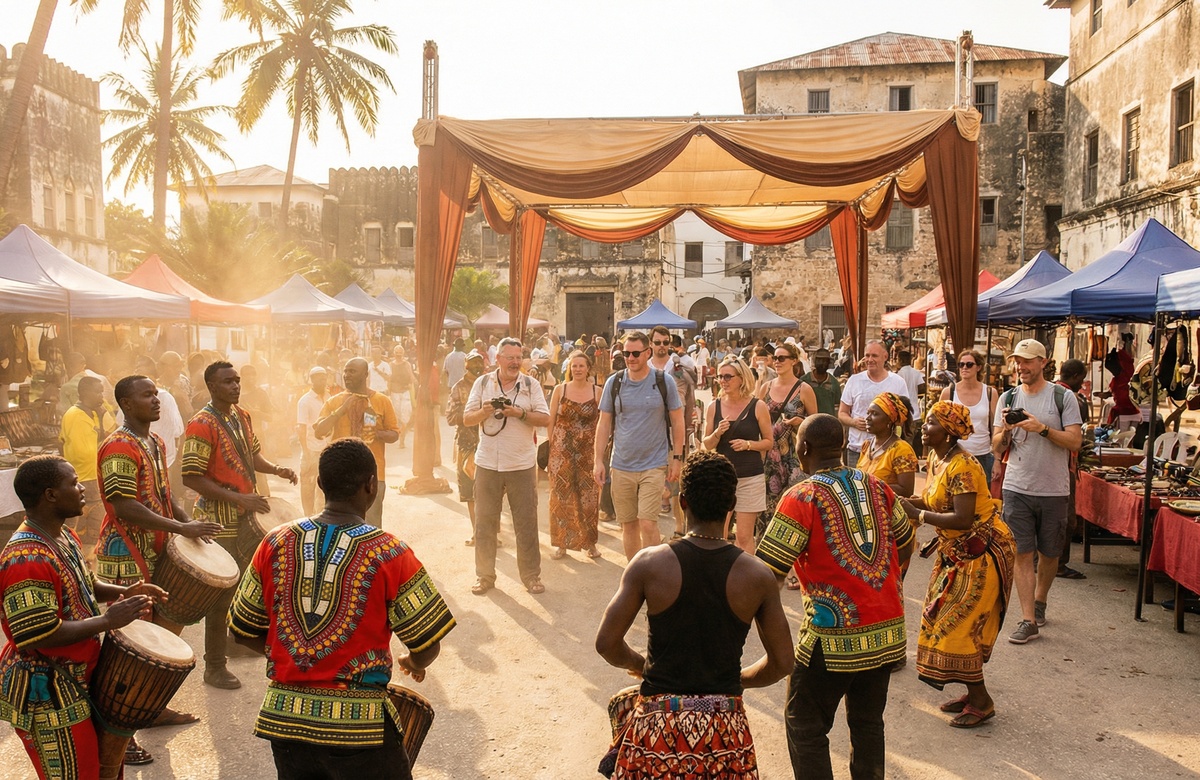
Cultural festivals are more than celebrations of heritage; they are key drivers of tourism and economic development in East Africa. These events showcase the region’s rich traditions, music, dance, and cuisine, attracting both local and international visitors. This article explores the growing influence of cultural festivals on East African tourism, highlighting key events and their impact on the region.
The Role of Cultural Festivals in Tourism
Cultural festivals provide an immersive experience, allowing tourists to engage deeply with the traditions and lifestyles of East African communities. From Uganda’s Nyegenyege Festival to Ethiopia’s Timket Festival, these events boost tourism by:
Showcasing local cultures and crafts.
Encouraging international travel.
Supporting small businesses and artisans.
Strengthening community identity and pride.
Tourists attending festivals often extend their stays to explore nearby attractions, contributing to the broader tourism economy.
Must-Attend Festivals in East Africa
1. Timket Festival (Ethiopia)
Timket, or the Ethiopian Epiphany, is one of the most vibrant religious celebrations in the region. Held every January, it commemorates the baptism of Jesus Christ. The event features colorful processions, traditional chants, and the sprinkling of holy water. It attracts thousands of visitors to cities like Addis Ababa and Gondar.
2. Nyegenyege Festival (Uganda)
This annual music and arts festival has become a global phenomenon, drawing visitors from around the world to Jinja. Nyegenyege blends traditional and contemporary music, art installations, and cultural performances, making it a hub for creativity and entertainment.
3. Zanzibar International Film Festival (Tanzania)
Held in Zanzibar, this film and arts festival celebrates African and international cinema. It includes film screenings, workshops, and cultural showcases, attracting filmmakers, artists, and tourists to the island.
4. Maralal Camel Derby (Kenya)
Located in Samburu County, the Maralal Camel Derby is a unique sporting and cultural event. It features camel races, cultural exhibitions, and local crafts, offering a rare glimpse into the traditions of Kenya’s northern communities.
5. Oromo Festival (Ethiopia)
This vibrant festival celebrates the culture and heritage of the Oromo people, Ethiopia’s largest ethnic group. It includes traditional music, dance, and storytelling, fostering cultural exchange and unity.
Economic Impact of Cultural Festivals
Boosting Local Economies
Festivals provide income opportunities for local communities through accommodation, food services, transport, and crafts. Small businesses benefit from increased demand during these events.
Promoting Regional Tourism
Cultural festivals encourage visitors to explore nearby destinations, enhancing the overall appeal of East Africa as a travel hub. For instance, tourists attending Nyegenyege often visit Uganda’s national parks and Jinja’s Nile River attractions.
Creating Employment
Festivals generate temporary and permanent jobs in event planning, hospitality, and logistics, empowering local youth and professionals.
Preserving Heritage
By highlighting traditional practices, festivals contribute to the preservation of East Africa’s diverse cultural heritage. They also raise awareness about the importance of safeguarding these traditions for future generations.
Challenges in Festival Tourism
Infrastructure Limitations
Inadequate transport and accommodation options can limit accessibility to festival locations, particularly in rural areas.
Over-Tourism
Popular festivals may face overcrowding, putting pressure on local resources and infrastructure.
Funding Constraints
Organizing large-scale festivals requires significant financial investment. Many events struggle with limited budgets, affecting their quality and reach.
Strategies for Enhancing Festival Tourism
Invest in Infrastructure
Improving roads, airports, and accommodations near festival venues will enhance accessibility and attract more tourists.
Strengthen Marketing Efforts
Leveraging social media and partnerships with travel agencies can increase global awareness of East African festivals.
Promote Eco-Tourism
Incorporating sustainable practices into festivals, such as waste management and renewable energy use, aligns with global trends and appeals to eco-conscious travelers.
Offer Integrated Packages
Tour operators can design packages that combine festival attendance with visits to nearby attractions, maximizing the tourism experience.
The Future of Cultural Festivals in East Africa
Cultural festivals in East Africa have the potential to grow into major global attractions. By embracing innovation, sustainability, and inclusivity, these events can attract larger audiences while preserving their authenticity. Governments, private investors, and local communities must collaborate to ensure festivals remain impactful and sustainable.
Conclusion: Celebrating Culture, Driving Tourism
Cultural festivals are more than entertainment—they are windows into East Africa’s soul, offering visitors a chance to experience the region’s rich traditions and hospitality. As these events continue to gain prominence, they will play a crucial role in shaping East Africa’s tourism landscape and creating lasting memories for travelers from around the world.
 WhatsApp for a Google-Ready Website