Ethiopian authors are playing a pivotal role in redefining African literature, drawing from their rich cultural heritage and addressing contemporary issues that resonate globally. Their works explore themes of identity, resilience, and social change, offering fresh perspectives that enrich the African literary canon. This article delves into the contributions of Ethiopian writers, their impact on global literature, and the future of storytelling in the country.
The Rich Legacy of Ethiopian Storytelling
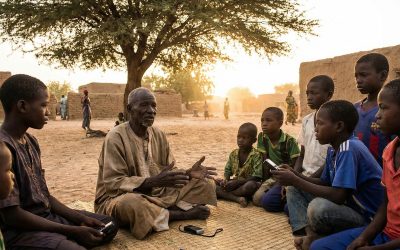
Ethiopia’s storytelling tradition dates back centuries, rooted in its unique history, religious texts, and oral traditions. The Ge’ez manuscripts and Ethiopian Orthodox literature laid the foundation for a culture of narrative excellence. Today, Ethiopian authors are building on this legacy by crafting stories that blend tradition with modernity, creating narratives that are both deeply personal and universally relatable.
The Emerging Voices of Ethiopian Literature
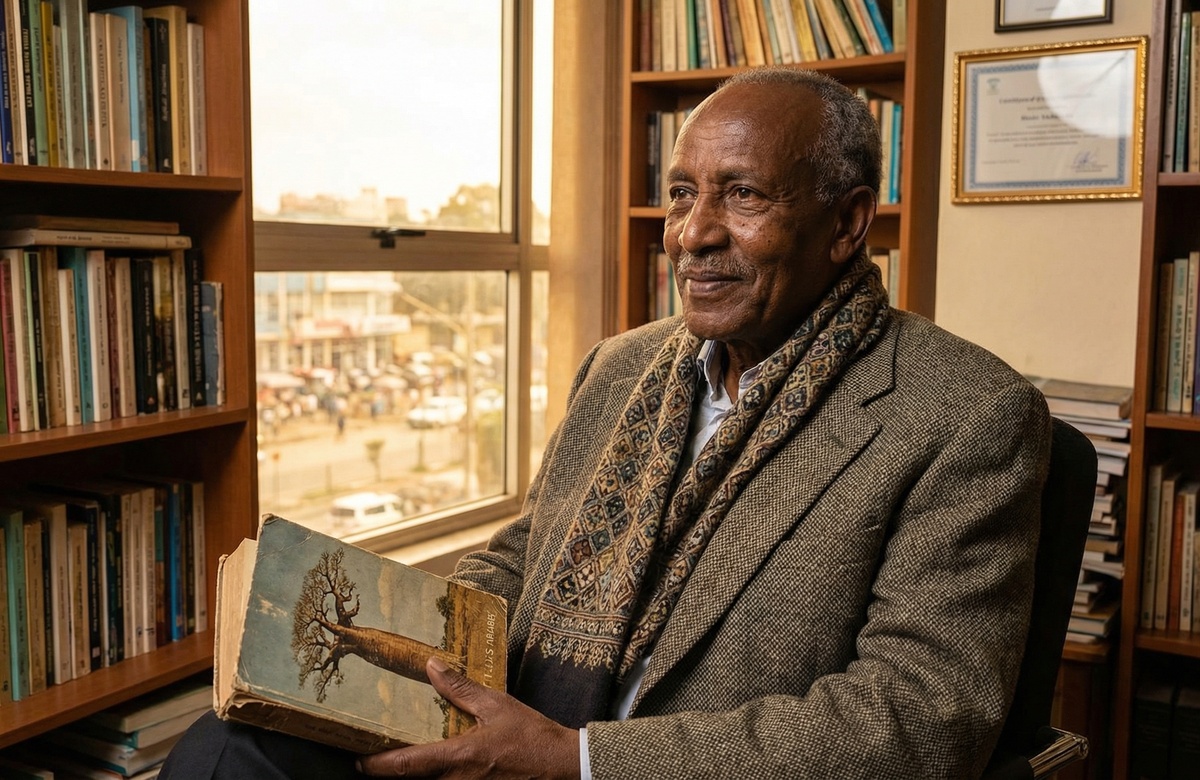
Dinaw Mengestu is one of the most prominent Ethiopian writers on the global stage. His novels, such as The Beautiful Things That Heaven Bears and How to Read the Air, explore themes of migration, identity, and belonging. Drawing from his experiences as a member of the Ethiopian diaspora, Dinaw’s works resonate with readers who grapple with the complexities of cultural integration.
Maaza Mengiste, another celebrated author, has gained international acclaim for her novel The Shadow King. Set during Mussolini’s invasion of Ethiopia, the book highlights the overlooked contributions of women in war, showcasing their strength and resilience. Maaza’s evocative prose and historical depth have cemented her as a leading voice in African literature.
Emerging talents like Hirut Kasaye are also making waves in the literary world. Through short stories and poetry, Hirut delves into topics such as gender equality and social justice, offering bold critiques of societal norms and sparking meaningful conversations.
Themes Driving Ethiopian Literature
Ethiopian authors are known for addressing themes that reflect their unique cultural and historical experiences. Migration and identity are recurring subjects, as writers explore the challenges of displacement and the search for belonging in foreign lands. Social and political change is another dominant theme, with authors examining Ethiopia’s tumultuous history and its implications for the present.
Gender and feminism also feature prominently in modern Ethiopian literature. Female writers, in particular, are challenging patriarchal norms and amplifying the voices of women through narratives that celebrate their strength and agency.
The Global Impact of Ethiopian Authors
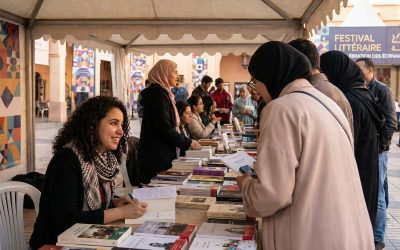
Ethiopian literature has gained significant traction in global markets, with books being translated into multiple languages and featured in prestigious literary festivals. Authors like Dinaw Mengestu and Maaza Mengiste have received accolades from international literary organizations, helping to elevate African literature on the world stage.
By addressing universal themes through distinctly Ethiopian lenses, these authors are fostering cross-cultural understanding and challenging stereotypes about Africa. Their works invite readers to see Ethiopia not just as a historical and cultural powerhouse but also as a vibrant contributor to contemporary global discourse.
Challenges in Promoting Ethiopian Literature
Despite their growing influence, Ethiopian authors face challenges such as limited access to publishing opportunities and the dominance of English in global literary markets. Many writers struggle to find platforms that amplify their voices, particularly those writing in Amharic and other local languages. The lack of literary infrastructure, such as publishing houses and bookstores, also hampers the growth of Ethiopia’s literary scene.
Strategies for Supporting Ethiopian Writers
To nurture Ethiopian literature, investments in publishing infrastructure and translation services are essential. Initiatives that promote local languages while also facilitating global accessibility through translations can help bridge the gap. Supporting literary festivals and workshops will create spaces for writers to collaborate and gain visibility. Encouraging diaspora involvement can further expand the reach of Ethiopian literature by leveraging international networks.
The Future of Ethiopian Literature
The future of Ethiopian literature is bright, with a new generation of writers embracing diverse storytelling techniques and themes. As global interest in African literature continues to grow, Ethiopian authors are well-positioned to shape narratives that inspire and inform. By addressing contemporary issues through the lens of Ethiopia’s rich heritage, these writers are redefining what it means to tell African stories in the modern era.
Conclusion: Stories That Transcend Borders
Ethiopian authors are transforming African literature by creating narratives that are deeply rooted in their heritage yet universally relevant. Their contributions not only enrich the global literary landscape but also challenge perceptions about Ethiopia and Africa. With continued support and recognition, Ethiopian literature will continue to flourish, leaving a lasting impact on readers worldwide.
 WhatsApp for a Google-Ready Website