Chad’s rich cultural heritage is a testament to the diversity and resilience of its people. Literature plays a vital role in preserving and promoting this heritage, offering a medium through which history, traditions, and values are passed down to future generations. This article explores how Chadian literature captures the essence of the nation’s identity, the challenges it faces, and its potential to contribute to cultural preservation.
Chadian Literature: A Mirror of Heritage
Chadian literature reflects the country’s vibrant history and diverse cultures, encompassing over 200 ethnic groups. Through storytelling, poetry, and prose, writers have chronicled the struggles, triumphs, and aspirations of their communities. Literary works often draw from oral traditions, integrating folklore, proverbs, and local dialects to create narratives that resonate with readers.
Prominent authors like Joseph Brahim Seid, whose works such as Told by Starlight in Chad delve into the complexities of Chadian society, have contributed significantly to this literary tradition. Seid’s writings highlight themes of identity, community, and the interplay between tradition and modernity.
Themes in Chadian Literature
Chadian literature often explores themes central to the nation’s identity, such as resilience in the face of adversity, the importance of communal values, and the relationship between humans and nature. Writers also address contemporary issues like political instability, social inequality, and the effects of globalization on traditional ways of life. These themes not only preserve Chad’s cultural heritage but also provide insights into the challenges and opportunities facing its people.
The Role of Oral Traditions
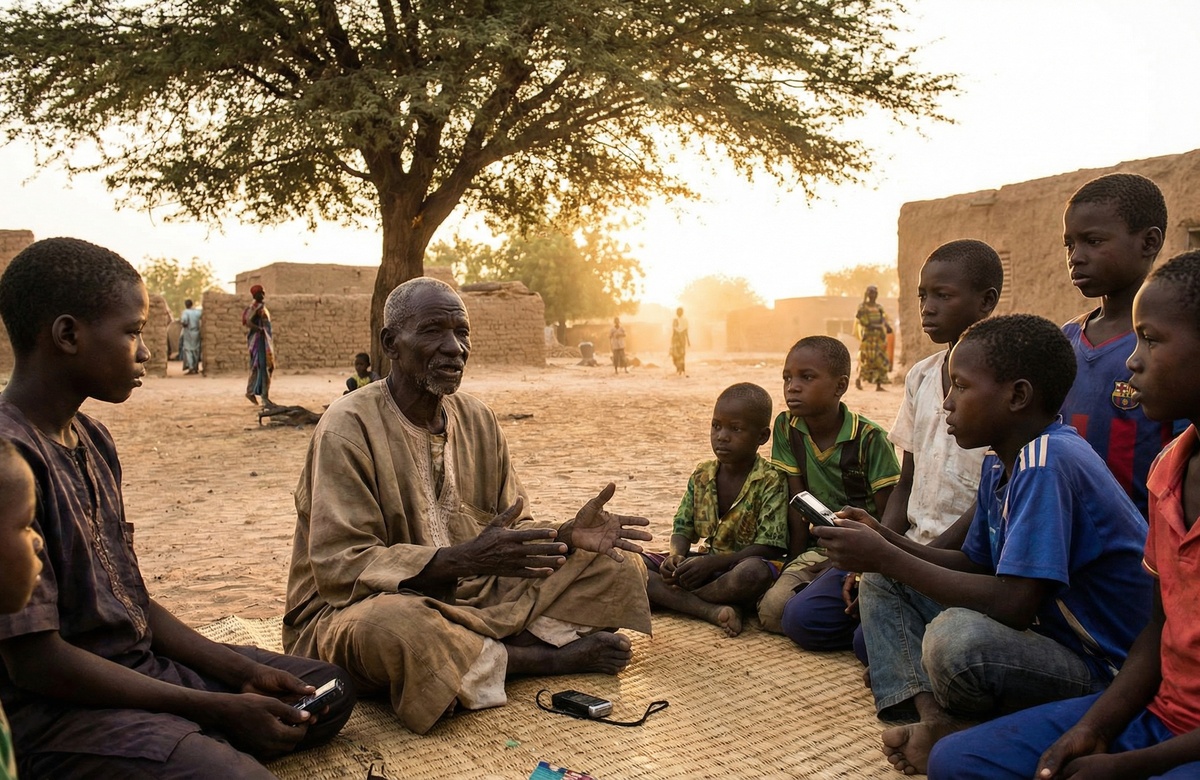
Oral traditions form the backbone of Chadian literature. Storytelling, a communal activity passed down through generations, serves as both entertainment and a means of education. Tales of legendary figures, historical events, and moral lessons are shared through oral narratives, preserving the cultural fabric of communities.
Authors and poets often incorporate elements of these oral traditions into their works, bridging the gap between the past and present. By doing so, they ensure that the wisdom and values of their ancestors remain relevant in today’s rapidly changing world.
Challenges Facing Chadian Literature
Despite its importance, Chadian literature faces significant challenges. Limited access to publishing resources and infrastructure hampers the ability of writers to share their work widely. Additionally, the dominance of foreign languages, such as French, over indigenous languages in written literature creates barriers to inclusivity. Many Chadian stories risk being lost as younger generations gravitate toward digital entertainment and globalized media.
Strategies for Preserving and Promoting Literature
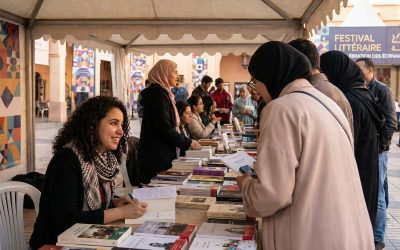
To safeguard Chadian literature and its role in cultural preservation, several strategies must be implemented. Encouraging the use of local languages in written works can ensure greater inclusivity and accessibility. Establishing literary festivals and workshops can provide platforms for writers to showcase their talent and connect with audiences.
Investments in digital technology can also play a transformative role. Creating online archives and digital libraries of Chadian literary works can preserve them for future generations while expanding their reach. Partnerships between local governments, educational institutions, and international organizations can support initiatives that promote literacy and storytelling.
The Global Significance of Chadian Literature
Chadian literature not only preserves the nation’s heritage but also contributes to the global understanding of African cultures. By sharing their stories with international audiences, Chadian writers challenge stereotypes and highlight the richness of their cultural identity. Literature serves as a bridge, fostering cross-cultural dialogue and appreciation.
The Future of Chadian Literature
The future of Chadian literature lies in its ability to adapt and innovate while staying true to its roots. By embracing new technologies, supporting emerging writers, and celebrating the nation’s linguistic and cultural diversity, Chad can ensure that its literary heritage continues to thrive. As a repository of the nation’s history and values, literature will remain a powerful tool for preserving Chad’s identity in an increasingly globalized world.
Conclusion: Stories That Define a Nation
Literature is more than an art form; it is a vessel for preserving the soul of a nation. For Chad, it serves as a record of its cultural heritage, a reflection of its identity, and a source of inspiration for its people. By nurturing its literary tradition, Chad can honor its past, celebrate its present, and inspire its future.
 WhatsApp for a Google-Ready Website