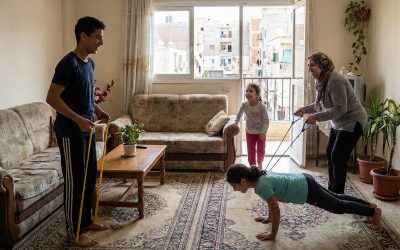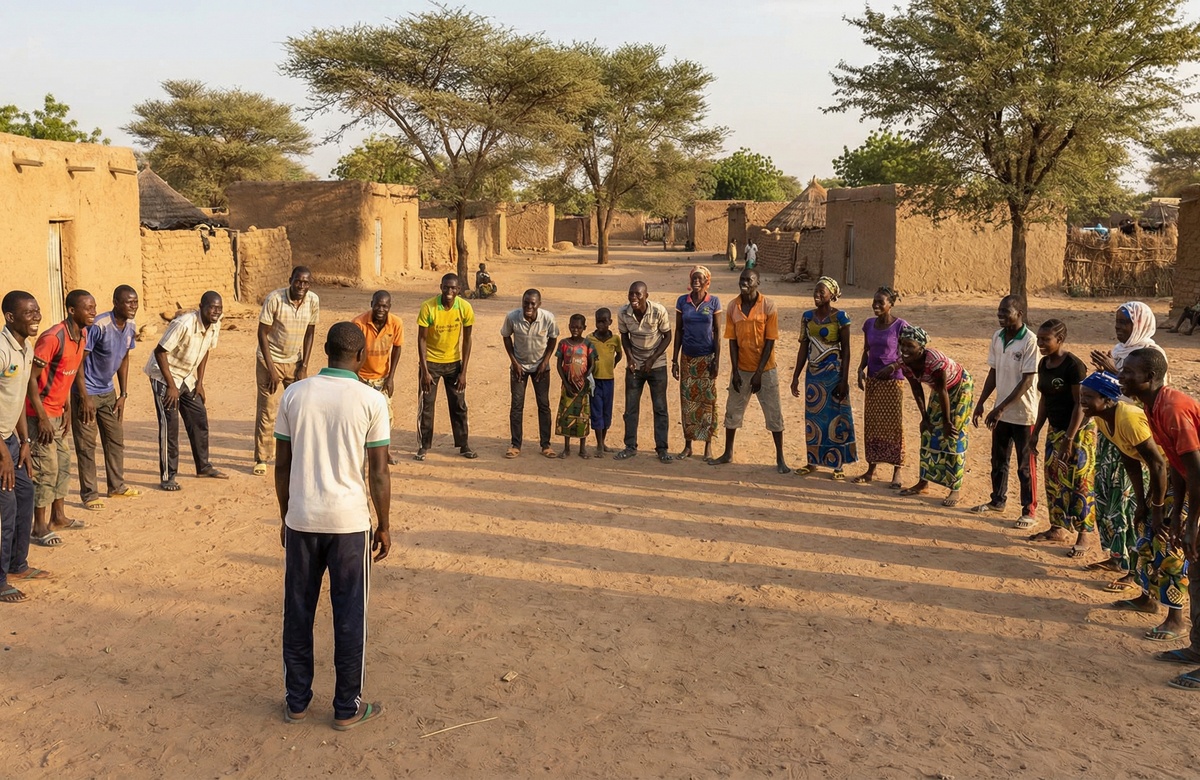
In rural Chad, where access to healthcare and wellness resources is limited, community fitness programs are emerging as a powerful tool for improving health and fostering social cohesion. These initiatives provide opportunities for physical activity while addressing broader issues such as chronic disease prevention, mental well-being, and community development. This article explores the impact of community fitness programs in rural Chad and highlights successful initiatives making a difference.
The Importance of Fitness in Rural Communities
Physical activity is essential for maintaining health and preventing diseases such as diabetes, hypertension, and obesity. However, in rural Chad, where many people rely on physically demanding agricultural work, formal fitness programs are often overlooked. Structured fitness activities go beyond individual health benefits, creating spaces for community engagement, education, and empowerment.
In regions where healthcare access is scarce, fitness programs can play a preventive role by reducing the risk of chronic illnesses and encouraging healthier lifestyles. These programs also help address mental health challenges by providing a sense of purpose, reducing stress, and fostering social connections.
Notable Community Fitness Programs in Chad
Fit for Life Initiative
One of the most impactful programs is the Fit for Life Initiative, which promotes group exercise sessions in rural communities. These sessions include aerobics, dance classes, and traditional sports, attracting participants of all ages. The program’s inclusive approach encourages women, youth, and the elderly to take part, fostering a sense of unity and shared purpose.
Village Walks for Wellness
In partnership with local NGOs, the Village Walks for Wellness program organizes weekly walks in rural areas. These walks not only promote physical fitness but also provide a platform for discussing health education topics, such as nutrition and hygiene. Participants report feeling more energetic and connected to their communities.
Rural Sports Leagues
Sports leagues in rural Chad focus on traditional games like kadi kadi (a form of dodgeball) and soccer, which are culturally significant and widely enjoyed. These leagues bring communities together, creating opportunities for physical activity while celebrating local traditions.
Challenges Facing Fitness Programs in Rural Chad
Despite their benefits, community fitness programs face several challenges. Limited funding and resources often restrict the scale and sustainability of these initiatives. Access to equipment, such as soccer balls or exercise mats, is a common hurdle. Additionally, cultural barriers, such as perceptions about women participating in fitness activities, can limit inclusivity.
Another significant challenge is the lack of trained fitness instructors in rural areas. Most programs rely on volunteers, who may lack the expertise needed to design and lead effective fitness routines.
Strategies for Expanding Fitness Programs
To overcome these challenges, partnerships between local communities, government agencies, and international organizations are essential. Funding from health-focused NGOs can support the purchase of equipment and training for instructors. Incorporating fitness activities into existing community structures, such as schools and health clinics, can increase participation and sustainability.
Cultural sensitivity is crucial when designing fitness programs. Engaging community leaders and incorporating traditional games and activities ensures that programs resonate with local populations. Promoting the benefits of fitness for all demographics, including women and the elderly, can help break down cultural barriers.
The Broader Impact of Fitness Programs
Community fitness programs in rural Chad have far-reaching benefits beyond physical health. By bringing people together, they strengthen social bonds and foster a sense of belonging. These programs also empower participants by providing knowledge about health and wellness, enabling them to take control of their well-being.
Fitness activities create positive role models, particularly for young people, inspiring them to prioritize health and contribute to community development. Over time, the ripple effects of these programs can lead to healthier, more resilient communities.
Conclusion: A Pathway to Health and Unity
Community fitness programs in rural Chad are more than just opportunities for exercise; they are catalysts for change. By addressing health challenges, fostering social connections, and celebrating cultural traditions, these initiatives are transforming lives and strengthening communities. With continued support and innovation, fitness programs can play a central role in building a healthier and more united Chad.
 WhatsApp for a Google-Ready Website