Cultural heritage plays a profound role in defining the identities and lifestyles of people across North Africa. As the region embraces modernity, its rich traditions and historical legacy continue to influence contemporary living in subtle yet impactful ways. This article explores how cultural heritage shapes modern lifestyles, its role in fostering identity, and the balance between preserving traditions and embracing progress.
Cultural Heritage as a Pillar of Identity
North Africa is home to a diverse tapestry of cultures, shaped by Arab, Berber, African, and Mediterranean influences. This diversity is reflected in the region’s architecture, cuisine, music, and daily practices. Cultural heritage serves as a unifying force, offering a sense of belonging and continuity amid the rapid changes brought by globalization.
For many North Africans, traditional customs remain integral to daily life. In Morocco, for instance, the art of tea-making is not merely a culinary practice but a ritual that fosters hospitality and social connection. Similarly, Tunisia’s intricate embroidery traditions continue to thrive, blending old techniques with contemporary designs.
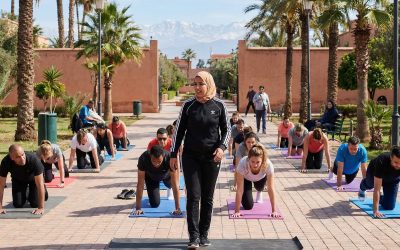
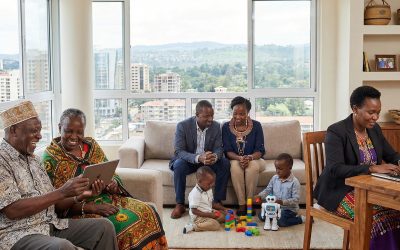
These traditions shape values and behaviors, influencing everything from family dynamics to consumer preferences. As people navigate modern lifestyles, they often draw on cultural heritage to maintain a connection with their roots.
Modern Adaptations of Cultural Practices
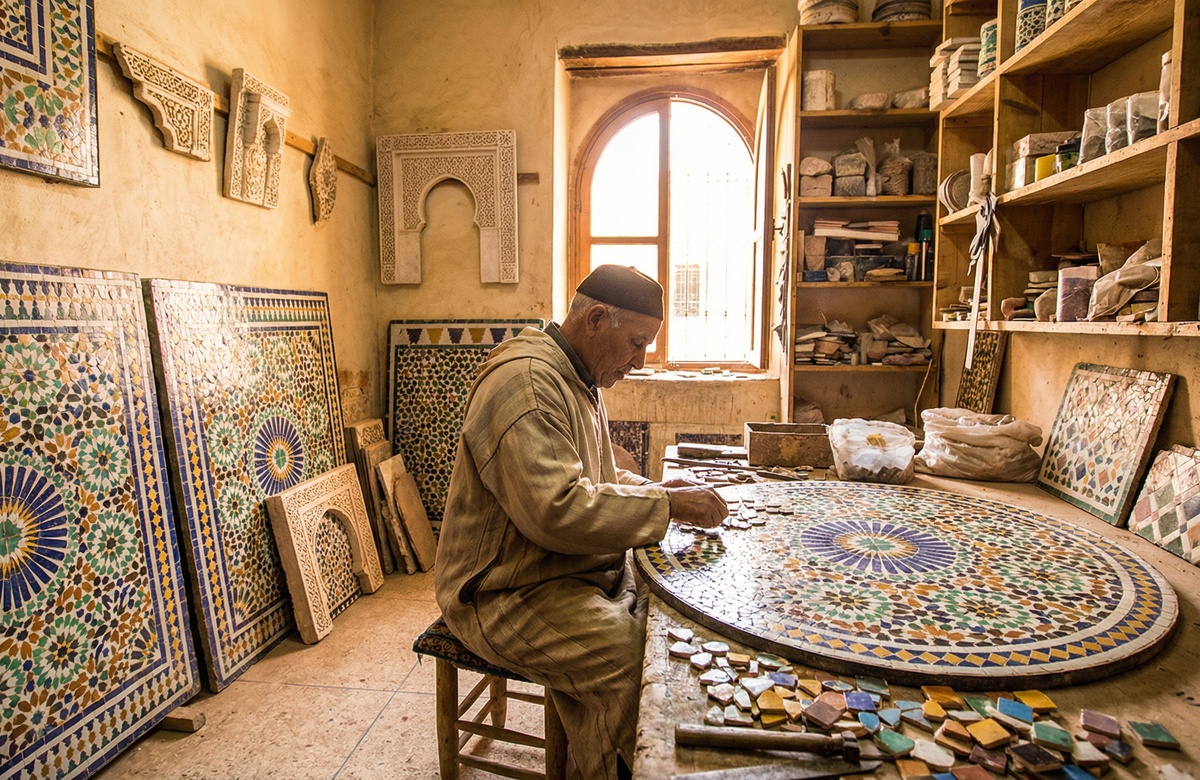
As urbanization and technology reshape North Africa, cultural heritage is evolving to suit modern contexts. Traditional crafts, for example, are finding new expression in contemporary design and fashion. In Algeria, young entrepreneurs are revitalizing the use of local textiles by incorporating them into modern clothing lines, appealing to both domestic and international markets.
Cuisine is another area where heritage and modernity intersect. North African dishes such as couscous, tagine, and harira are being reimagined by chefs who blend traditional recipes with global culinary trends. These adaptations celebrate heritage while catering to changing tastes and lifestyles.
Music and art also demonstrate this fusion. Genres like chaâbi and rai have been modernized with electronic beats, creating a vibrant sound that resonates with younger audiences. In visual arts, traditional motifs are being integrated into contemporary paintings and digital art, ensuring their relevance in the modern world.
Preserving Heritage in a Modern World
Preserving cultural heritage in the face of modernization poses significant challenges. Urbanization, technological advancements, and shifting social norms can sometimes lead to the erosion of traditional practices. However, efforts to safeguard heritage are gaining momentum across the region.
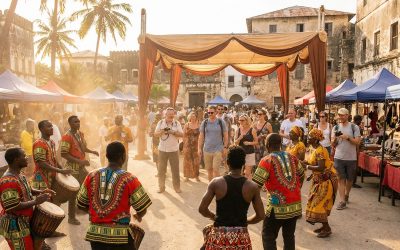
Governments and organizations are investing in heritage preservation through initiatives such as the restoration of historical sites and the promotion of cultural festivals. UNESCO-listed sites like the medinas of Fez and Tunis attract both locals and tourists, highlighting the value of cultural heritage as a driver of identity and economic growth.
Community-driven efforts also play a vital role. Grassroots initiatives that teach traditional crafts, storytelling, and music to younger generations ensure that cultural knowledge is passed down, fostering pride and continuity.
Cultural Heritage and Globalization
Globalization presents both challenges and opportunities for cultural heritage. On one hand, exposure to global influences can dilute traditional practices. On the other, it provides a platform to share and celebrate North African heritage on an international scale. Moroccan argan oil, for instance, has gained worldwide recognition, creating economic opportunities for local communities while promoting traditional harvesting techniques.
Social media and digital platforms further amplify the visibility of cultural heritage. Artists, artisans, and cultural advocates use these tools to showcase their work, connect with global audiences, and market heritage-inspired products.
The Way Forward
Balancing cultural preservation with modernization requires a collaborative approach. Governments, businesses, and communities must work together to promote sustainable practices that honor traditions while embracing progress. Educational programs can instill pride in cultural heritage among younger generations, ensuring its survival in the modern era.
By integrating heritage into contemporary lifestyles, North Africans can preserve their rich traditions while adapting to the demands of a globalized world. This harmony between past and present not only strengthens identity but also enriches the region’s cultural and economic landscape.
 WhatsApp for a Google-Ready Website