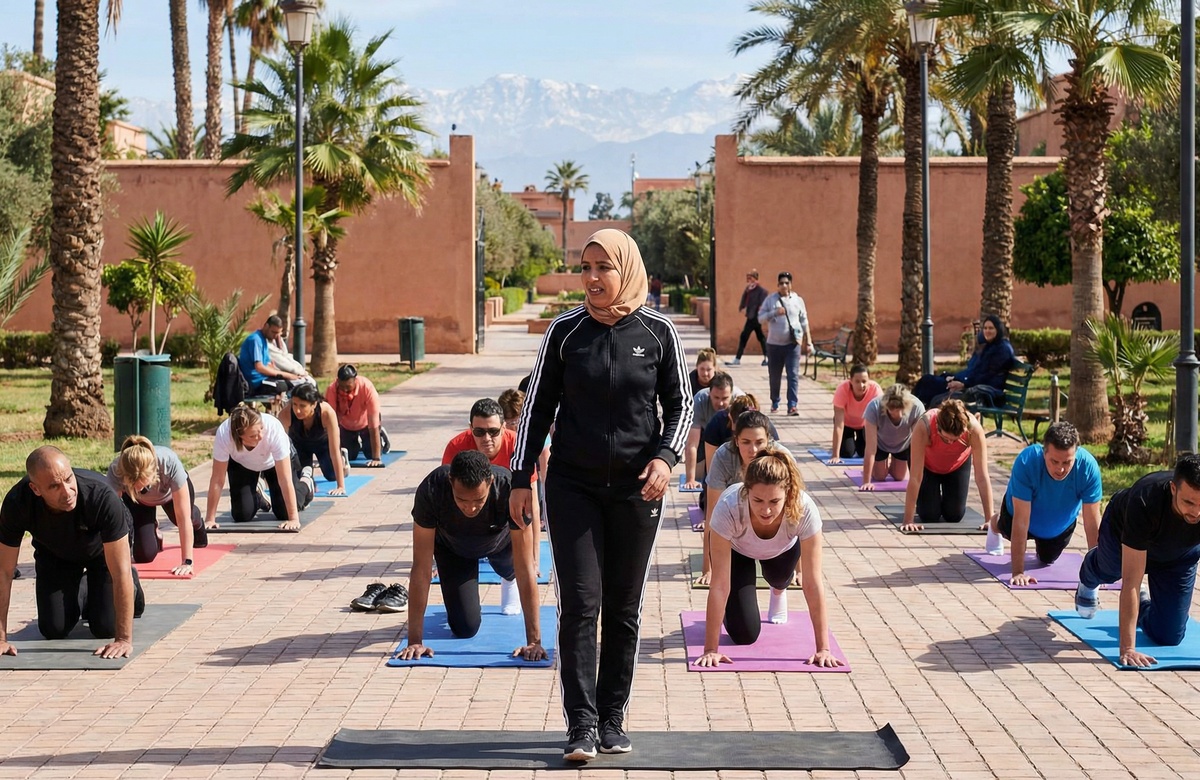
Fitness culture is gaining momentum in Morocco, transforming from a niche activity to a mainstream lifestyle trend. As awareness about health and wellness grows, more Moroccans are adopting fitness routines, joining gyms, and participating in wellness-focused activities. This shift is not only improving public health but also creating economic opportunities in the fitness industry. This article examines the factors driving the rise of fitness culture in Morocco, its impact on society, and the potential for future growth.
The Growing Popularity of Fitness in Morocco
In recent years, Morocco has seen a surge in fitness-related activities. Gyms, yoga studios, and wellness centers are springing up in cities like Casablanca, Rabat, and Marrakech, catering to a diverse clientele. Fitness has become a social activity, with group classes, outdoor workouts, and marathons attracting participants from various age groups and backgrounds.
Social media has played a significant role in popularizing fitness culture. Influencers and fitness professionals use platforms like Instagram and TikTok to share workout routines, healthy eating tips, and motivational content. This visibility has inspired many Moroccans to prioritize their health and embrace active lifestyles.
Economic Opportunities in the Fitness Industry
The rise of fitness culture has created a thriving market for fitness-related businesses. Gyms and fitness centers are expanding rapidly, offering state-of-the-art equipment, personal training services, and specialized classes such as Zumba, Pilates, and CrossFit. Premium facilities, like the “City Club” chain, have become popular among urban residents seeking high-quality fitness experiences.
Entrepreneurship in the fitness sector is also flourishing. Personal trainers, yoga instructors, and wellness coaches are building careers by offering in-person and online services. Additionally, local brands are capitalizing on the trend by producing activewear, nutritional supplements, and fitness equipment tailored to Moroccan consumers.
Fitness tourism is another emerging opportunity. Wellness retreats and adventure sports packages, particularly in scenic locations like the Atlas Mountains and coastal areas, are attracting both domestic and international visitors. These offerings highlight Morocco’s potential to position itself as a wellness destination.
Health Benefits and Social Impact
The growing emphasis on fitness is contributing to better health outcomes in Morocco. Regular physical activity reduces the risk of chronic diseases such as diabetes, obesity, and cardiovascular issues, which are on the rise in the region. Fitness culture also promotes mental well-being, with activities like yoga and meditation helping individuals manage stress and improve focus.
On a societal level, fitness culture fosters a sense of community. Group activities, whether in gyms or outdoor spaces, bring people together, promoting social interactions and inclusivity. This communal aspect of fitness is particularly appealing in Morocco’s close-knit society.
Challenges to Expanding Fitness Culture
Despite its growth, fitness culture in Morocco faces several challenges. The high cost of gym memberships and fitness classes makes these services inaccessible to many, particularly in rural areas and low-income communities. Limited public spaces for outdoor exercise further restrict opportunities for physical activity.
Cultural perceptions also play a role. While attitudes toward fitness are evolving, some conservative segments of society still view gyms and fitness centers as unnecessary or inappropriate, particularly for women. Addressing these cultural barriers requires targeted awareness campaigns that highlight the benefits of fitness for all demographics.
The Future of Fitness in Morocco
The fitness industry in Morocco has significant potential for growth. To expand access, governments and private organizations can invest in public fitness infrastructure, such as parks, running tracks, and community centers. Initiatives like subsidized gym memberships or free outdoor fitness classes can encourage wider participation.
Technology will also play a key role in the future of fitness. Mobile apps and virtual workout platforms can make fitness routines accessible to those unable to attend gyms or classes in person. Collaborations between fitness professionals and tech startups can create innovative solutions tailored to Moroccan consumers.
As fitness becomes increasingly integrated into daily life, Morocco has the opportunity to lead by example in promoting health and wellness. By fostering an inclusive and accessible fitness culture, the country can improve public health, strengthen communities, and stimulate economic development.
 WhatsApp for a Google-Ready Website