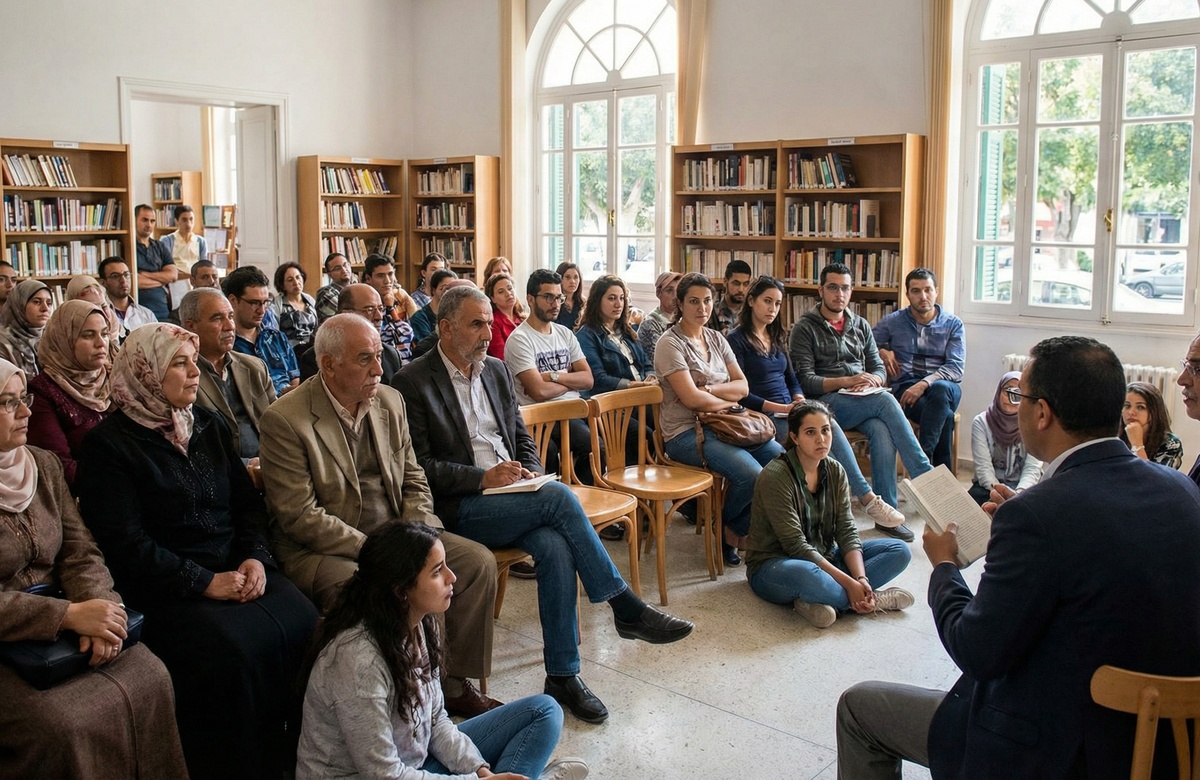
Literature has long been a powerful tool for driving social change, shaping public opinion, and reflecting societal realities. In North Africa, authors use their voices to address critical issues, preserve cultural identities, and inspire progress. This article explores how literature acts as a catalyst for social change in the region, highlighting its impact on key movements and the unique role of writers in fostering dialogue and understanding.
Addressing Social and Political Issues
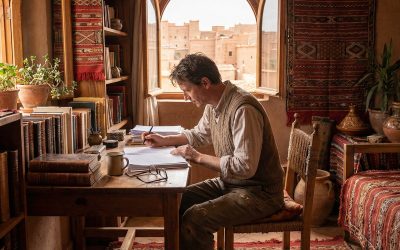
North African literature often serves as a mirror to society, shedding light on pressing social and political issues. Writers tackle topics such as inequality, corruption, gender roles, and identity, encouraging readers to reflect on their own experiences and societal norms. For example, the works of Algerian novelist Assia Djebar explore themes of women’s rights and the impact of colonialism, sparking critical discussions about liberation and empowerment.
In Egypt, novels like The Yacoubian Building by Alaa Al-Aswany offer a vivid portrayal of class disparities and political corruption, challenging readers to confront uncomfortable truths about societal structures. These stories not only document realities but also inspire activism and reform.
Preserving Cultural Identity
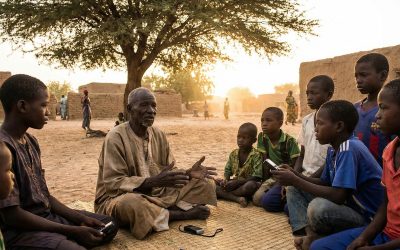
Literature plays a vital role in preserving North Africa’s diverse cultural heritage. Authors incorporate local languages, traditions, and folklore into their works, ensuring that these elements remain vibrant in a rapidly changing world. Moroccan writer Mohamed Choukri’s For Bread Alone offers a raw, autobiographical account of life in Tangier, capturing the struggles and resilience of the working class.
Berber literature, often written in Tamazight, celebrates the region’s indigenous culture and history. By bringing marginalized voices to the forefront, these works foster pride in local identities and challenge dominant narratives.
Fostering Intercultural Dialogue
North African literature transcends borders, connecting readers from different backgrounds and promoting intercultural understanding. Translated works allow global audiences to engage with North African perspectives, breaking down stereotypes and building empathy. For instance, the poetry of Tunisian writer Abdelwahab Meddeb bridges Islamic and Western philosophies, encouraging dialogue between cultures.
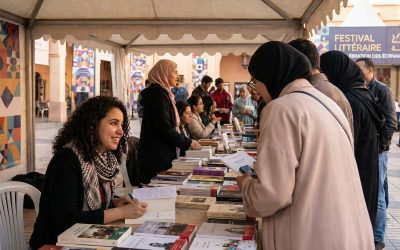
Regional literary festivals, such as the International Book Fair in Algiers and the Cairo International Book Fair, provide platforms for authors and readers to exchange ideas, further strengthening cultural ties.
Empowering Marginalized Voices
Literature gives a platform to voices that are often underrepresented in mainstream discourse. Women writers, in particular, have used their works to challenge patriarchal norms and advocate for gender equality. Tunisian author Fawzia Zouari and Moroccan writer Leila Abouzeid explore themes of feminism and identity, highlighting the complexities of women’s lives in North African societies.
Young writers are also reshaping the literary landscape by addressing contemporary issues such as climate change, migration, and digital transformation. Their works resonate with a new generation of readers, fostering awareness and action.
Challenges and Opportunities
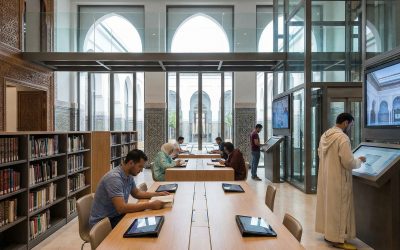
Despite its transformative potential, literature in North Africa faces challenges, including limited access to books, censorship, and a lack of funding for writers. Addressing these barriers requires investment in libraries, translation initiatives, and publishing infrastructure.
Digital platforms offer new opportunities for writers to reach audiences. E-books, audiobooks, and online literary communities expand access to literature, especially for readers in remote areas. By embracing technology, North African writers can amplify their impact and connect with a global audience.
The Enduring Power of Literature
Literature is more than an art form—it is a vehicle for change, dialogue, and understanding. In North Africa, writers continue to use their craft to challenge norms, preserve identities, and inspire progress. By supporting literary initiatives and fostering a culture of reading, societies can harness the power of literature to create a more equitable and inclusive future.
 WhatsApp for a Google-Ready Website