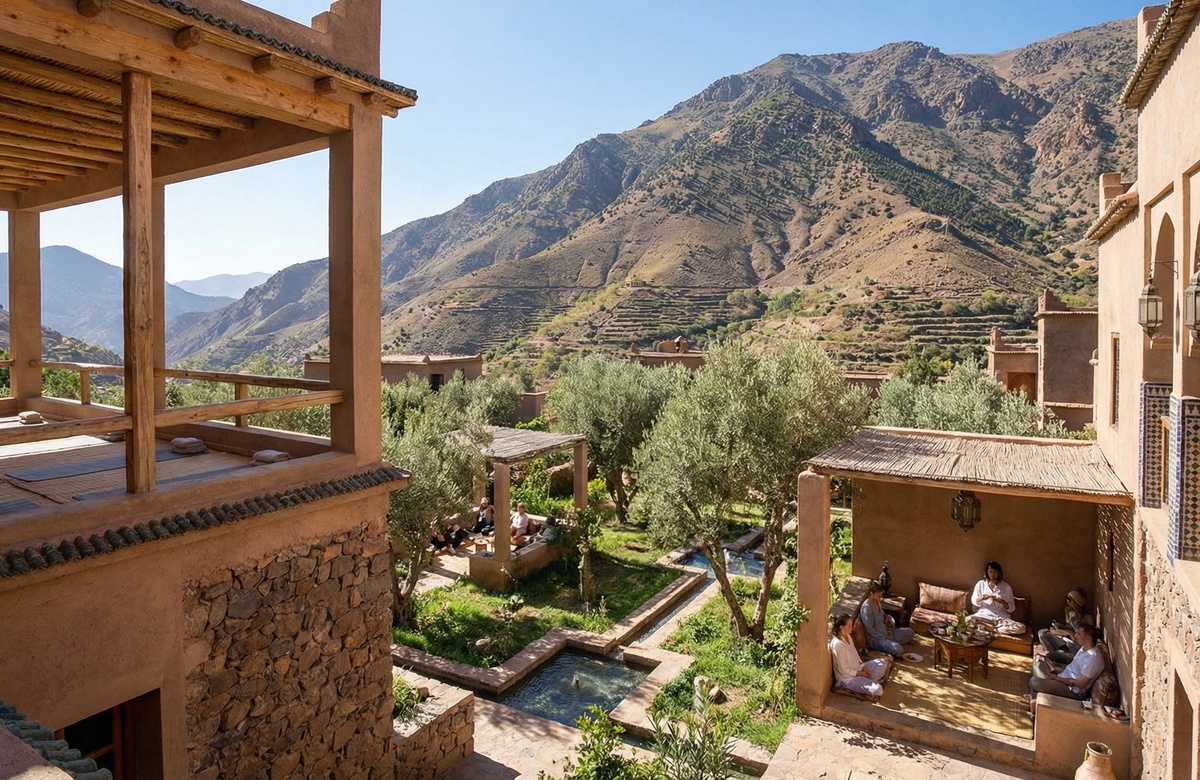
Wellness culture is rapidly gaining traction in North Africa, transforming how people approach health, fitness, and overall well-being. Driven by rising awareness of the benefits of a balanced lifestyle, more individuals are prioritizing physical activity, nutrition, and mental health. This shift is fostering a growing demand for wellness-related products, services, and spaces, creating new opportunities in the region. This article explores the rise of wellness culture in North Africa, its driving factors, and its impact on society and the economy.
Understanding Wellness Culture
Wellness culture encompasses practices that promote physical, mental, and emotional well-being. It emphasizes preventive healthcare, holistic living, and self-care. In North Africa, this trend manifests through activities such as yoga, gym workouts, and mindfulness exercises, as well as a greater focus on nutrition and natural remedies.
The wellness movement reflects a shift in mindset, with individuals moving beyond reactive healthcare to adopt proactive approaches that enhance quality of life.
Factors Driving the Rise of Wellness Culture
1. Urbanization and Lifestyle Changes
As urban areas expand, lifestyles in North Africa are becoming more sedentary. This has led to a rise in lifestyle-related health issues such as obesity, diabetes, and cardiovascular diseases. Wellness culture addresses these challenges by encouraging healthier habits and providing accessible fitness options.
2. Social Media Influence
Platforms like Instagram and TikTok play a pivotal role in promoting wellness trends. Influencers share workout routines, healthy recipes, and self-care tips, inspiring followers to adopt similar practices. Social media also creates communities that support wellness journeys, fostering a sense of accountability and motivation.
3. Economic Growth and Rising Disposable Income
Improved economic conditions in many parts of North Africa have increased disposable incomes, enabling more people to invest in wellness activities and products. This includes gym memberships, fitness equipment, organic foods, and wellness retreats.
4. Cultural Shifts Toward Self-Care
Traditional attitudes that often undervalued self-care are evolving. There is growing recognition of the importance of mental health and work-life balance, driving individuals to prioritize activities that promote well-being.
The Economic Impact of Wellness Culture
The wellness movement is not only improving public health but also creating economic opportunities. The rise of gyms, fitness studios, and wellness centers has generated jobs and stimulated local economies. Entrepreneurs are capitalizing on the demand for healthy products, such as organic foods, herbal teas, and natural skincare items.
Wellness tourism is another emerging trend. Morocco’s spa resorts, yoga retreats in Tunisia, and desert wellness camps in Algeria attract both domestic and international visitors, showcasing the region’s potential as a wellness destination.
Challenges and Opportunities
Despite its growth, the wellness industry in North Africa faces challenges such as limited access to fitness facilities in rural areas and cultural barriers that may discourage certain demographics, particularly women, from participating in wellness activities. Addressing these challenges requires inclusive initiatives, public awareness campaigns, and community-based programs.
Opportunities abound in the digital realm, with fitness apps, virtual workout sessions, and telehealth services bridging gaps in accessibility. Governments and private sectors can further support the movement by investing in public wellness infrastructure, such as parks and sports facilities, and promoting policies that encourage healthy living.
The Future of Wellness Culture in North Africa
Wellness culture in North Africa is poised for continued growth as awareness spreads and demand increases. By embracing this trend, individuals can improve their quality of life, businesses can tap into new markets, and governments can reduce healthcare costs through preventive measures.
The rise of wellness culture is more than a fleeting trend—it represents a fundamental shift toward healthier, happier, and more balanced living. As North Africa continues to evolve, wellness will remain a cornerstone of its social and economic development.
 WhatsApp for a Google-Ready Website