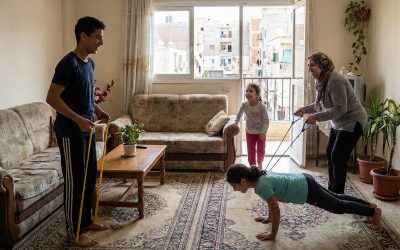
Community fitness initiatives are transforming how people in North Africa approach health and wellness, fostering inclusivity, improving public health, and creating spaces for social connection. From group exercise programs to accessible outdoor gyms, these initiatives bring fitness to underserved areas and promote active lifestyles. This article explores the impact of community fitness initiatives in North Africa and highlights successful examples that inspire change.
The Role of Community Fitness
Community fitness initiatives address barriers to health and wellness by providing affordable and accessible opportunities for physical activity. They target diverse demographics, including youth, women, and the elderly, ensuring that everyone has the chance to benefit from regular exercise.
In North Africa, where urbanization and sedentary lifestyles contribute to rising health concerns, these programs are essential for combating non-communicable diseases such as diabetes and hypertension. They also foster social cohesion by bringing people together in a shared pursuit of well-being.
Successful Community Fitness Programs
1. Outdoor Fitness Parks in Tunisia
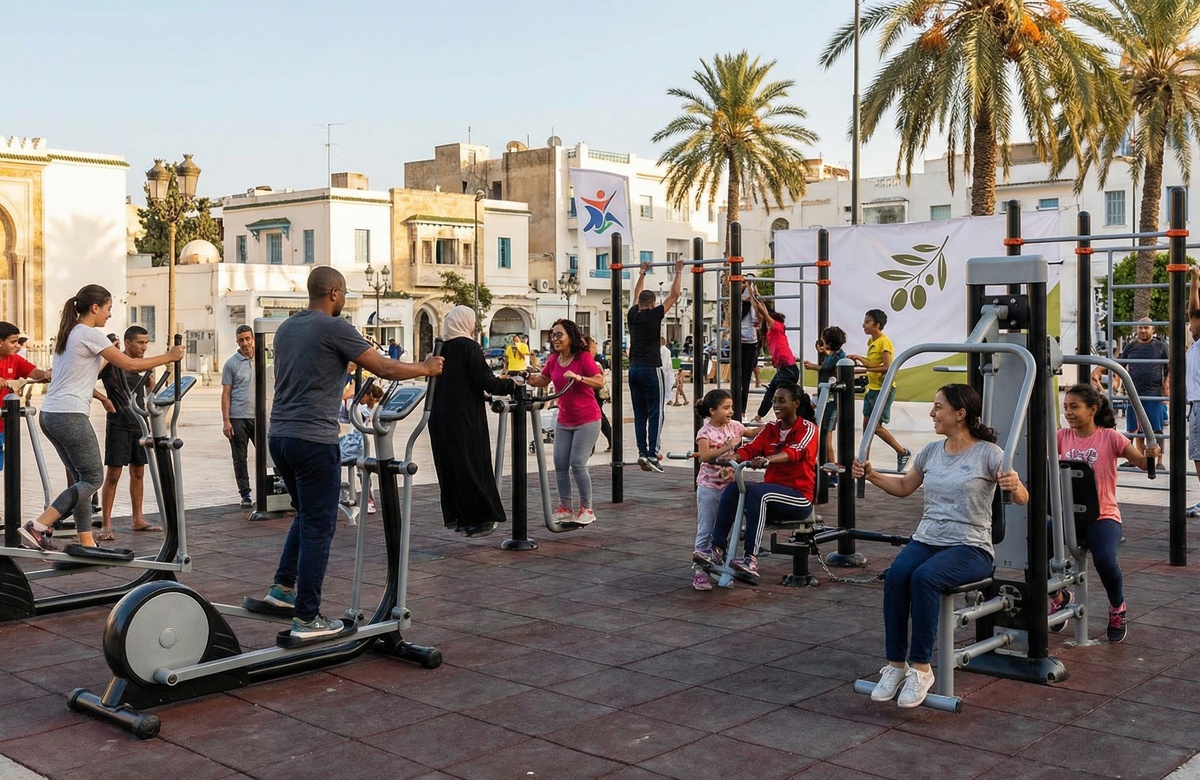
Public fitness parks in cities like Tunis and Sousse offer free access to exercise equipment, making fitness accessible to people of all ages and income levels. These parks also serve as hubs for group workouts, creating a supportive community environment.
2. Women-Only Fitness Classes in Morocco
In response to cultural norms and gender-specific needs, several Moroccan cities have launched women-only fitness programs. These classes, held in community centers and schools, encourage participation among women who may otherwise face barriers to joining mixed-gender gyms.
3. Youth Sports Camps in Algeria
Algerian community organizations run sports camps that engage young people in activities like soccer, basketball, and track and field. These programs promote physical health, instill teamwork values, and provide constructive alternatives to sedentary or risky behaviors.
4. Wellness Walks in Egypt
Walking groups have gained popularity in Egyptian cities, encouraging residents to explore local neighborhoods and parks while staying active. These initiatives often partner with health professionals to offer advice on nutrition and fitness.
Challenges Facing Community Fitness Initiatives
Despite their benefits, community fitness programs in North Africa face challenges such as limited funding, inadequate infrastructure, and cultural resistance. In rural areas, a lack of facilities and awareness can hinder participation. Additionally, maintaining consistent attendance and program sustainability requires ongoing community engagement and support.
Strategies for Expanding Impact
To enhance the reach and impact of community fitness initiatives, stakeholders can adopt the following strategies:
Collaborate with Local Governments: Partnering with municipalities can secure funding and infrastructure for public fitness programs.
Engage Corporate Sponsors: Businesses can support initiatives through sponsorships, providing financial resources and equipment.
Promote Awareness Campaigns: Educating communities about the benefits of fitness encourages participation and addresses cultural resistance.
Leverage Technology: Digital platforms can expand program accessibility through virtual workouts, fitness challenges, and health tracking tools.
The Broader Impact of Community Fitness
Community fitness initiatives contribute to more than just physical health. They enhance mental well-being, reduce healthcare costs, and strengthen social bonds. By fostering a culture of active living, these programs create healthier and more resilient communities.
For North Africa, investing in community fitness is an investment in the region’s future. These initiatives not only improve individual lives but also build stronger, more connected societies that value health and well-being.
 WhatsApp for a Google-Ready Website