Mimosa Mine’s collaboration with Rockwell Automation and Mine Elect shows that connected operational technology has turned cybersecurity into a production and resilience issue.
Mimosa Mine’s cybersecurity and modernisation project in Zimbabwe shows how quickly the definition of mining infrastructure is changing. A mine still depends on shafts, processing plants, conveyors, power and heavy equipment, but increasingly those physical systems are controlled by software, sensors and connected operational-technology networks. Protecting the network is therefore becoming part of protecting production.
Mimosa, a platinum-group-metals and base-metals operation in Zimbabwe’s Midlands Province, is working with Rockwell Automation and local specialist Mine Elect as part of a multi-year digital migration programme. The project includes operational-technology network upgrades, secure connectivity, cybersecurity risk management and improved visibility across industrial systems.
The distinction between information technology and operational technology is important. IT systems manage functions such as email, finance and office applications. OT systems control physical processes: pumps, crushers, ventilation, motors, instrumentation and plant equipment. A cyber incident in an office network can interrupt administration. A cyber incident in an OT environment can stop production, damage equipment or create a safety risk.
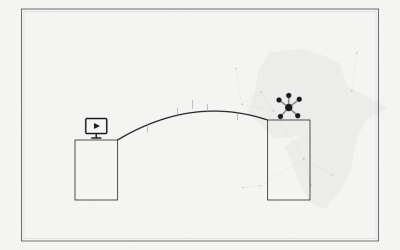
Historically, industrial control systems were relatively isolated. Digitalisation has changed that. Mines connect equipment for remote monitoring, predictive maintenance, production analytics and centralised control. Vendors may require remote access. Data moves from plant systems into corporate platforms. Those connections create productivity gains, but each new connection can also create an attack path if access is not controlled.
This is why segmentation matters. A well-designed industrial network separates critical plant systems from less sensitive networks and limits how traffic moves between them. If one part of the environment is compromised, segmentation can prevent the incident from spreading directly into production systems. Secure remote access, identity controls, monitoring and recovery procedures then add additional layers.
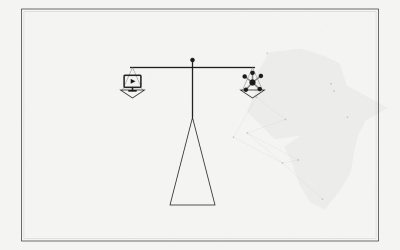
For a mine, cybersecurity also has a financial mechanism. Unplanned downtime is expensive because fixed costs continue while output stops. A processing plant that loses several hours can miss production targets, disrupt downstream logistics and require complex restart procedures. Cybersecurity investment can therefore be evaluated partly as production-risk management rather than simply as an IT expense.
The Mimosa case is also significant because it combines international industrial-automation expertise with local implementation. Mine Elect provides Zimbabwean engineering, delivery and on-site support while Rockwell contributes technology and global experience. That local capability matters because cyber resilience is not installed once and completed. Networks change, equipment is added, threats evolve and staff require continuing support.
Legacy systems remain one of the biggest challenges. Mines often operate equipment for decades, while software and security standards evolve far more quickly. Older control systems may not support modern authentication or encryption. Replacing them can be expensive and operationally disruptive. Cybersecurity programmes therefore need to protect legacy assets while the broader digital migration proceeds in stages.
Human behaviour is another part of the system. Contractors, engineers and operators need access to industrial networks to do their work. Weak passwords, unmanaged laptops, portable storage devices or uncontrolled vendor connections can undermine expensive security equipment. Operational cybersecurity therefore requires governance: who can connect, from where, for how long and with what level of monitoring.
The broader mining sector should read this as an infrastructure issue. African mines are adopting autonomous equipment, cloud analytics, remote operations and digital maintenance systems. Those technologies can improve productivity and safety, but they also increase dependence on network availability and data integrity. A connected mine without a mature cybersecurity architecture can create new operational fragility while trying to become more efficient.
Insurers, lenders and major customers are also likely to increase pressure. Cyber incidents can affect production continuity, environmental controls and supply commitments. Project-finance and insurance assessments therefore increasingly include cyber governance. A mine that cannot demonstrate resilience may face higher risk premiums or stricter requirements from counterparties.
For Zimbabwe, the local capability dimension creates a market beyond Mimosa. Mining is one of the country’s most important industries, and every operation pursuing digital modernisation will need secure industrial networks, monitoring, integration and specialist skills. That creates opportunities for engineers, cybersecurity firms, training providers and technology distributors.
Procurement standards will also matter. Cybersecurity products can become a fragmented collection of tools if mines buy technology without a coherent architecture. The stronger approach is to define the operational risks first, map critical systems and then select controls that reduce those risks. That keeps the programme focused on resilience rather than on the number of security products installed, and makes it easier for management to measure whether exposure is actually declining.
Board oversight should follow the same logic. Cyber risk in a mine is no longer confined to the technology department; it belongs in operational risk, business continuity and capital planning because a control-system failure can affect safety, output and revenue simultaneously.
The decisive lesson from Mimosa is that digital transformation cannot be separated from cyber resilience. Once production depends on connected control systems, cybersecurity becomes as operational as maintenance, power or safety. Mines that modernise the technology without modernising the protection layer are not becoming more advanced; they are becoming more dependent on systems they may not yet be able to defend.