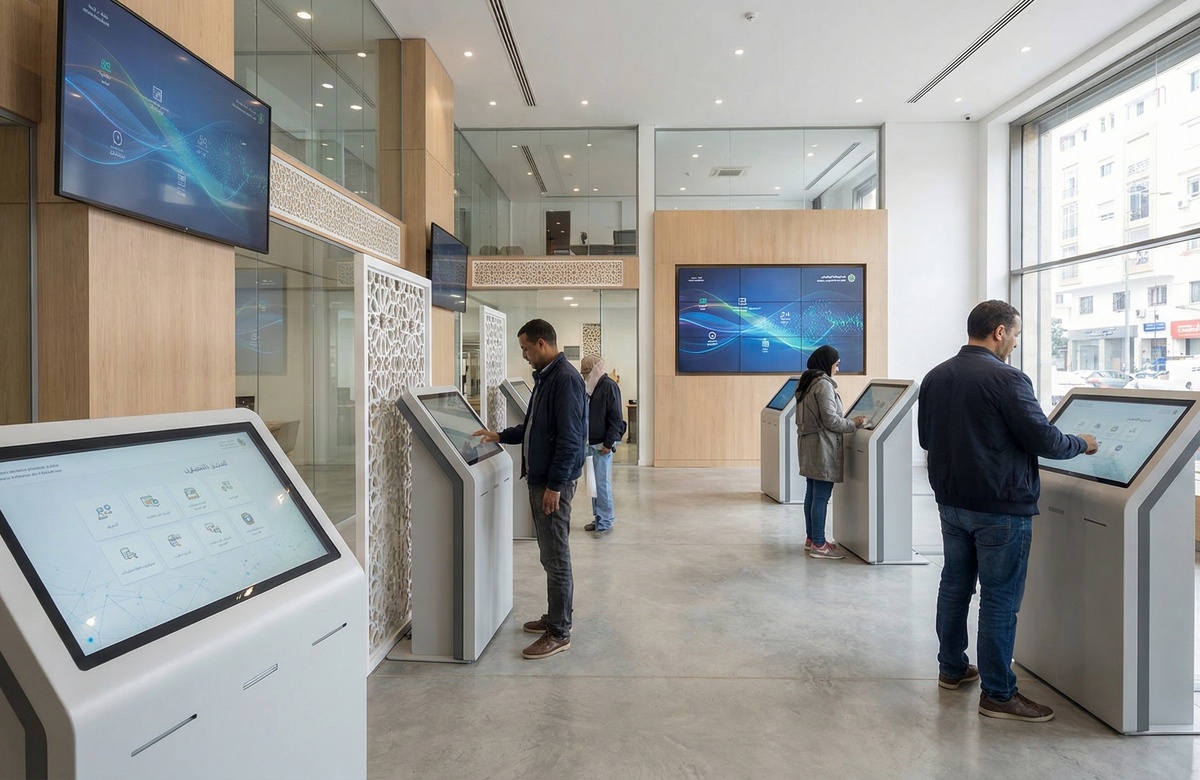
E-governance is transforming public service delivery across the world, and Morocco is emerging as a leader in North Africa. By integrating digital technologies into government operations, Morocco aims to improve efficiency, enhance transparency, and make public services more accessible to its citizens. This article explores the progress, challenges, and potential of e-governance in Morocco as the country moves toward a more digital future.
The Evolution of E-Governance in Morocco
Over the past decade, Morocco has made significant strides in adopting e-governance. Initiatives such as the Digital Morocco Plan (Maroc Digital 2020) have laid the foundation for modernizing public administration through digital transformation. The government has focused on building robust digital infrastructure, introducing online portals, and digitizing key services.
Moroccans can now access a wide range of government services online, from paying taxes to applying for business licenses and accessing healthcare information. These advancements reflect the government’s commitment to leveraging technology to improve citizen engagement and streamline bureaucratic processes.
Key Achievements of E-Governance
One of Morocco’s most notable achievements in e-governance is the launch of Portail National des Services Publics (the National Public Services Portal), which consolidates various government services into a single platform. This portal allows users to access services related to education, health, business, and more, eliminating the need for physical visits to government offices.
In the judicial sector, Morocco has introduced e-justice platforms that enable citizens to track court cases, submit legal documents, and schedule hearings online. These innovations have significantly reduced delays and improved transparency in the judicial process.
The business sector has also benefited from e-governance. The Invest Morocco Portal provides entrepreneurs with digital tools to register businesses, obtain permits, and access investment opportunities. By reducing paperwork and processing times, this platform fosters a more business-friendly environment.
The Impact on Transparency and Accountability
E-governance enhances transparency and accountability by digitizing processes and reducing opportunities for corruption. Online platforms create digital trails for transactions, making it easier to monitor activities and hold public officials accountable. In Morocco, digital tax payment systems have minimized human intervention, reducing the likelihood of fraudulent practices.
Moreover, e-governance empowers citizens to participate in decision-making. Through online platforms, Moroccans can provide feedback on government policies, report issues, and access information about public spending. This increased transparency builds trust between citizens and the government.
Challenges in Implementing E-Governance
Despite its progress, Morocco faces several challenges in fully realizing the potential of e-governance. Digital literacy remains a significant barrier, particularly in rural areas where access to technology and the internet is limited. Many citizens lack the skills needed to navigate online platforms, creating disparities in service accessibility.
Cybersecurity is another critical concern. As government operations move online, ensuring the security of sensitive data and protecting systems from cyberattacks becomes paramount. Morocco must invest in robust cybersecurity measures to safeguard its digital infrastructure.
Additionally, the integration of digital services across various government departments is complex and time-consuming. Fragmented systems and a lack of coordination can hinder the seamless delivery of e-governance services.
The Path Forward
To address these challenges and maximize the benefits of e-governance, Morocco must adopt a holistic approach. Expanding digital literacy programs, particularly in rural communities, will ensure that all citizens can benefit from e-governance. Public-private partnerships can play a key role in developing training initiatives and improving access to technology.
Investing in cybersecurity is equally important. By building secure digital systems and establishing protocols to respond to cyber threats, Morocco can protect its e-governance infrastructure and maintain public trust.
Finally, fostering greater collaboration between government departments will facilitate the integration of digital services. A unified approach to e-governance will enhance efficiency, reduce duplication, and create a more user-friendly experience for citizens.
The Future of E-Governance in Morocco
E-governance has the potential to revolutionize public service delivery in Morocco, making it more efficient, transparent, and inclusive. As the country continues to embrace digital transformation, it sets an example for other nations in North Africa seeking to modernize their governance systems. With sustained investments in technology, infrastructure, and human capital, Morocco can achieve its vision of a digitally empowered society.
 WhatsApp for a Google-Ready Website