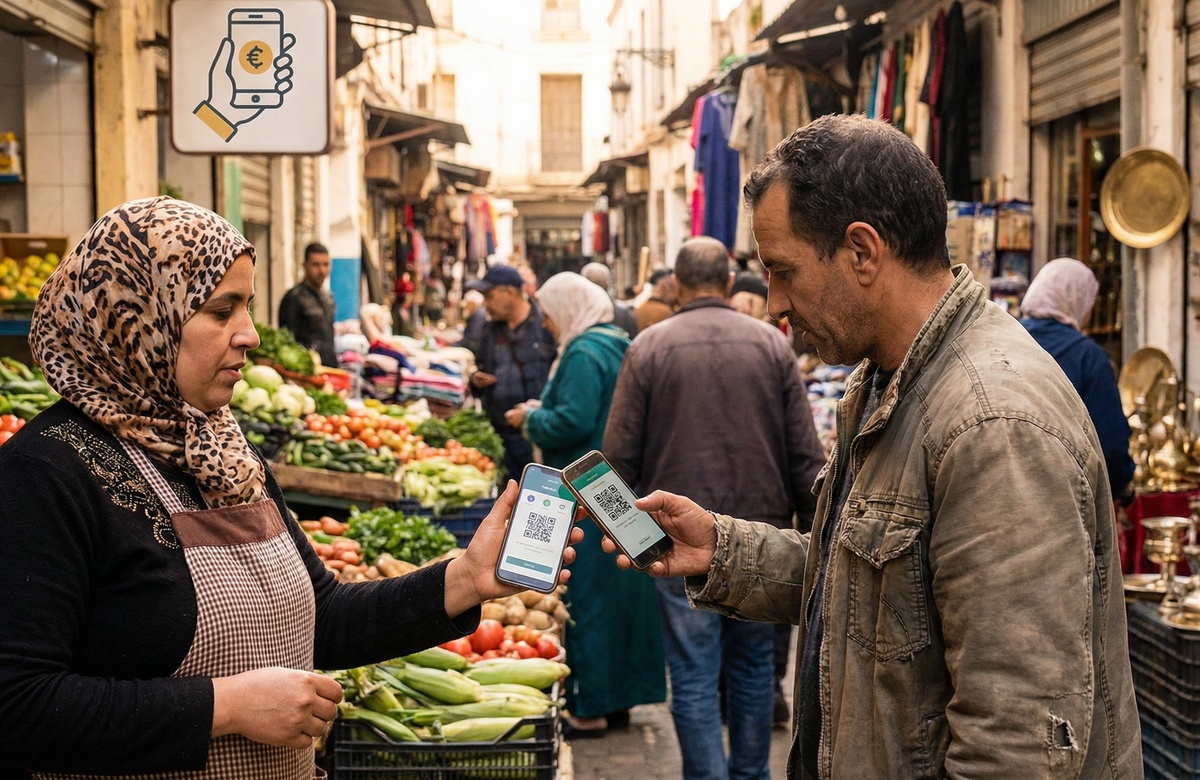
Mobile payments have become a cornerstone of e-commerce in North Africa, enabling seamless and secure transactions for businesses and consumers alike. As the region embraces digital transformation, mobile payment solutions are driving financial inclusion, expanding market access, and fueling the growth of online shopping. This article explores the role of mobile payments in North Africa’s e-commerce landscape, highlighting their benefits, challenges, and future potential.
The Growth of Mobile Payments in North Africa
The rise of mobile payments in North Africa has been driven by increasing smartphone penetration, improving internet connectivity, and the growing demand for digital financial services. Platforms such as Fawry in Egypt, Djezzy Pay in Algeria, and Orange Money in Morocco and Tunisia are leading the way, offering users convenient and secure ways to conduct transactions.
For many North Africans, mobile payments provide an alternative to traditional banking systems, which often exclude rural and low-income populations. By facilitating transactions without the need for bank accounts, mobile payment solutions have democratized access to e-commerce and other digital services.
Benefits of Mobile Payments in E-Commerce
Mobile payments bring numerous advantages to North Africa’s e-commerce ecosystem. They simplify the checkout process, reducing cart abandonment rates and boosting conversion rates for online retailers. With secure payment gateways and encryption technologies, mobile payments enhance consumer confidence, encouraging more people to shop online.
For businesses, mobile payment systems offer greater efficiency and transparency. Automated payment processing reduces manual errors and accelerates cash flow, enabling companies to scale operations. Additionally, mobile payments support cross-border transactions, allowing North African businesses to reach international customers and expand their market reach.
Challenges in Mobile Payment Adoption
Despite their advantages, mobile payment solutions face challenges in North Africa. One major obstacle is the limited financial literacy among some segments of the population, which hinders the adoption of digital payment systems. Many consumers remain reliant on cash, preferring cash-on-delivery options that complicate logistics for e-commerce businesses.
Another challenge is the lack of interoperability between different mobile payment platforms, which creates friction for users and limits scalability. Regulatory hurdles, including inconsistent policies and high transaction fees, also pose barriers to widespread adoption.
Strategies for Enhancing Mobile Payment Adoption
To overcome these challenges, stakeholders can implement several strategies:
Financial Literacy Campaigns: Educating consumers about the benefits and security of mobile payments can build trust and encourage adoption. Workshops, online resources, and community outreach programs can play a pivotal role.
Collaboration Between Providers: Encouraging interoperability between mobile payment platforms can streamline transactions and enhance user convenience, fostering greater integration within the e-commerce ecosystem.
Policy and Regulatory Support: Governments can create favorable policies, such as tax incentives and reduced transaction fees, to promote mobile payment usage and attract private sector investment.
Innovative Technologies: Leveraging artificial intelligence and blockchain can enhance payment security and efficiency, addressing concerns about fraud and data breaches.
The Future of Mobile Payments in North Africa
As digital infrastructure improves and mobile penetration increases, the role of mobile payments in North Africa’s e-commerce sector will continue to grow. Emerging technologies, such as biometric authentication and QR code payments, are expected to make transactions even more seamless and accessible.
The expansion of mobile payment ecosystems will also drive financial inclusion, enabling more North Africans to participate in the digital economy. By addressing challenges and fostering collaboration among stakeholders, the region can unlock the full potential of mobile payments, transforming e-commerce and beyond.
 WhatsApp for a Google-Ready Website