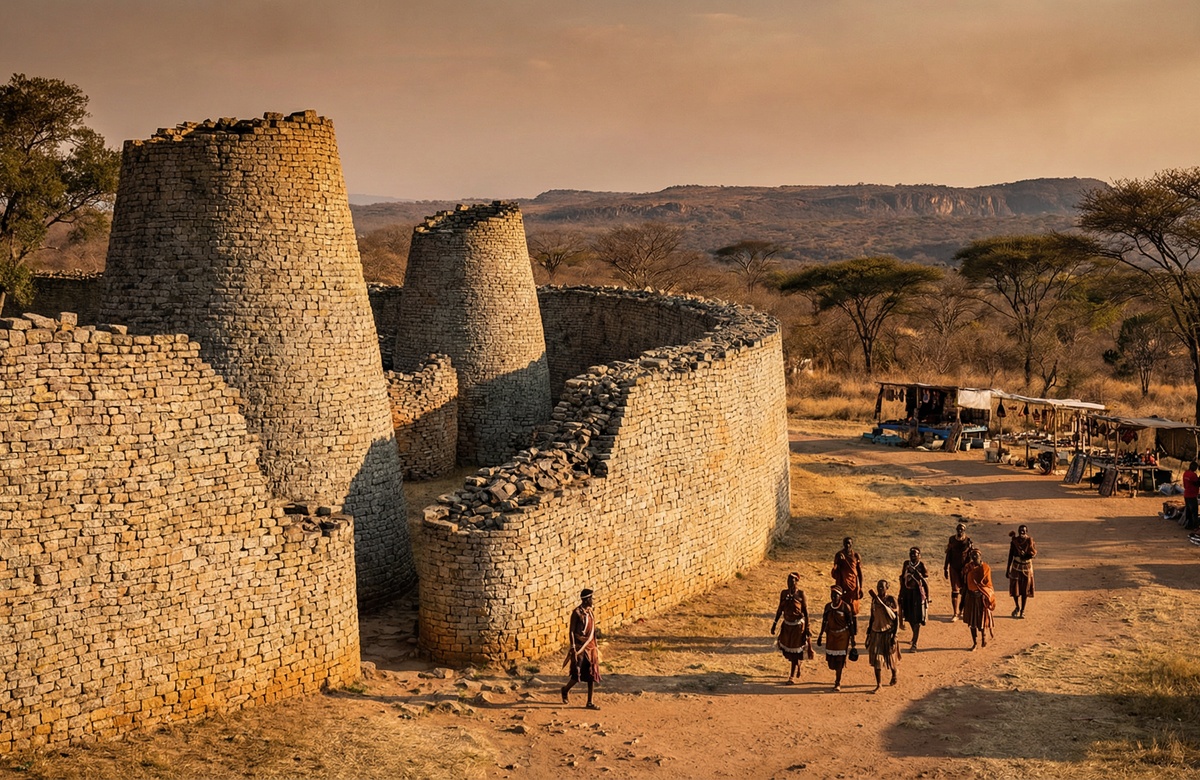
Heritage sites are more than symbols of history and culture—they are vital economic assets that drive tourism, create jobs, and support local communities. In Ethiopia and Chad, the preservation and promotion of heritage sites have significantly contributed to local development. This article explores the economic impact of heritage sites and the strategies for maximizing their potential while safeguarding their integrity.
Heritage Sites as Economic Catalysts
Heritage sites attract tourists from around the world, generating revenue through entry fees, guided tours, and associated services such as lodging, dining, and transportation. In addition to their direct economic contributions, these sites:
Create Employment: From site maintenance workers to tour guides and artisans, heritage sites provide diverse job opportunities.
Support Small Businesses: Local craftspeople, hospitality providers, and vendors benefit from increased foot traffic.
Promote Cultural Exchange: Tourists gain insights into local traditions, fostering cross-cultural understanding and appreciation.
Key Heritage Sites in Ethiopia and Chad
1. Lalibela Rock-Hewn Churches (Ethiopia)
The rock-hewn churches of Lalibela, a UNESCO World Heritage Site, are a testament to Ethiopia’s rich religious history. These iconic structures attract thousands of pilgrims and tourists annually, supporting local businesses and artisans specializing in traditional crafts.
2. Axum Obelisks (Ethiopia)
The ancient city of Axum, known for its towering obelisks and archaeological significance, is a major tourist destination. Revenue from guided tours and souvenir sales directly benefits the local economy.
3. Lake Chad Basin (Chad)
The Lake Chad Basin, an ecological and cultural treasure, draws visitors interested in its unique biodiversity and historical significance. Local fishing communities benefit from eco-tourism initiatives.
4. Ennedi Plateau Rock Art (Chad)
The Ennedi Plateau is home to thousands of prehistoric rock art sites, showcasing the region’s ancient human history. Guided treks and cultural experiences in the area generate income for nomadic communities.
Economic Benefits of Heritage Tourism
1. Revenue Generation
Heritage sites contribute to national and local revenues through tourism-related activities. Entry fees, souvenirs, and hospitality services provide consistent income streams.
2. Job Creation
Tourism-related jobs, including guides, security personnel, and vendors, boost local employment. Heritage preservation projects also require skilled and unskilled labor, further expanding job opportunities.
3. Community Empowerment
Communities living near heritage sites often take an active role in site management and tourism activities, fostering pride and ownership.
4. Regional Development
The development of heritage sites often leads to improvements in infrastructure, such as roads, electricity, and sanitation, benefiting local communities and enhancing their quality of life.
Challenges in Maximizing Economic Potential
Lack of Infrastructure
Many heritage sites, particularly in remote areas, lack adequate infrastructure to accommodate large numbers of visitors.
Insufficient Marketing
Limited promotion of heritage sites reduces their visibility to international and domestic tourists, impacting visitor numbers and revenue.
Preservation vs. Commercialization
Balancing the need to attract tourists with the imperative to preserve heritage sites is a delicate challenge. Over-tourism can lead to environmental degradation and loss of cultural authenticity.
Security Concerns
In regions with political instability, safety concerns can deter tourists from visiting heritage sites.
Strategies for Sustainable Heritage Tourism
Investing in Infrastructure
Improving access to heritage sites through better roads, transportation, and visitor facilities ensures a positive tourist experience while promoting economic development.
Leveraging Technology
Digital tools, such as virtual tours and augmented reality, can attract a global audience and enhance visitor engagement. Technology also aids in site preservation by providing detailed documentation and monitoring.
Community Involvement
Empowering local communities to manage and benefit from heritage tourism ensures sustainable practices and equitable distribution of income.
Partnerships with International Organizations
Collaborations with organizations like UNESCO and the World Tourism Organization bring technical expertise, funding, and global visibility to heritage sites.
Implementing Sustainable Tourism Policies
Governments must enforce policies that balance tourism growth with the preservation of heritage sites, ensuring their longevity for future generations.
Case Studies: Success Stories
Lalibela Rock-Hewn Churches
The community-driven management model in Lalibela has led to significant economic benefits, with locals operating as guides, artisans, and service providers. Conservation efforts supported by UNESCO have preserved the site while boosting tourism.
Ennedi Plateau
The Ennedi Plateau’s integration into Chad’s eco-tourism strategy has increased visitor numbers while promoting sustainable practices. Local nomadic communities now earn income from guiding and accommodation services.
The Future of Heritage Tourism in Ethiopia and Chad
Heritage tourism is poised to play an even greater role in Ethiopia and Chad’s economic development. By addressing infrastructure gaps, enhancing marketing efforts, and involving local communities, these countries can unlock the full potential of their heritage sites. As global interest in cultural and eco-tourism grows, Ethiopia and Chad have a unique opportunity to position themselves as premier destinations.
Conclusion: Preserving the Past, Building the Future
Heritage sites are invaluable assets that connect us to our shared history while driving economic growth and community development. Ethiopia and Chad’s rich cultural landscapes offer immense opportunities for sustainable tourism that benefits both visitors and local communities. By prioritizing preservation and responsible tourism, these countries can ensure that their heritage remains a source of pride and prosperity for generations to come.
 WhatsApp for a Google-Ready Website