Eco-tourism is gaining momentum as travelers seek meaningful experiences that connect them with nature while minimizing environmental impact. In Ethiopia and Chad, eco-tourism offers unique adventures, from exploring lush highlands to discovering desert oases. This article serves as a guide to eco-tourism in these regions, highlighting top destinations, activities, and the benefits of sustainable travel.
The Essence of Eco-Tourism
Eco-tourism is about preserving natural habitats, supporting local communities, and educating visitors about the environment. It promotes sustainable practices that protect ecosystems while offering travelers authentic and immersive experiences.
In Ethiopia and Chad, eco-tourism is not only a way to showcase their natural beauty but also an opportunity to foster environmental awareness and economic growth.
Top Eco-Tourism Destinations
1. Simien Mountains National Park (Ethiopia)
A UNESCO World Heritage Site, the Simien Mountains National Park is a haven for trekking enthusiasts. Visitors can spot unique wildlife, such as the Gelada baboon and Ethiopian wolf, while enjoying panoramic views of dramatic cliffs and valleys.
2. Lake Tana Biosphere Reserve (Ethiopia)
Lake Tana, Ethiopia’s largest lake, offers eco-tourism activities such as birdwatching, boat tours, and visits to ancient monasteries. The reserve emphasizes the conservation of aquatic life and wetland ecosystems.
3. Zakouma National Park (Chad)
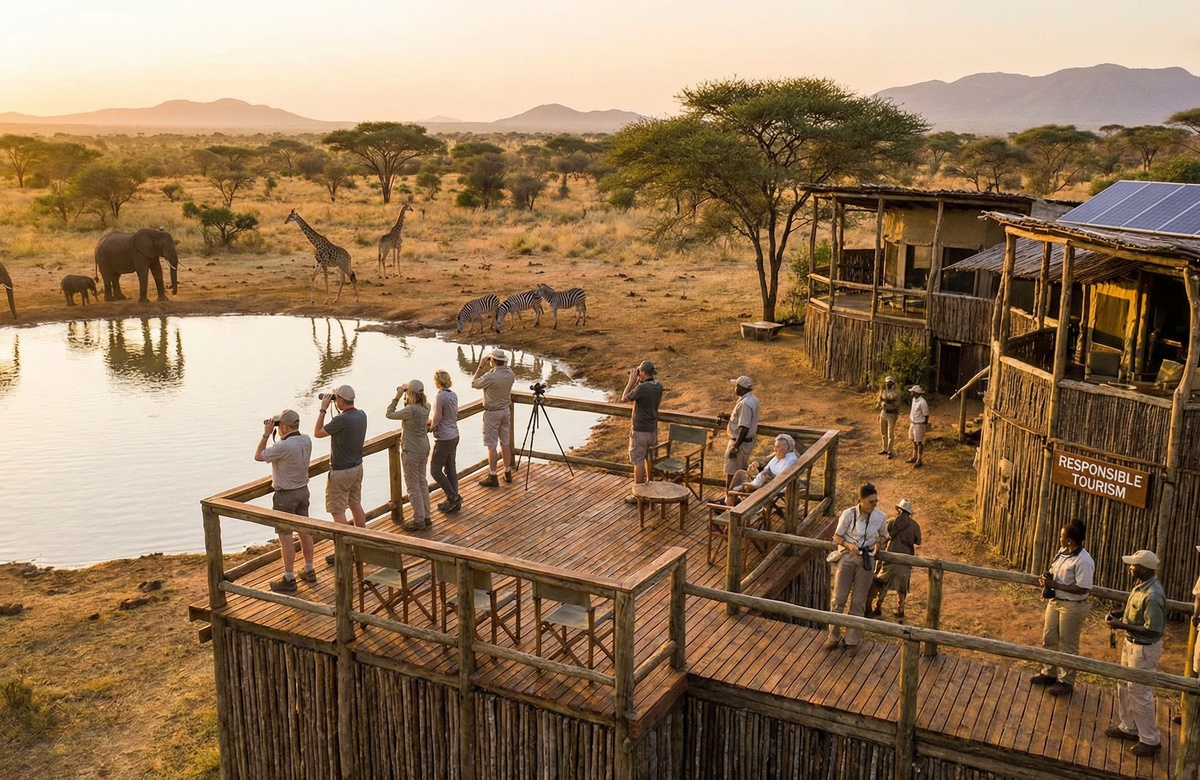
Zakouma is a shining example of successful conservation in Chad. Visitors can enjoy guided safaris to see elephants, lions, and other wildlife, while learning about anti-poaching efforts and community engagement.
4. Ennedi Plateau (Chad)
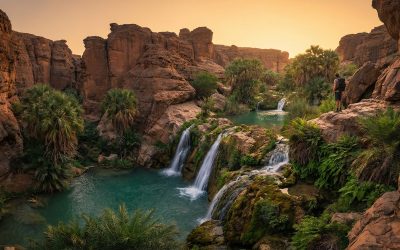
The Ennedi Plateau, with its sandstone arches, ancient rock art, and hidden springs, is ideal for eco-tourism. Visitors can trek through this remote desert landscape while supporting local nomadic communities.
Sustainable Travel Activities
Wildlife Safaris
Eco-tourism safaris focus on observing animals in their natural habitats without disturbing the environment. Guided tours in Zakouma and the Simien Mountains emphasize ethical wildlife viewing.
Cultural Immersion
Eco-tourism fosters meaningful interactions with local communities. Visitors can participate in traditional crafts, farming practices, and storytelling, gaining a deeper understanding of the region’s culture.
Conservation Volunteering
Travelers can contribute to conservation projects, such as reforestation efforts in the Simien Mountains or wildlife monitoring programs in Zakouma.
Low-Impact Trekking
Exploring trails in eco-sensitive areas like the Ennedi Plateau or Lake Tana allows travelers to experience nature responsibly, with minimal impact on ecosystems.
The Benefits of Eco-Tourism
Environmental Conservation
Eco-tourism raises funds for protecting endangered species, restoring habitats, and combating climate change. National parks like Zakouma and the Simien Mountains rely on eco-tourism revenues to sustain conservation efforts.
Community Empowerment
Eco-tourism creates jobs for local communities, from tour guides to hospitality workers. It also supports small businesses, such as eco-lodges and artisanal markets, promoting inclusive economic growth.
Cultural Preservation
By showcasing traditional practices and customs, eco-tourism helps preserve the cultural heritage of local communities, ensuring it is passed down to future generations.
Educational Impact
Eco-tourism educates travelers about the importance of biodiversity and sustainability, fostering a global community committed to protecting the planet.
Challenges in Developing Eco-Tourism
Limited Infrastructure
Many eco-tourism sites in Ethiopia and Chad lack the necessary infrastructure, such as roads, accommodations, and visitor centers, making them difficult to access.
Balancing Tourism and Conservation
Unregulated tourism can damage fragile ecosystems. Striking a balance between visitor numbers and environmental protection is crucial for long-term sustainability.
Climate Change
Rising temperatures and unpredictable weather patterns threaten eco-tourism attractions, such as wildlife habitats and water sources.
Strategies for Promoting Eco-Tourism
Investment in Infrastructure
Developing eco-friendly accommodations, transport, and visitor facilities ensures accessibility without compromising the environment.
Partnerships with Local Communities
Engaging local residents in planning and management ensures that eco-tourism benefits are distributed equitably and sustainably.
Awareness Campaigns
Promoting eco-tourism through social media, travel agencies, and international expos can attract responsible travelers who value sustainability.
Certification Programs
Encouraging eco-tourism operators to obtain certifications, such as Green Globe or Eco Tourism Africa, assures visitors of their commitment to environmental and social standards.
The Future of Eco-Tourism in Ethiopia and Chad
Eco-tourism in Ethiopia and Chad has the potential to become a significant driver of sustainable development. With investments in infrastructure, community engagement, and conservation, these regions can attract eco-conscious travelers while preserving their natural and cultural treasures. As the global demand for eco-tourism grows, Ethiopia and Chad are well-positioned to offer unparalleled adventures that leave a positive impact.
Conclusion: Traveling with Purpose
Eco-tourism is more than a trend—it’s a commitment to exploring the world responsibly. By choosing Ethiopia and Chad for eco-tourism adventures, travelers can immerse themselves in nature, support local communities, and contribute to the preservation of our planet. Whether it’s trekking in the Simien Mountains or marveling at the Ennedi Plateau, sustainable travel promises unforgettable experiences that make a difference.
 WhatsApp for a Google-Ready Website