Ethiopia’s e-commerce sector is experiencing rapid growth, fueled by increased internet penetration, mobile connectivity, and a burgeoning entrepreneurial spirit. Online marketplaces have become a pivotal part of this transformation, connecting businesses with consumers and creating new economic opportunities. This article explores the rise of e-commerce in Ethiopia, key players, and the challenges and opportunities shaping the industry’s future.
The Evolution of E-Commerce in Ethiopia
E-commerce in Ethiopia has traditionally lagged behind other African countries due to infrastructure limitations and regulatory barriers. However, the last decade has seen a significant shift, with government initiatives and private sector investment driving the digital economy forward. Platforms like Jumia Ethiopia, Gebeya, and Qefira have introduced online marketplaces that cater to a variety of needs, from retail to professional services.
The government’s Digital Ethiopia 2025 strategy, which aims to create an inclusive digital economy, has played a critical role in fostering the growth of e-commerce. Increased smartphone adoption and the expansion of mobile money services like Telebirr have further supported this trend.
Key Players in Ethiopia’s Online Marketplaces
1. Jumia Ethiopia
A leading e-commerce platform in Africa, Jumia has established a strong presence in Ethiopia by offering a wide range of products, from electronics to household goods. Its reliable delivery services and promotional campaigns have made it a household name among Ethiopian consumers.
2. Qefira
Qefira is a classified ads platform connecting buyers and sellers for a variety of goods and services. From vehicles to real estate, the platform allows users to trade conveniently and securely.
3. Gebeya
Gebeya is a specialized online marketplace for IT professionals and services. It connects Ethiopian freelancers with businesses seeking tech solutions, fostering innovation and employment in the tech sector.
4. Addis Mercato
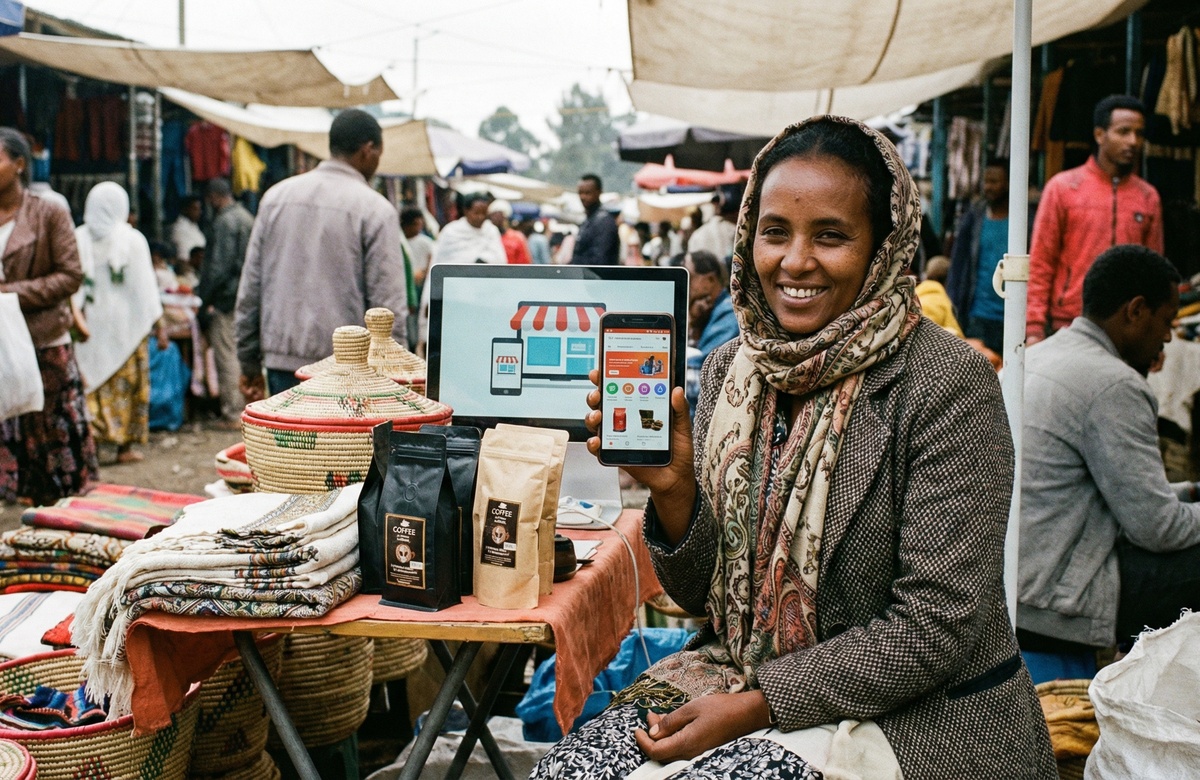
Addis Mercato caters to niche markets, offering traditional Ethiopian products like spices, coffee, and handmade crafts. This platform is popular among both local and diaspora communities.
5. Ahadu
Ahadu focuses on food and grocery delivery, providing urban consumers with the convenience of shopping for daily essentials online. Its growth reflects the increasing demand for quick and reliable delivery services in Ethiopia’s cities.
Factors Driving the Growth of Online Marketplaces
1. Mobile Connectivity
With over 45 million mobile subscribers, Ethiopia’s growing digital infrastructure has made e-commerce more accessible. Platforms optimized for mobile use have expanded their reach to previously underserved populations.
2. Urbanization
Rapid urbanization has increased demand for convenient shopping experiences, particularly among young professionals in cities like Addis Ababa.
3. Increased Trust in Digital Payments
The introduction of Telebirr, Ethiopia’s mobile money platform, has improved trust in digital transactions, enabling seamless payments on e-commerce platforms.
4. Entrepreneurial Ecosystem
The rise of startups and SMEs in Ethiopia has created a vibrant entrepreneurial ecosystem. Online marketplaces provide these businesses with a platform to reach larger audiences.
Challenges Facing E-Commerce in Ethiopia
Limited Logistics Infrastructure
Poor road networks and inadequate delivery systems can hinder the efficient operation of e-commerce platforms, particularly in rural areas.
Low Digital Literacy
Many Ethiopians, especially in rural areas, lack the digital skills needed to engage with e-commerce platforms effectively.
Regulatory Barriers
While the government has made progress, bureaucratic processes and inconsistent regulations still pose challenges for e-commerce businesses.
Connectivity Issues
Although internet access is improving, high costs and inconsistent connectivity remain barriers to widespread adoption of e-commerce.
Opportunities for Growth
Expanding Mobile Money Adoption
Increasing the reach of mobile payment platforms like Telebirr will enable more Ethiopians to shop online, boosting e-commerce participation.
Developing Logistics Networks
Investing in logistics infrastructure, such as warehouses and delivery services, will improve the efficiency and reliability of online marketplaces.
Educating Consumers
Digital literacy programs can empower more Ethiopians to use e-commerce platforms, increasing their customer base.
Niche Market Development
Platforms that cater to specific markets, such as Addis Mercato’s focus on Ethiopian heritage products, can attract both local and international consumers.
The Future of E-Commerce in Ethiopia
Ethiopia’s e-commerce sector is poised for exponential growth, driven by innovation, improved connectivity, and a supportive policy environment. As more businesses embrace digital platforms and consumers adapt to online shopping, e-commerce will play a pivotal role in Ethiopia’s economic transformation. With the right investments in infrastructure and education, Ethiopia could become a leader in e-commerce in East Africa.
Conclusion: A Digital Revolution in Progress
The growth of online marketplaces in Ethiopia is transforming how businesses and consumers interact, offering convenience, choice, and economic opportunities. By addressing existing challenges and leveraging its strengths, Ethiopia can fully unlock the potential of e-commerce, fostering a more inclusive and connected economy.
 WhatsApp for a Google-Ready Website