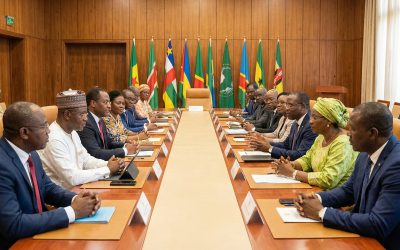
Transparency is a cornerstone of good governance and a critical factor in attracting investment. In North Africa, where economic growth depends heavily on foreign and domestic investment, improving transparency can significantly boost investor confidence. This article explores the role of transparency in governance, its impact on economic stability, and how North African countries are implementing reforms to create an investor-friendly environment.
The Link Between Transparency and Investment
Investors prioritize stability, predictability, and accountability when choosing markets to enter. Transparency ensures that government actions, regulations, and policies are clear, consistent, and accessible, reducing uncertainty and fostering trust. In North Africa, enhanced transparency can address concerns about corruption, opaque bureaucracies, and inconsistent legal frameworks, making the region more attractive to investors.
Transparent governance also helps mitigate risks by providing investors with accurate and timely information about market conditions, legal requirements, and economic policies. This enables businesses to make informed decisions and reduces the likelihood of disputes or regulatory challenges.
Challenges to Transparency in North Africa
Despite its importance, achieving transparency in governance remains a challenge for many North African countries. Key issues include:
Corruption and Bureaucratic Inefficiency: Corruption undermines investor confidence by creating unfair advantages and inflating operational costs. Complex and inefficient bureaucratic systems further deter investment by increasing the time and resources needed to comply with regulations.
Lack of Accessible Information: Limited access to data on government spending, public procurement, and regulatory changes hinders accountability and creates barriers for potential investors seeking to navigate the market.
Regulatory Inconsistencies: Frequent changes in policies without clear communication create uncertainty, making it difficult for investors to plan long-term projects.
Reforms to Enhance Transparency
Recognizing these challenges, North African governments are implementing reforms to improve transparency and build investor confidence. Key initiatives include:
1. Digitization of Public Services:
Countries like Morocco and Tunisia are digitizing public services to increase accessibility and reduce opportunities for corruption. Online portals for business registration, tax filing, and public procurement provide transparent processes and reduce human intervention.
2. Anti-Corruption Measures:
Algeria has established anti-corruption agencies tasked with investigating and prosecuting corrupt practices. Morocco has introduced legal frameworks to enhance accountability in public finance management, ensuring that government budgets and expenditures are transparent.
3. Standardization of Regulations:
Efforts to harmonize trade and investment policies under agreements like the African Continental Free Trade Area (AfCFTA) are promoting regulatory consistency across the region. This standardization reduces uncertainty for investors and facilitates cross-border investments.
The Role of Public-Private Partnerships
Public-private partnerships (PPPs) are instrumental in fostering transparency. By involving private sector stakeholders in policymaking and governance, governments can ensure that reforms reflect the needs of businesses. PPPs also enhance accountability by introducing checks and balances in project implementation and resource allocation.
For example, in Egypt, collaborations between the government and international organizations have led to the establishment of transparent frameworks for infrastructure projects. These frameworks provide investors with clear guidelines on costs, timelines, and returns, reducing risks and fostering trust.
Transparency Success Stories in North Africa
Recent reforms in North Africa have demonstrated the transformative impact of transparency on investment. In Morocco, the introduction of the National Single Window for Trade Procedures has streamlined customs processes, reducing delays and increasing efficiency. This initiative has significantly improved Morocco’s ranking in the World Bank’s Ease of Doing Business Index, attracting multinational companies to invest in the country.
Tunisia’s e-procurement platform, TUNEPS, is another example of successful transparency reform. By digitizing public procurement processes, the platform has minimized corruption and improved competitiveness among bidders, increasing investor confidence in government projects.
The Way Forward
To sustain investor confidence, North African countries must continue prioritizing transparency in governance. This includes strengthening anti-corruption measures, expanding digital transformation, and fostering greater collaboration between public and private sectors. Providing regular updates on policy changes, economic data, and public expenditures will further enhance accountability and predictability.
Ultimately, transparency is not just a governance principle but a strategic advantage. By building trust and reducing uncertainty, North African nations can unlock greater investment opportunities, driving economic growth and development.
 WhatsApp for a Google-Ready Website