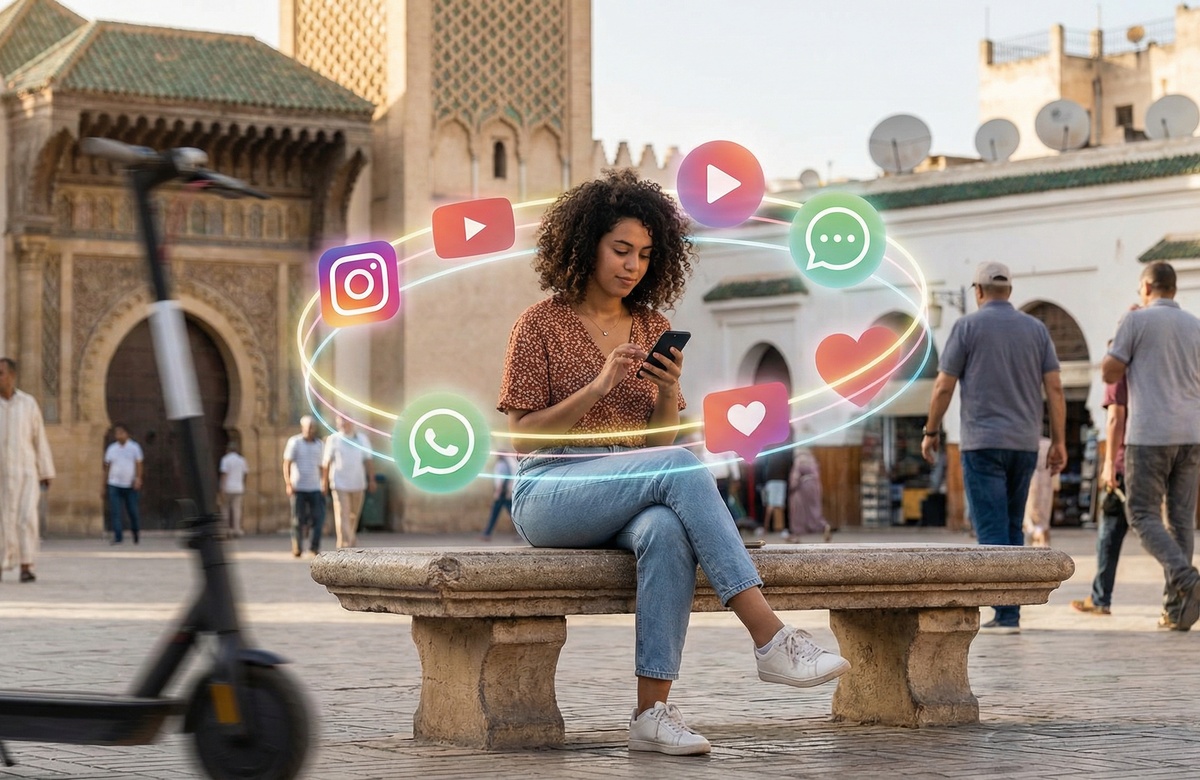
Social media has transformed how people in North Africa connect, communicate, and engage with the world around them. Platforms like Facebook, Instagram, TikTok, and Twitter are deeply embedded in daily life, influencing everything from personal relationships to professional opportunities. While social media has brought significant benefits, it also presents challenges that require thoughtful navigation. This article examines the impact of social media on daily life in North Africa, highlighting both its positive contributions and the issues it raises.
Social Media as a Catalyst for Connection
Social media platforms have revolutionized communication in North Africa, breaking down geographical barriers and enabling instant connections across the region and beyond. Families separated by migration or work can maintain relationships through video calls, instant messaging, and shared posts. This connectivity fosters a sense of closeness and belonging, even across vast distances.
On a community level, social media has become a tool for organizing events, sharing cultural content, and amplifying local voices. For example, grassroots movements in Morocco and Tunisia have used platforms like Facebook to mobilize support for social causes, from environmental conservation to women’s rights.
Empowering Businesses and Entrepreneurs
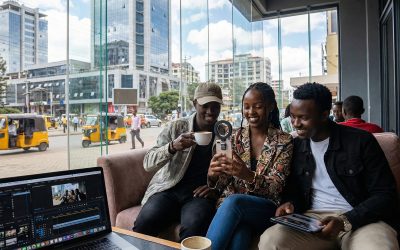
Social media has emerged as a powerful tool for economic empowerment, particularly for small businesses and entrepreneurs. Platforms like Instagram and TikTok provide affordable marketing avenues, allowing local artisans, fashion designers, and food vendors to reach wider audiences. In Algeria, many young entrepreneurs use social media to showcase their products and connect directly with customers, bypassing traditional advertising costs.
Additionally, influencers and content creators have carved out new career paths by monetizing their social media presence. Through brand partnerships, sponsored posts, and affiliate marketing, individuals can turn their digital following into a source of income, creating opportunities in a rapidly evolving digital economy.
Transforming Education and Learning
Social media is also reshaping education in North Africa by providing access to a wealth of online resources and learning communities. Students and professionals use platforms like YouTube, LinkedIn, and Telegram to access tutorials, webinars, and discussion groups. These tools enhance learning experiences and bridge gaps in traditional education systems.
During the COVID-19 pandemic, social media played a crucial role in facilitating remote learning, allowing teachers and students to stay connected despite school closures. This shift demonstrated the potential of social media to complement formal education and promote lifelong learning.
The Challenges of Social Media
While social media offers numerous benefits, it also presents challenges that impact daily life in North Africa:
Mental Health Concerns:
Excessive use of social media can contribute to anxiety, depression, and feelings of inadequacy. The pressure to maintain curated, idealized online personas can negatively affect self-esteem, particularly among young people.
Misinformation and Fake News:
Social media platforms are often vehicles for spreading misinformation and fake news. In North Africa, unverified information on topics like health, politics, and current events can mislead the public and create social tensions.
Privacy and Security Risks:
The widespread use of social media exposes individuals to privacy breaches, cyberbullying, and online scams. These risks highlight the need for greater digital literacy and robust cybersecurity measures.
Social Fragmentation:
While social media connects people, it can also deepen divisions by creating echo chambers where users are exposed only to like-minded opinions. This polarization can hinder constructive dialogue on important social issues.
Striking a Balance in Social Media Use
To maximize the benefits of social media while minimizing its drawbacks, individuals and communities can adopt mindful usage strategies. Setting boundaries around screen time, curating feeds to prioritize positive and educational content, and engaging critically with online information are essential practices.
Governments and technology companies also have a role to play. Strengthening regulations around data privacy, promoting digital literacy programs, and implementing content moderation policies can help create safer and more inclusive digital spaces.
Social Media: A Force for Change
Social media is a double-edged sword, offering immense opportunities while posing significant challenges. In North Africa, it has become an integral part of daily life, shaping personal interactions, professional growth, and social movements. By navigating its complexities thoughtfully, individuals and communities can harness its potential to drive connection, innovation, and positive change.
 WhatsApp for a Google-Ready Website