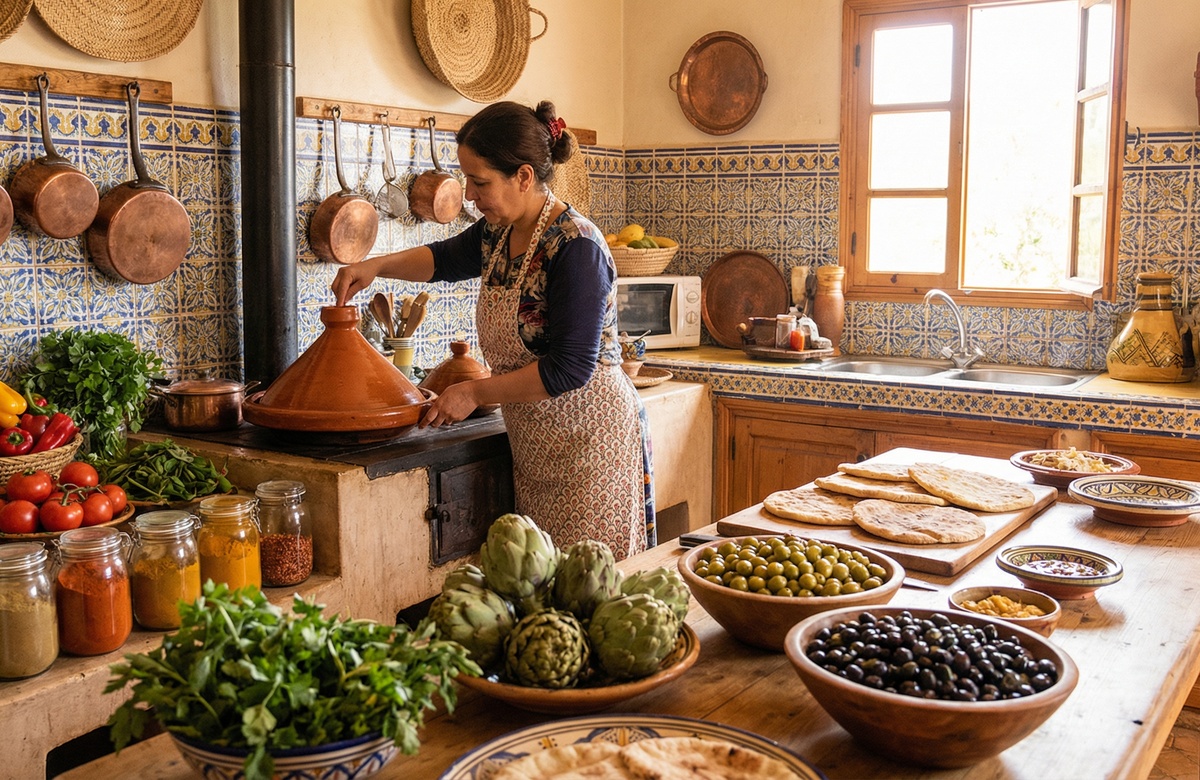
Healthy eating is essential for maintaining well-being and preventing chronic diseases, but for many families in North Africa, rising food costs can make it challenging. However, eating nutritiously does not have to break the bank. By making smart choices and leveraging local food traditions, families can maintain a healthy diet without overspending. This article provides practical tips for North African families to embrace healthy eating on a budget.
Leveraging Local and Seasonal Foods
One of the simplest ways to save money while eating healthily is to prioritize local and seasonal foods. North Africa is rich in agricultural produce, offering a variety of fruits, vegetables, grains, and legumes that are affordable and nutritious. Seasonal foods not only cost less but also taste better and are packed with nutrients. For instance, incorporating staples like lentils, chickpeas, and couscous into meals can provide essential nutrients at a low cost.
Farmers’ markets are excellent places to find fresh produce at lower prices. In Morocco and Tunisia, souks and local markets offer abundant options for vegetables, fruits, and herbs that form the backbone of traditional diets.
Cooking at Home
Preparing meals at home is not only cost-effective but also ensures that food is cooked in a healthier manner. By avoiding processed foods and dining out less frequently, families can control the ingredients in their meals, reducing unhealthy fats, sugars, and salt. Simple, home-cooked dishes like vegetable tagines, lentil stews, and fresh salads are nutritious and easy to make.
Batch cooking can further save time and money. Preparing large portions of meals such as harira or shakshuka and freezing them for later use helps minimize food waste and reduces the temptation to rely on expensive takeout options.
Adopting a Plant-Based Diet
A plant-based diet, centered around vegetables, legumes, and grains, is both economical and nutritious. North African cuisines already feature many plant-based dishes, such as ful medames in Egypt or vegetable couscous in Algeria. Reducing meat consumption and replacing it with protein-rich alternatives like beans, lentils, and tofu can significantly cut grocery bills while providing essential nutrients.
Minimizing Food Waste
Food waste is a common issue that can strain household budgets. Families can reduce waste by planning meals, using leftovers creatively, and properly storing perishable items. For example, stale bread can be turned into croutons or breadcrumbs, while leftover vegetables can be repurposed into soups or stir-fries.
Investing in airtight containers and freezer bags can extend the shelf life of fresh produce, ensuring that food stays fresh longer and reducing the need for frequent trips to the market.
Smart Shopping Strategies
Budget-conscious shopping is key to maintaining healthy eating habits. Families should consider the following tips:
Make a List: Creating a shopping list based on planned meals reduces impulsive purchases and ensures that only necessary items are bought.
Buy in Bulk: Staples like rice, flour, and legumes are often cheaper when purchased in bulk. Storing these items properly can help them last longer.
Compare Prices: Checking prices at different stores or markets can lead to significant savings. Some supermarkets offer discounts on fresh produce nearing its sell-by date, providing an opportunity to save on healthy ingredients.
The Benefits of Healthy Eating on a Budget
Eating healthily on a budget not only improves physical well-being but also fosters financial stability. By adopting cost-saving strategies and focusing on nutritious foods, families can enjoy balanced meals while avoiding the expenses associated with processed or fast foods.
Healthy eating habits also contribute to long-term savings by reducing the risk of diet-related illnesses. A well-balanced diet supports immune health, increases energy levels, and enhances overall quality of life.
A Sustainable Approach to Nutrition
Healthy eating on a budget is not just a short-term solution but a sustainable lifestyle choice. By embracing local foods, reducing waste, and cooking at home, North African families can enjoy nutritious meals without financial strain. These habits, deeply rooted in the region’s culinary traditions, offer a blueprint for maintaining health and well-being in a cost-effective manner.
 WhatsApp for a Google-Ready Website