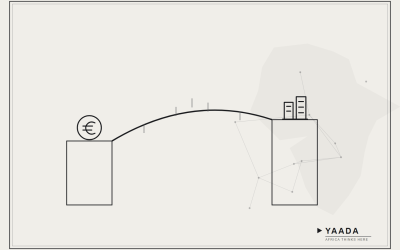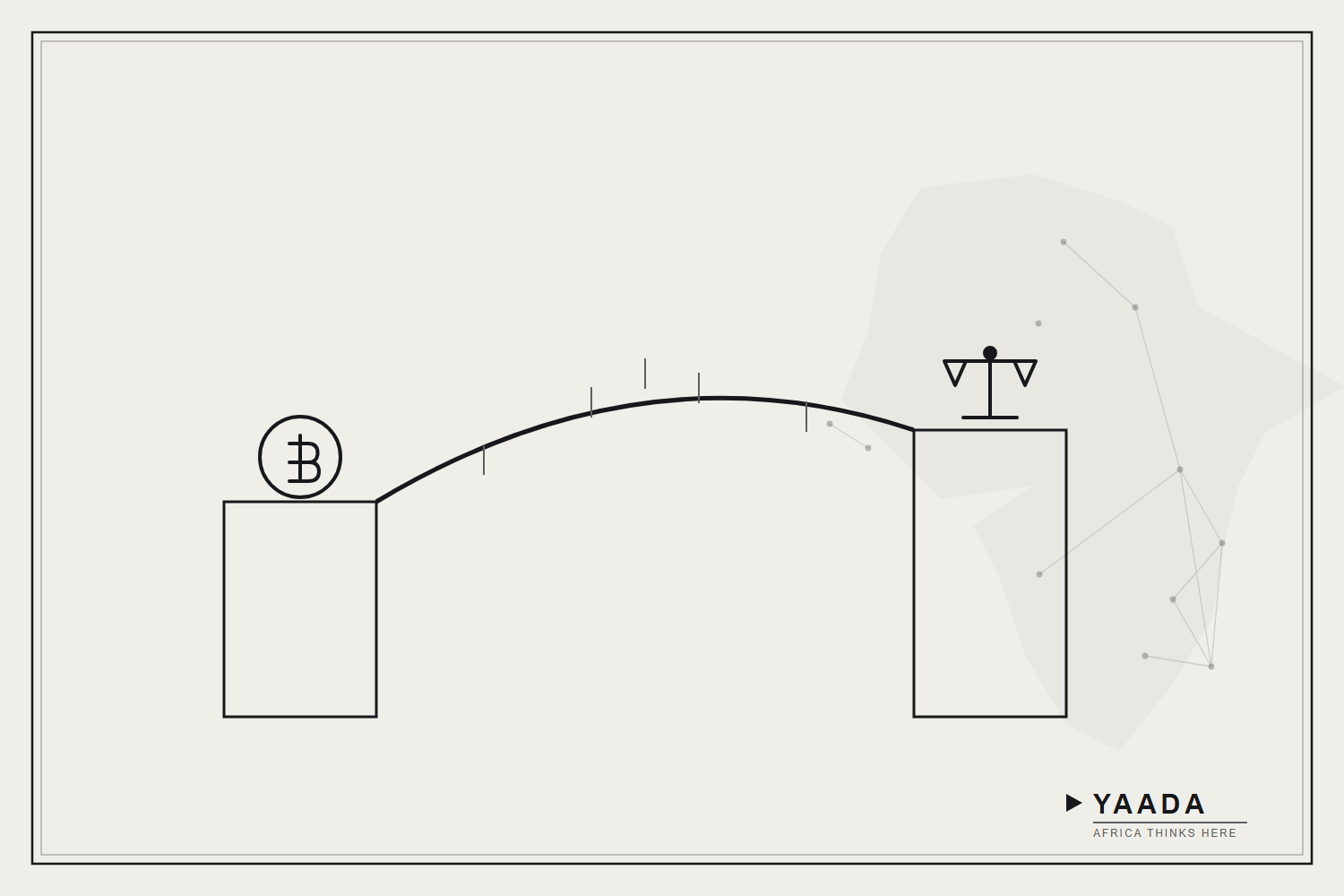
Africa does not lack money. It lacks the machinery to keep its own money working at home. That distinction sits at the centre of the eleven-point consensus African policymakers agreed in Abidjan on 20 April — a roadmap built on a single uncomfortable arithmetic. The continent holds more than US$4 trillion in domestic savings, yet faces an annual development funding gap of roughly US$400 billion. The problem is not absence. It is plumbing.
The Paradox: Savings without channels
The headline numbers reframe a debate that too often defaults to foreign aid and external borrowing. More than US$4 trillion in domestic savings is not a continent short of capital; it is a continent whose capital cannot find its way to the projects that need it. Pension funds, insurance pools, bank deposits and sovereign reserves sit in instruments that rarely flow into long-term, productive, local investment. Meanwhile the US$400 billion gap is filled, when it is filled at all, by external finance that arrives with currency risk and political strings attached.
The Abidjan consensus is, at heart, an attempt to fix that mismatch — to build the financial architecture that turns idle domestic savings into patient domestic capital. That is a structural project, not a fundraising drive.
The continent’s problem was never that the money wasn’t there; it was that the money couldn’t get there.
The Ethiopian Cut: Shallow markets, scarce long-term finance
For Ethiopian firms, this is not abstract policy. It is the wall they hit when they try to grow. The country’s capital markets are shallow, and long-term finance is genuinely scarce — a manufacturer who wants to expand, an infrastructure developer who needs ten-year money, a founder who has outgrown bank overdrafts all run into the same constraint. The savings exist somewhere in the system, but the channels to deploy them at scale and tenure do not.
This is the local face of the continental gap. When a profitable Ethiopian company cannot raise patient capital domestically, it is forced toward foreign currency borrowing or simply toward not growing at all. The first imports exchange-rate risk; the second imports nothing but a lower ceiling. Either way, the missing piece is the same one Abidjan names — a financial architecture deep enough to fund a firm’s next decade.
The newly launched Ethiopian Securities Exchange is the early scaffolding of exactly the kind of domestic market this roadmap envisions, but scaffolding is not yet a building.
A company that can sell coffee abroad but cannot raise capital at home is only half-built.
The Eleven Points: A roadmap, not a remedy
An eleven-point consensus is, by design, a direction rather than a fix. The detail of the points matters less, for now, than the shift in posture they represent: African policymakers agreeing collectively that the answer to the funding gap lies primarily in mobilising domestic savings rather than waiting on external finance. That is a meaningful change of frame, and the reporting on how African policymakers agreed the Abidjan roadmap presents it as the opening move of a new financial architecture rather than its completion.
The honest caveat is that consensus is the easy part. Mobilising US$4 trillion in scattered, regulated, risk-averse savings into long-term productive investment requires deep capital markets, credible institutions, currency stability and pension and insurance reform — none of which an eleven-point statement delivers on its own. The history of African financial-integration roadmaps is long; the history of their full execution is shorter. Bodies such as the African Development Bank, which convened the discussion, will be judged on follow-through, not framing.
A roadmap tells you where to drive; it does not start the car.
The Read: From statement to plumbing
The Abidjan consensus is the right diagnosis. A continent with US$4 trillion in savings and a US$400 billion gap has a distribution problem, and naming it collectively is a necessary first step toward solving it. The optimism is warranted: the capital genuinely exists, and the will to redirect it inward is now on record.
But the work is in the plumbing, and for Ethiopia the plumbing is immediate. The country needs deeper capital markets and real long-term finance channels not as a continental aspiration but as a condition for its own firms to scale. For an operator in Addis Ababa, the practical question is not whether the roadmap is correct — it plainly is — but how quickly the institutions catch up to it. The savings are in the system. The next decade depends on building the pipes that move them to where they are needed.
 WhatsApp for a Google-Ready Website