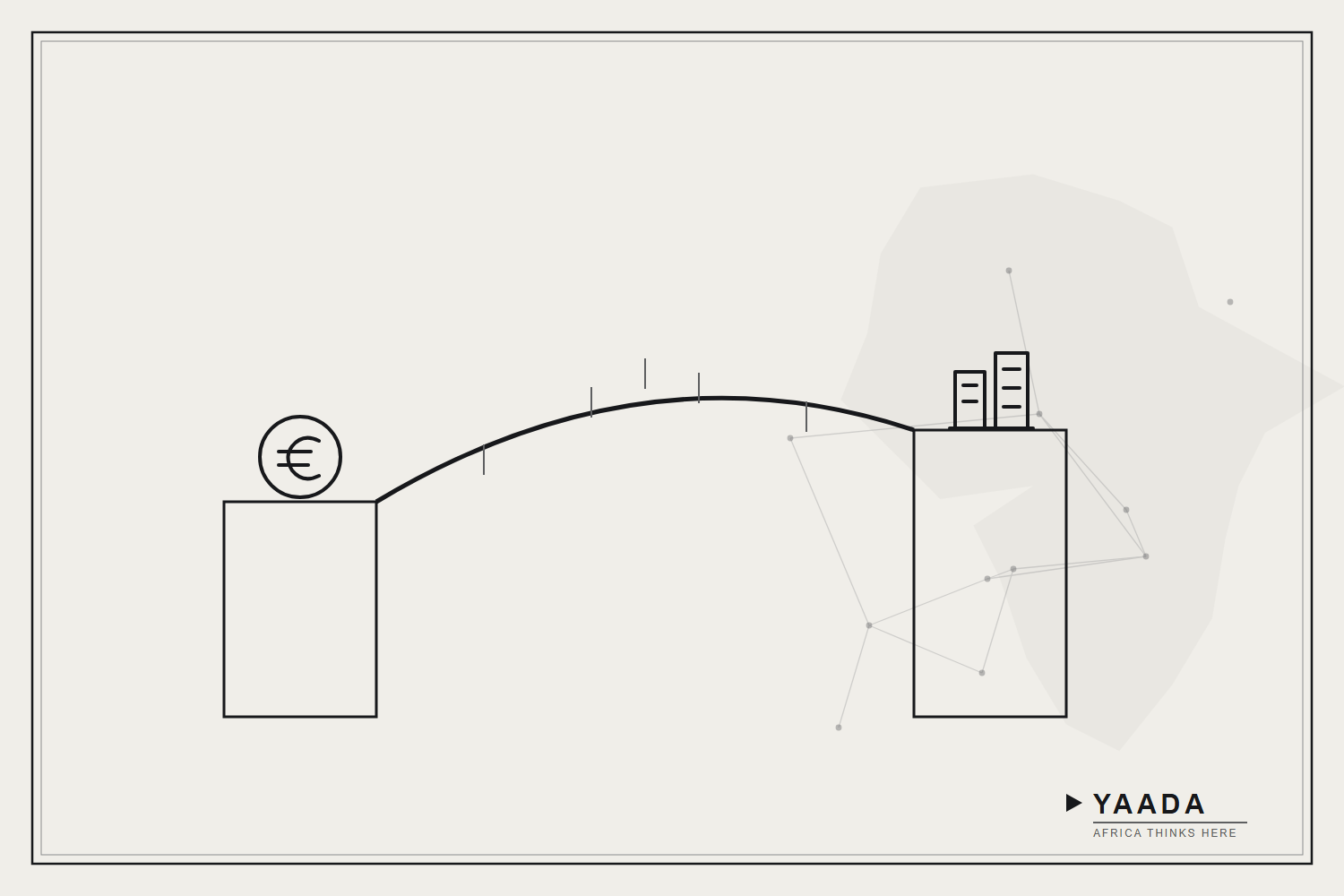
When a major donor pauses funding to a country, the headline is the pause. When it returns, the headline is usually the money. The more telling figure in the European Union’s 16 April re-engagement with Ethiopia is neither — it is the conditions attached to it. The EU is putting €559 million back on the table, but it is doing so on terms, and the terms are the real story.
The Return: €559 million, and what it is for
The package is structured to do three different jobs at once. It opens with €140 million in direct budget support — the most flexible form of aid, money that flows into the treasury rather than a ring-fenced project. Layered on top is €150 million earmarked for the digital economy and €269 million directed at electricity and fibre infrastructure. Together that is €559 million aimed squarely at the connective tissue of a modern economy: fiscal room, digital rails, and the power and broadband that everything else runs on.
The shape matters as much as the size. Budget support signals trust in how the state spends; infrastructure and digital financing signal a bet on Ethiopia’s medium-term capacity rather than short-term relief. Read together, this is not emergency aid. It is a vote on the trajectory.
Money that funds the wires and the ledger is a bet on the decade, not the quarter.
The Strings: Re-engagement on conditions
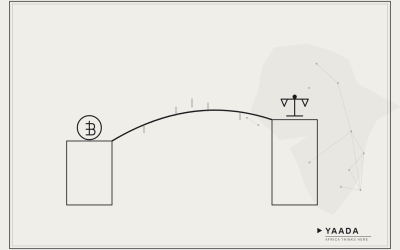
What makes this a re-engagement rather than business as usual is that the funding is tied to governance and human-rights conditions. That framing tells you where the relationship had been. The European Union does not attach political conditionality to partners it considers uncomplicated; it attaches it where confidence is being rebuilt deliberately, in tranches, against benchmarks.
For Ethiopia, this is a double-edged settlement. The capital is real and the endorsement is valuable — a return of European budget support carries signalling weight with other lenders and investors watching the country’s risk profile. But conditional money can also be withdrawn, and tying disbursement to governance milestones means the relationship now has a performance clause built in. The reporting, captured in an account of how Ethiopia’s reform drive won renewed EU backing, frames the package as recognition of progress — but recognition contingent on it continuing.
Conditional finance is a handshake with a clause: the grip loosens if the terms slip.
The Wider Board: Why Europe re-engaging matters
No single funder is decisive for an economy of Ethiopia’s scale, but the European Union is not just any funder. Its return reshapes the landscape Addis Ababa negotiates within. For years, the strategic question has been the balance between Western institutional finance — the EU, the IMF, the World Bank — and other partners offering capital with fewer political strings. A €559 million re-engagement tilts that balance and gives Ethiopian negotiators a credible Western anchor at the table again.
The directed nature of the money compounds the effect. Funds aimed at the digital economy and at electricity and fibre target precisely the bottlenecks that throttle private-sector growth. A founder in Addis Ababa cannot build a digital business on intermittent power or thin broadband; infrastructure financing of this kind is, indirectly, private-sector financing. When the rails improve, the firms that run on them improve with them.
When Europe re-engages, it is not only money returning — it is leverage, optionality and a benchmark.
The Read: Endorsement with an asterisk
The honest reading of 16 April is that Ethiopia has earned a meaningful vote of confidence and signed up to keep earning it. €559 million flowing toward budgets, digital capacity and infrastructure is a genuine strengthening of the country’s financial position and its standing with international partners. But conditionality means the money and the message are provisional — sustained on reform, not granted in perpetuity.
For operators, the practical signal is in the targeting. Capital is being steered toward digital and energy infrastructure, which is where the EU clearly sees Ethiopia’s next phase being built. The opportunity is to position alongside that flow. The caution is to remember that conditional finance reflects a relationship still being repaired — durable if the reform trajectory holds, reversible if it does not.
 WhatsApp for a Google-Ready Website