The scarcity of water resources in North Africa presents a significant challenge to the region’s agriculture. Arid climates dominate the landscape, and traditional irrigation methods often fall short in meeting the needs of sustainable farming. However, modern irrigation techniques are transforming how farmers utilize water, helping them conserve resources, increase productivity, and adapt to environmental challenges.
The Importance of Efficient Irrigation
Efficient irrigation is vital for agriculture in North Africa, where over 85% of water withdrawals are dedicated to farming. Conventional methods, such as surface irrigation, lead to significant water losses through evaporation and runoff. This inefficiency exacerbates the already critical issue of water scarcity in the region. Modern irrigation techniques, however, offer solutions that not only conserve water but also improve crop yields, reduce soil erosion, and ensure long-term agricultural sustainability.
Drip Irrigation: A Precision Approach
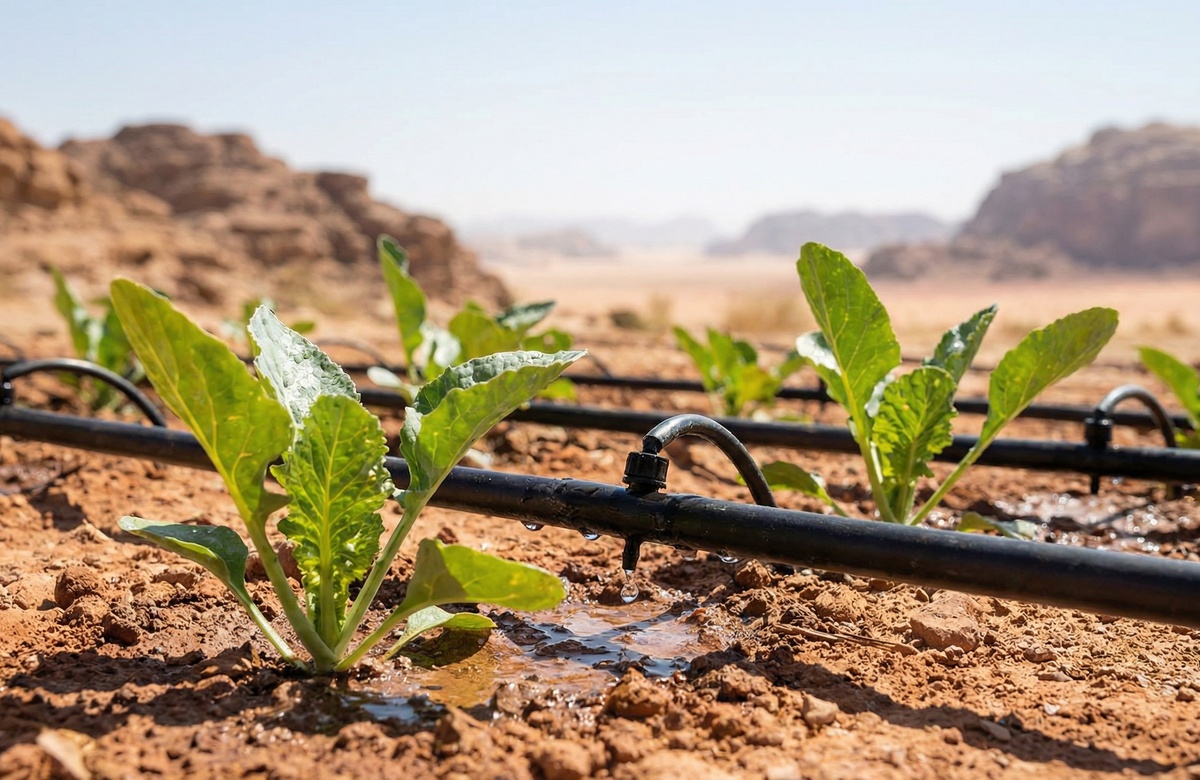
Drip irrigation is revolutionizing farming practices in arid climates. This system delivers water directly to the root zones of plants through a network of tubes and emitters, ensuring that every drop is utilized efficiently. By minimizing evaporation and runoff, drip irrigation reduces water usage by up to 60% compared to traditional methods.
Farmers in Morocco and Egypt have embraced this technology, particularly for high-value crops like olives, citrus fruits, and vegetables. The adoption of drip irrigation not only improves crop quality but also allows farmers to integrate fertigation systems, which deliver nutrients along with water, further enhancing productivity.
Sprinkler Irrigation: Versatile Solutions for Large Farms
Sprinkler systems, which simulate natural rainfall, are ideal for large-scale farms and areas with uneven terrain. They distribute water evenly across fields, ensuring consistent crop hydration. Advanced sprinkler systems equipped with sensors and automated controls optimize water use by adjusting to real-time weather conditions.
This method has gained traction in Algeria, where farmers report increased efficiency and reduced labor requirements. Sprinkler irrigation is particularly effective for cereal crops, which form a staple of the region’s agricultural output.
Smart Irrigation Technologies
The integration of technology into irrigation systems is helping farmers manage water resources more effectively. Soil moisture sensors, for instance, provide real-time data on moisture levels, ensuring water is applied only when necessary. These sensors prevent overwatering, conserve resources, and improve crop health.
Farmers using smart irrigation systems benefit from reduced water and energy costs, along with enhanced crop yields. Additionally, satellite imaging and drones are being utilized to monitor field conditions and identify areas requiring attention, enabling a data-driven approach to farming.
Alternative Water Sources for Agriculture
With limited freshwater availability, North African countries are exploring alternative sources of water for irrigation. Desalination plants in coastal areas of Algeria and Tunisia convert seawater into usable irrigation water, providing a reliable year-round supply. Treated wastewater is another valuable resource, particularly for non-food crops and salt-tolerant plants.
Research into crops that thrive in saline conditions, such as barley and certain vegetables, is further enhancing the viability of using alternative water sources in agriculture. These initiatives are critical for mitigating the impact of water scarcity on farming.
Challenges and the Way Forward
Despite its potential, the adoption of modern irrigation techniques faces several obstacles in North Africa. High initial costs deter many smallholder farmers, who often lack access to financing. Limited technical knowledge and fragmented land ownership also hinder widespread implementation.
Governments and NGOs are addressing these challenges by offering subsidies, training programs, and infrastructure development. Morocco, for instance, has invested heavily in public-private partnerships to promote modern irrigation systems, while Tunisia is focusing on building irrigation infrastructure in rural areas.
The future of irrigation in North Africa lies in scaling these innovative systems and ensuring they are accessible to all farmers. By embracing technology and sustainable practices, the region can overcome its water scarcity challenges and secure a thriving agricultural sector.
 WhatsApp for a Google-Ready Website