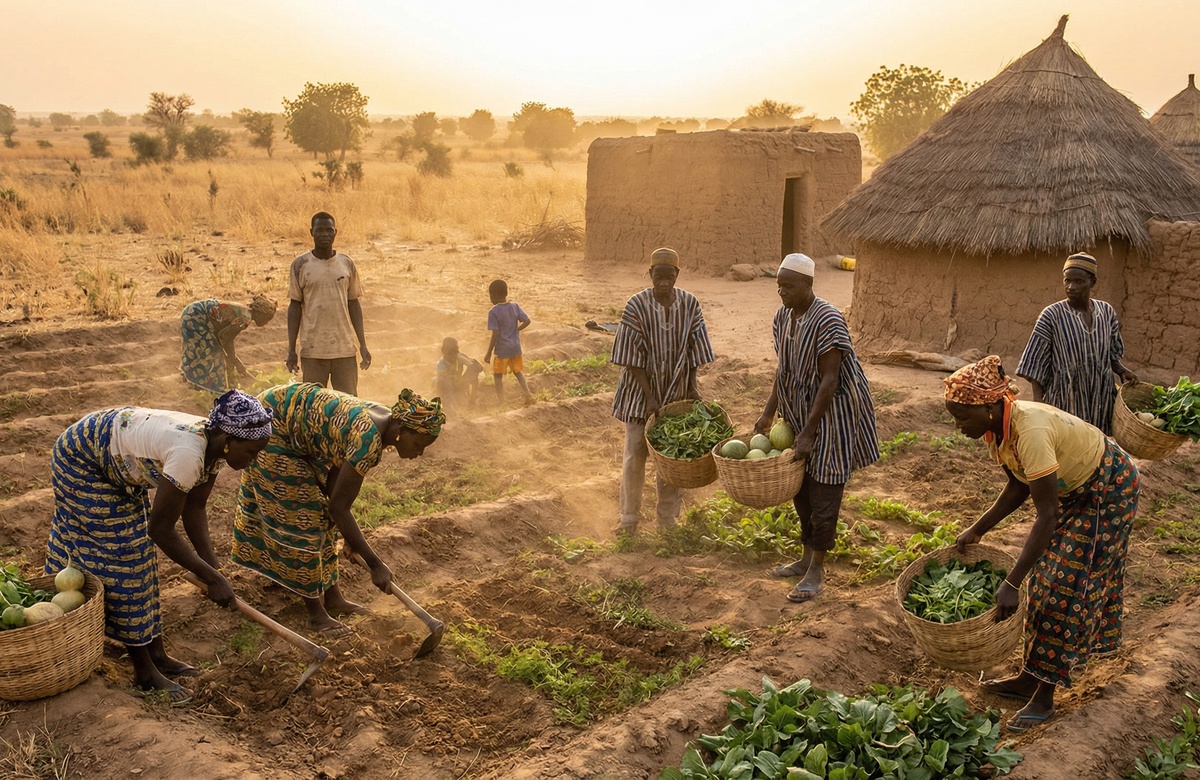
In Chad, agriculture is the backbone of rural livelihoods, but unsustainable farming methods have led to soil degradation and environmental challenges. As the nation grapples with food insecurity and climate change, sustainable agriculture practices are emerging as a solution to boost productivity while reducing environmental impact. This article explores actionable strategies for sustainable farming in Chad’s rural communities.
Understanding Chad’s Agricultural Landscape
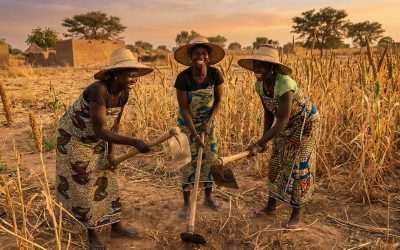
Chad’s rural communities rely heavily on subsistence farming, with crops like millet, sorghum, and maize dominating production. However, traditional farming methods have often depleted soil fertility, exacerbating the effects of erratic rainfall and desertification. To combat these challenges, a shift toward sustainable agriculture is essential.
Techniques for Sustainable Farming
1. Crop Rotation and Intercropping
Crop rotation involves alternating crops on the same plot of land to improve soil health and reduce pest infestations. For example, planting legumes like cowpeas can replenish nitrogen levels in the soil, benefiting subsequent crops. Intercropping—growing multiple crops together—optimizes land use and minimizes the risk of total crop failure during adverse conditions.
2. Conservation Agriculture
Conservation agriculture practices, such as minimal tillage and mulching, help preserve soil structure and retain moisture. These methods reduce erosion, improve water infiltration, and promote biodiversity in farming systems, making them particularly effective in Chad’s semi-arid regions.
3. Agroforestry for Resilience
Agroforestry integrates trees and shrubs into agricultural landscapes, providing shade, reducing wind erosion, and improving soil fertility. For instance, planting nitrogen-fixing trees like Faidherbia albida enhances soil health and increases crop yields.
4. Organic Fertilizers and Composting
Switching to organic fertilizers and compost derived from local materials can improve soil fertility without harming the environment. Composting agricultural waste not only reduces waste but also provides an affordable alternative to chemical fertilizers.
Empowering Communities Through Education
Education is key to adopting sustainable agriculture practices. NGOs and local government agencies play a crucial role in training farmers on modern techniques, offering workshops, and distributing resources like drought-resistant seeds. Initiatives like farmer-to-farmer learning programs have proven effective in spreading knowledge across rural areas.
The Role of Policy and Collaboration
Government support and partnerships are essential for scaling sustainable agriculture in Chad. Policies that incentivize environmentally friendly farming, coupled with financial support from international organizations, can drive adoption. Collaborative projects between local communities and global NGOs, such as the World Food Programme, amplify impact by addressing both farming challenges and socio-economic needs.
A Sustainable Path Forward
Sustainable agriculture offers a transformative path for Chad’s rural communities, ensuring food security and environmental conservation. By embracing techniques like crop rotation, conservation agriculture, and agroforestry, farmers can build resilient ecosystems and secure livelihoods for future generations.
 WhatsApp for a Google-Ready Website