Digital inclusion is an essential driver of economic development and social equity. However, rural areas in North Africa continue to face significant digital divides that limit access to education, healthcare, and economic opportunities. As governments and private sector players strive to close this gap, innovative solutions are emerging to connect underserved communities to the digital economy. This article explores the causes of the digital divide, its impacts on rural populations, and initiatives aimed at fostering digital inclusion across the region.
The Roots of the Digital Divide
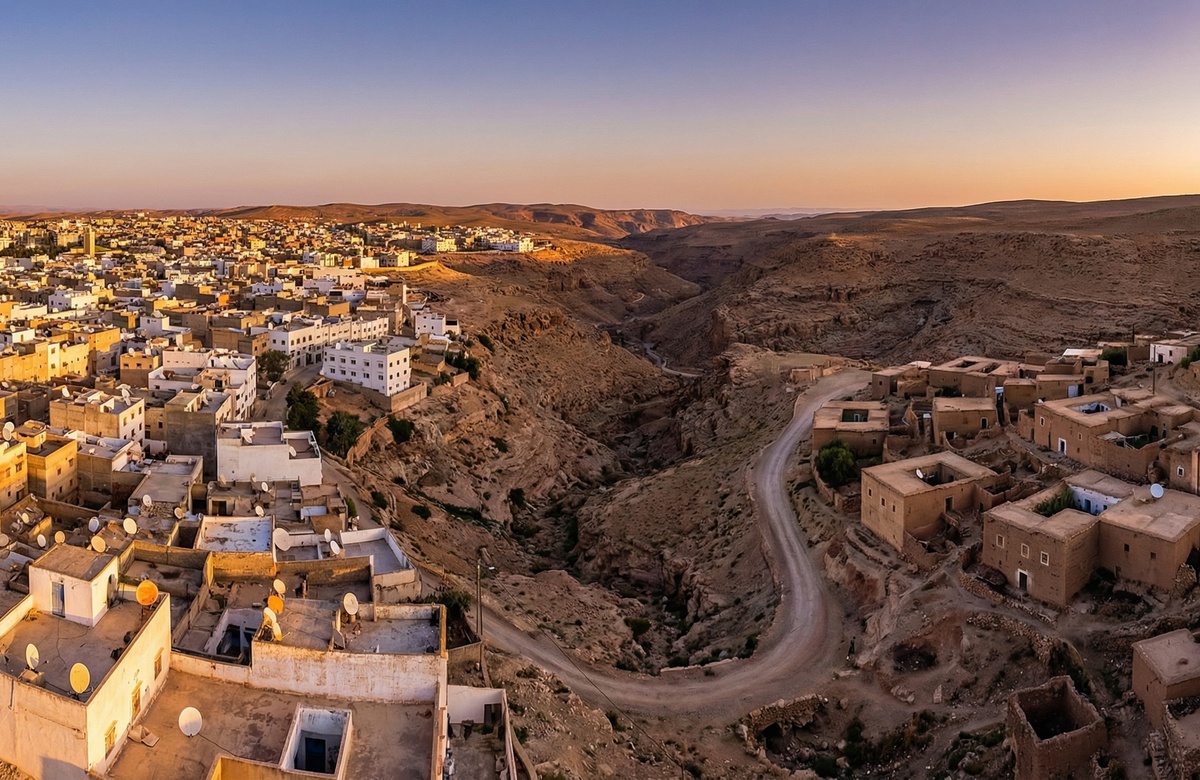
The digital divide in rural North Africa stems from a combination of economic, infrastructural, and social factors. Limited access to affordable and reliable internet is one of the primary barriers. Many rural areas lack the necessary infrastructure, such as fiber-optic networks and cellular towers, to deliver high-speed connectivity. This infrastructure gap is compounded by the high cost of devices and data plans, making technology inaccessible to low-income households.
Another key factor is digital illiteracy. In many rural communities, individuals lack the skills needed to use digital tools effectively, limiting their ability to engage with online resources and services. Gender disparities further exacerbate this divide, with women and girls in some areas facing cultural and social barriers to technology adoption.
Impacts of the Digital Divide
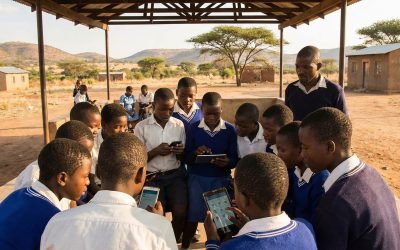
The lack of digital access has profound implications for rural communities in North Africa. In education, students in underserved areas are unable to benefit from online learning platforms and digital resources, widening the gap between urban and rural schools. This digital exclusion also limits access to healthcare services, such as telemedicine, which could provide vital support to remote populations.
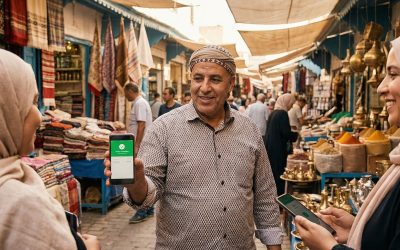
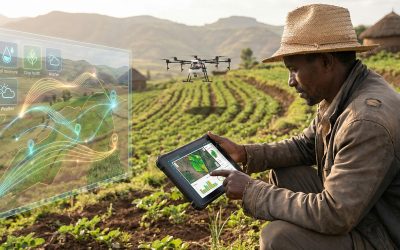
Economically, the digital divide prevents rural entrepreneurs from reaching broader markets and leveraging e-commerce platforms to grow their businesses. Farmers, for instance, miss out on real-time weather forecasts and market price updates that could optimize agricultural productivity and profits. These limitations perpetuate cycles of poverty and hinder rural development.
Initiatives to Bridge the Divide
Governments, NGOs, and private sector stakeholders are working to close the digital divide through targeted interventions:
1. Expanding Infrastructure:
Investments in telecommunications infrastructure are bringing connectivity to previously unreachable areas. Algeria’s Digital Transformation Program and Morocco’s Rural Connectivity Initiative have made significant strides in expanding 4G networks and laying the groundwork for 5G. These efforts aim to ensure that even the most remote communities have access to reliable internet.
2. Subsidizing Devices and Data Plans:
To make technology more affordable, governments and organizations are introducing subsidies for devices and internet access. Initiatives like Tunisia’s Tech for All program provide low-cost smartphones and discounted data packages to rural families, enabling more people to go online.
3. Promoting Digital Literacy:
Education programs are equipping individuals with the skills needed to navigate the digital world. For example, Egypt’s ICT for Rural Development initiative offers workshops on basic computer skills, online communication, and digital business tools, empowering rural populations to engage with technology effectively.
4. Leveraging Mobile Technology:
Mobile-based solutions are bridging gaps in areas where broadband access remains limited. SMS-based platforms provide farmers with crop advice, market prices, and weather updates, while mobile banking services enable rural communities to access financial tools and transactions without needing physical bank branches.
Success Stories in Digital Inclusion
North Africa has seen notable progress in bridging the digital divide. In Morocco, the Maroc Digital 2025 strategy has connected thousands of rural schools to the internet, providing students with access to online learning resources. Similarly, Tunisia’s e-government platforms have brought essential services, such as document applications and tax filings, to rural residents.
Private sector initiatives have also played a role. Telecommunications companies, such as Orange Tunisia and Ooredoo Algeria, have launched programs to expand mobile network coverage and offer affordable data packages tailored to rural communities. These efforts have demonstrated the power of public-private partnerships in driving digital inclusion.
The Path Forward
Closing the digital divide in rural North Africa requires sustained efforts and collaboration among stakeholders. Governments must prioritize investments in infrastructure and digital literacy while fostering partnerships with private sector players to scale impact. Community-driven approaches that involve local leaders and organizations can ensure that interventions are culturally relevant and address the unique needs of rural populations.
As connectivity improves, digital inclusion will unlock new opportunities for education, healthcare, and economic growth in North Africa’s rural areas. By bridging the digital divide, the region can empower its underserved communities and create a more equitable and inclusive digital economy.
 WhatsApp for a Google-Ready Website