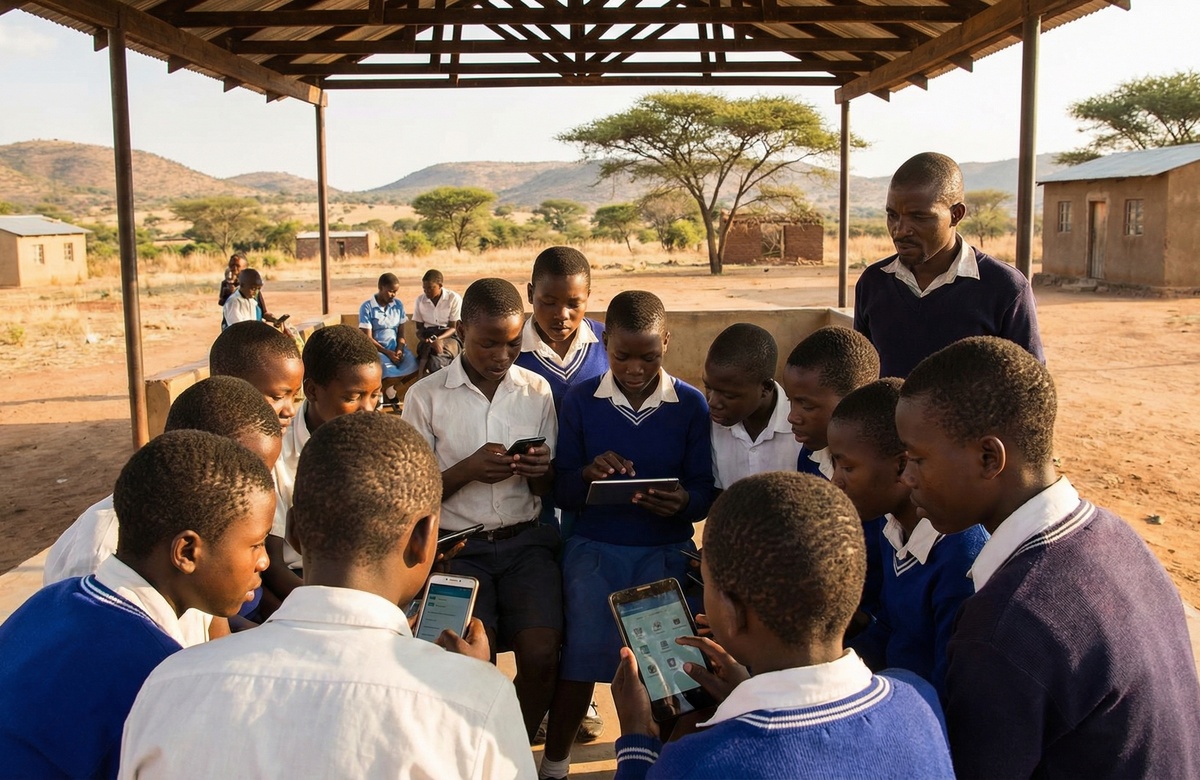
Education in rural and underserved areas across Africa has long faced challenges such as lack of infrastructure, trained teachers, and learning materials. However, mobile apps are emerging as powerful tools to bridge these gaps, bringing quality education to even the most remote communities. This article explores how mobile technology is transforming access to education and empowering learners across the continent.
Education Challenges in Rural Africa
For decades, education in rural areas has been constrained by several factors. Many communities lack physical schools, while those with schools often have overcrowded classrooms and insufficient teaching materials. Teacher shortages exacerbate the problem, leaving many children without access to quality education.
In this context, mobile apps offer a practical and scalable solution. By leveraging mobile technology, students can access educational resources, receive personalized instruction, and connect with teachers, regardless of their geographical location.
Transformative Mobile Apps in Education
1. Eneza Education
Eneza Education, originally launched in Kenya, is a mobile platform that provides students with interactive lessons and quizzes via SMS and web apps. The platform has been instrumental in improving literacy and numeracy skills, particularly in rural areas where internet access is limited.
2. uLesson
uLesson is a Nigerian app designed to help students prepare for exams by providing video tutorials, practice questions, and live sessions with teachers. The app has gained popularity in multiple African countries, offering a curriculum tailored to regional education standards.
3. M-Shule
Targeting primary school students, M-Shule uses artificial intelligence to deliver personalized learning experiences. The app adapts to each student’s pace and learning style, making education more accessible and engaging.
Benefits of Mobile Apps in Education
Mobile apps offer numerous advantages, particularly for students in underserved areas:
Accessibility: Apps work on basic smartphones, making them accessible even in communities with limited technology.
Cost-Effectiveness: Compared to building schools or hiring teachers, mobile education solutions are more affordable and scalable.
Flexibility: Students can learn at their own pace and revisit lessons as needed, enhancing retention and understanding.
Teacher Support: Mobile platforms also empower teachers with resources, training, and real-time data on student performance.
Challenges to Adoption
Despite their potential, mobile apps face barriers to widespread adoption:
Limited Connectivity: Many rural areas lack reliable internet or mobile network coverage, limiting app functionality.
Digital Literacy: Students, parents, and teachers in underserved regions may lack the skills needed to navigate digital platforms effectively.
Device Affordability: Smartphones remain out of reach for some households, preventing access to educational apps.
Strategies for Expanding Impact
To maximize the benefits of mobile education, stakeholders must address these challenges:
Infrastructure Development: Governments and private companies should prioritize expanding mobile and internet networks to underserved areas.
Affordable Devices: Partnerships with tech companies can make smartphones and tablets more affordable for low-income households.
Digital Literacy Programs: Training programs for students, parents, and teachers can enhance their ability to use mobile apps effectively.
Localized Content: Developing content in local languages and aligning it with regional curricula ensures relevance and inclusivity.
The Future of Mobile Education in Africa
Mobile apps are redefining the education landscape across Africa, offering innovative solutions to bridge gaps in access and quality. As technology continues to advance, the integration of artificial intelligence, gamification, and virtual reality into mobile learning platforms promises even greater opportunities for students and educators.
Conclusion: A Path to Inclusive Learning
Mobile apps have the potential to transform education in Africa, ensuring no child is left behind. By addressing challenges and scaling solutions, stakeholders can create an equitable and inclusive education system that empowers learners across the continent. The journey has just begun, but the impact is already profound.
 WhatsApp for a Google-Ready Website