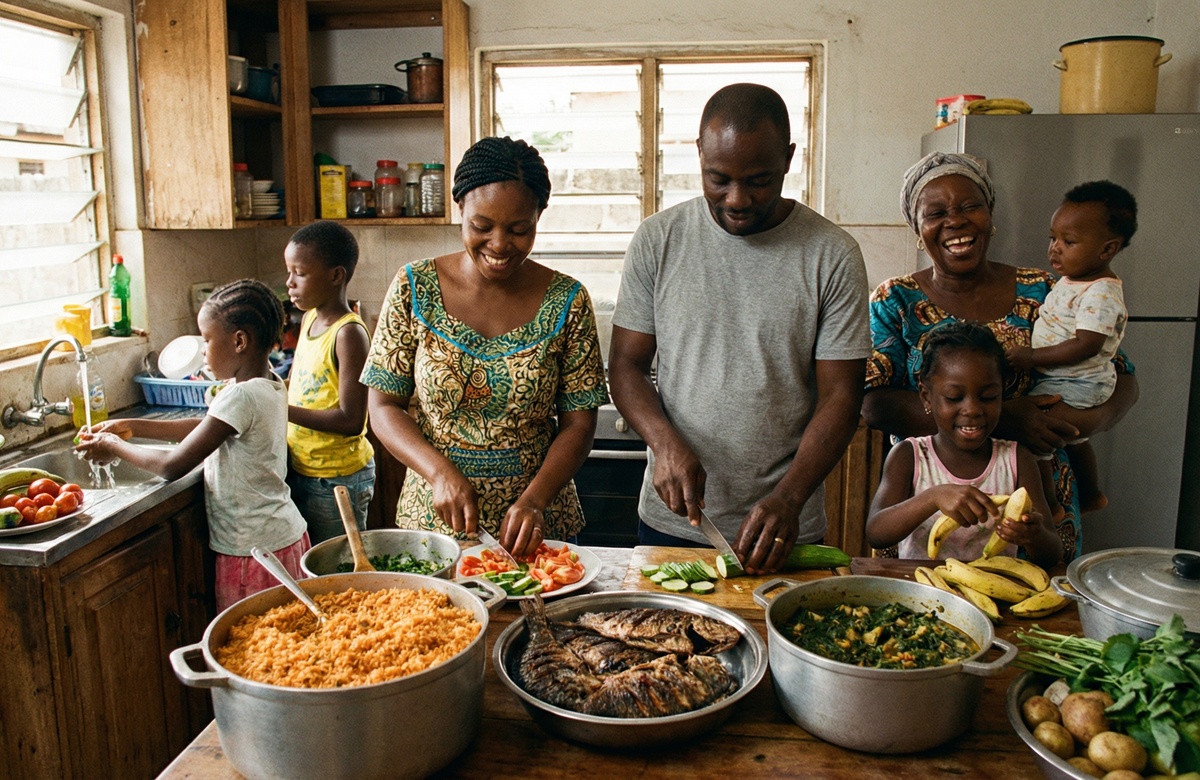
Maintaining a healthy lifestyle doesn’t have to be expensive. For many busy East African families, finding affordable ways to stay active, eat nutritious meals, and manage stress is a priority. This article explores practical, budget-friendly strategies for improving health while balancing the demands of work and family life.
The Importance of Healthy Living
A healthy lifestyle is essential for physical and mental well-being. It boosts energy, reduces the risk of chronic illnesses, and enhances overall quality of life. However, with rising living costs and busy schedules, families often find it challenging to prioritize their health. Simple, affordable adjustments can make a big difference without straining the household budget.
Affordable Nutrition: Eating Healthy Without Overspending
1. Prioritize Locally Grown Foods
Locally grown fruits, vegetables, and grains are often more affordable than imported options. Staples like sweet potatoes, cassava, and maize are rich in nutrients and widely available across East Africa. Buying from local markets not only saves money but also supports farmers in the community.
2. Plan and Prep Meals
Meal planning reduces waste and ensures balanced diets. Preparing meals in advance saves time and prevents reliance on processed, expensive fast foods. Families can prepare large batches of stews, soups, or beans, which are economical and nutritious.
3. Use Affordable Protein Sources
Protein is vital for a healthy diet, but it doesn’t have to come from expensive meat or fish. Affordable options like lentils, chickpeas, eggs, and peanuts are rich in protein and easy to incorporate into meals.
4. Avoid Sugary Drinks
Sugary sodas and juices can strain both health and budgets. Drinking water, infused with fruits like lemon or cucumber for flavor, is a healthier and cost-effective alternative.
Staying Active Without a Gym Membership
Exercise is key to a healthy lifestyle, but gym memberships and specialized classes can be costly. Families can stay active with simple, no-cost alternatives:
Walking or Jogging: Regular walks or jogs around the neighborhood provide excellent cardiovascular exercise.
Home Workouts: Use free online videos or mobile apps to follow workout routines at home.
Family Activities: Playing soccer, cycling, or gardening together not only promotes physical fitness but also strengthens family bonds.
Community Spaces: Utilize parks, open fields, or community centers for group exercises or recreational activities.
Managing Stress on a Budget
Stress management is a crucial aspect of healthy living, especially for busy families juggling work, school, and household responsibilities. Here are some affordable stress-relief methods:
Practice Mindfulness: Simple breathing exercises and mindfulness practices can reduce stress and improve mental clarity.
Create a Routine: Structured daily routines help families manage time efficiently, reducing feelings of overwhelm.
Unplug and Relax: Limit screen time and encourage activities like reading, drawing, or playing board games as a family.
Connect with Nature: Spending time outdoors in parks or near water bodies provides a calming effect and costs nothing.
Affordable Healthcare Practices
Preventive care is often cheaper than treatment. Families can adopt simple habits to maintain their health:
Hygiene: Regular handwashing and safe food handling prevent illnesses.
Home Remedies: Use affordable natural remedies like ginger, honey, and herbal teas for minor ailments.
Regular Checkups: Community health clinics often provide low-cost or free checkups and vaccinations.
Conclusion: Wellness Within Reach
Living a healthy lifestyle doesn’t require a hefty budget. By making small, thoughtful adjustments to nutrition, physical activity, and stress management, families can prioritize their health without overspending. Affordable, simple practices not only improve well-being but also foster a closer, more connected family life.
 WhatsApp for a Google-Ready Website