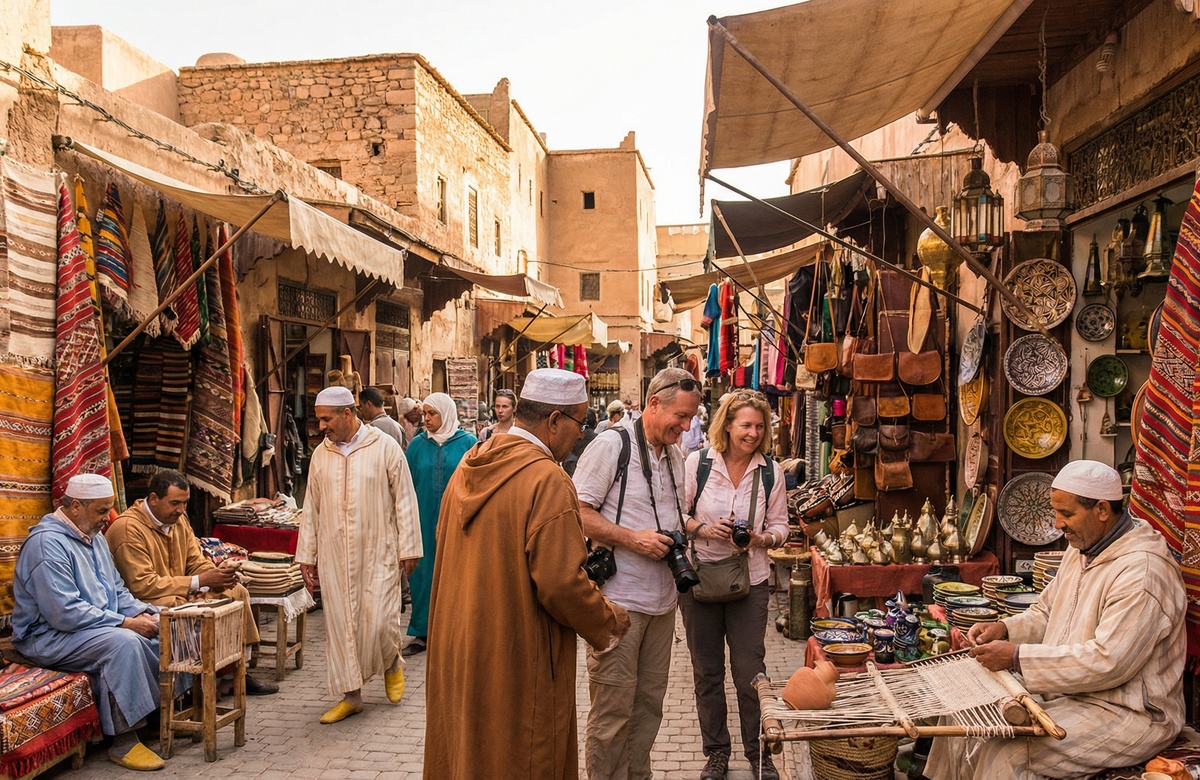
Tourism plays a pivotal role in fostering economic growth and social development in North Africa. Beyond contributing to national economies, tourism has a profound impact on local communities, generating income, preserving cultural heritage, and creating opportunities for sustainable development.
Economic Opportunities
Tourism is a significant source of income for local communities in North Africa, particularly in rural and underserved areas. By providing jobs in hospitality, transportation, and tour guiding, the industry offers direct employment opportunities. Artisans, food vendors, and small business owners also benefit from increased tourist activity, as visitors purchase locally made products and services.
For instance, the craft markets in Marrakesh and Fez thrive on the influx of tourists seeking authentic Moroccan goods, such as ceramics, textiles, and jewelry. Similarly, coastal towns in Tunisia and Algeria attract tourists who support local fishermen, restaurateurs, and service providers, fostering economic resilience at the community level.
Preservation of Cultural Heritage
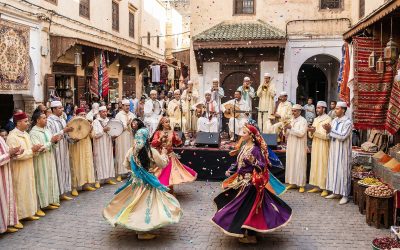
Tourism often acts as a catalyst for preserving and celebrating cultural heritage. Local communities gain a platform to showcase their traditions, crafts, and festivals, ensuring that these practices are passed down to future generations. Events like Morocco’s Gnaoua World Music Festival and Algeria’s Timgad Festival highlight the region’s rich cultural diversity, attracting global attention while empowering local artists and performers.
Revenue from tourism is frequently reinvested in preserving historical landmarks and cultural sites. For example, the restoration of ancient medinas and kasbahs in North Africa is partly funded by tourism-related initiatives, ensuring that these architectural treasures remain intact for both locals and visitors to enjoy.
Social Empowerment
Tourism promotes social empowerment by fostering pride in cultural identity and creating spaces for cross-cultural exchange. Women, in particular, benefit from tourism-related opportunities. In rural areas, women often engage in craft production, food preparation, and cooperative businesses, gaining financial independence and contributing to household incomes.
Community-based tourism initiatives also encourage collaboration among residents, strengthening social bonds and fostering a sense of collective purpose. Projects that involve locals in decision-making processes ensure that tourism development aligns with community priorities and values.
Sustainable Development
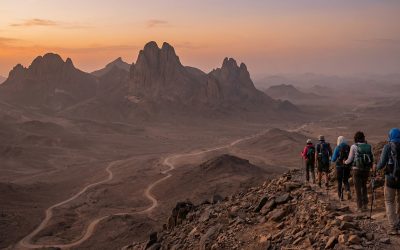
When managed responsibly, tourism can drive sustainable development by promoting environmental conservation and equitable resource distribution. Eco-tourism initiatives, such as those in Tunisia’s Ichkeul National Park or Morocco’s Atlas Mountains, emphasize the importance of protecting natural habitats while providing economic benefits to local populations.
By integrating sustainability into tourism practices, communities can reduce the environmental impact of tourism and ensure that natural and cultural assets remain viable for future generations. Recycling programs, energy-efficient accommodations, and low-impact tours are examples of how sustainability is being incorporated into North Africa’s tourism sector.
Challenges and Considerations
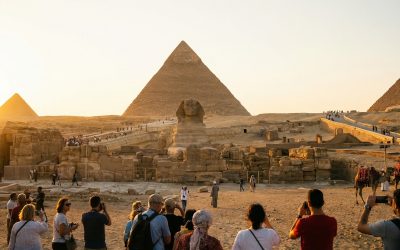
Despite its benefits, tourism can also pose challenges to local communities if not managed effectively. Over-tourism, for example, can strain infrastructure, deplete resources, and disrupt daily life. Additionally, the commodification of cultural practices can lead to a loss of authenticity, diminishing the value of traditional customs.
To address these challenges, governments and tourism stakeholders must prioritize community involvement in tourism planning. Education and awareness campaigns can help visitors adopt responsible travel practices, ensuring that their presence contributes positively to the communities they visit.
The Path Forward
Tourism in North Africa holds immense potential to uplift local communities while promoting cultural and environmental stewardship. By embracing inclusive and sustainable tourism models, the region can maximize the benefits of tourism while mitigating its challenges. Empowering communities to take ownership of tourism initiatives ensures that the industry grows in harmony with local needs and aspirations.
As North Africa continues to welcome visitors from around the world, fostering meaningful connections between tourists and communities will remain at the heart of its tourism success story.
 WhatsApp for a Google-Ready Website