Egypt, renowned for its unparalleled history and archaeological treasures, is a dream destination for travelers seeking to explore the past. From ancient temples and pyramids to medieval mosques and fortresses, Egypt offers a journey through time that captivates visitors. This guide highlights some of Egypt’s most iconic historical sites, providing insights into their significance and tips for an enriching travel experience.
The Great Pyramids of Giza and the Sphinx
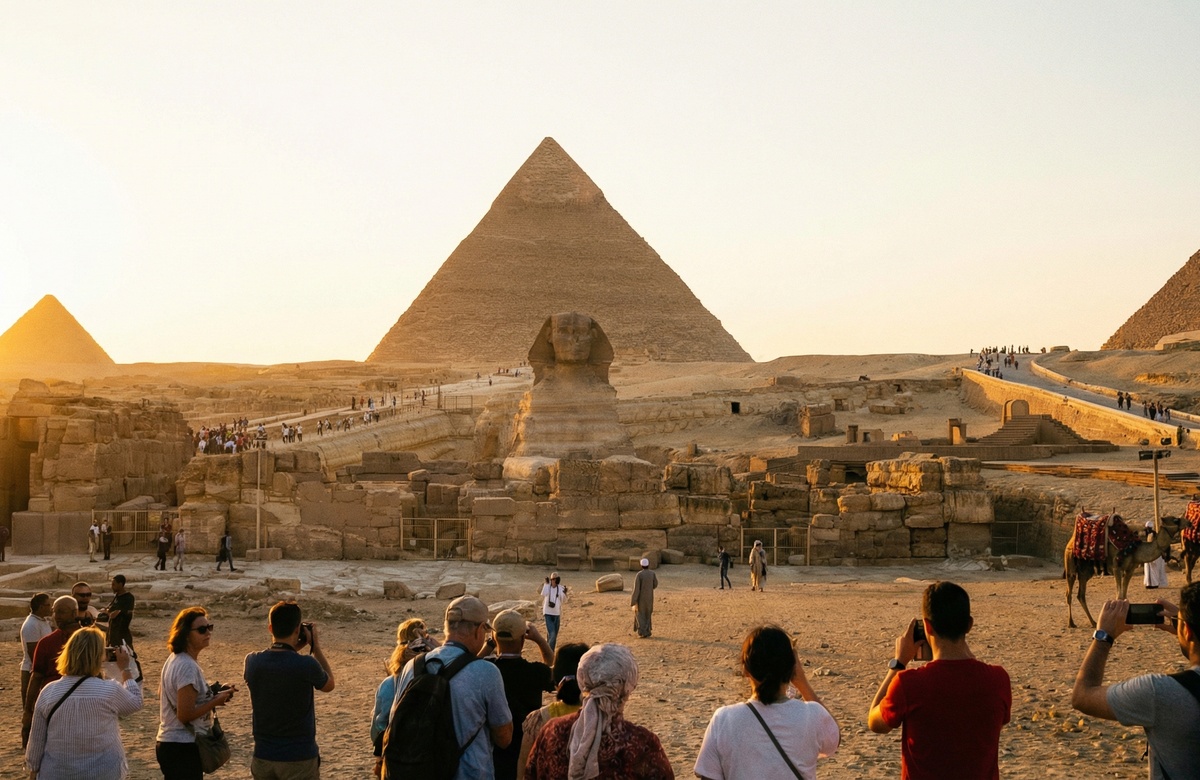
No visit to Egypt is complete without a trip to the Giza Plateau, home to the Great Pyramids and the enigmatic Sphinx. As one of the Seven Wonders of the Ancient World, the pyramids stand as a testament to the ingenuity of ancient Egyptian civilization. Visitors can explore the interiors of the pyramids, marvel at the architectural precision, and learn about the pharaohs who commissioned these monumental structures.
The nearby Sphinx, with its lion’s body and human head, adds an aura of mystery to the site. Guided tours often include insights into the myths and legends surrounding this iconic monument, enriching the visitor experience.
Luxor and the Valley of the Kings
Often referred to as the world’s greatest open-air museum, Luxor is a treasure trove of ancient Egyptian history. The Karnak and Luxor Temples, with their towering columns and intricate carvings, provide a glimpse into the grandeur of ancient religious practices. The Avenue of Sphinxes, recently restored, offers a majestic pathway connecting these two temples.
Across the Nile lies the Valley of the Kings, where pharaohs and nobles were buried in elaborate tombs. The tomb of Tutankhamun, with its well-preserved artifacts, is a highlight for visitors. Travelers can also explore the nearby Valley of the Queens and the Mortuary Temple of Hatshepsut, each showcasing unique aspects of ancient Egyptian culture.
Abu Simbel Temples
Located near Egypt’s southern border, the Abu Simbel Temples are a marvel of ancient engineering. Carved into a mountainside during the reign of Ramses II, these temples were designed to showcase the pharaoh’s power and devotion to the gods. The temples were relocated in the 1960s to save them from flooding caused by the construction of the Aswan High Dam, an impressive feat of modern engineering.
Visitors can admire the colossal statues of Ramses II and the intricate carvings that depict scenes of military victories and religious ceremonies. The biannual solar alignment phenomenon, when sunlight illuminates the temple’s inner sanctuary, is a spectacular event that draws travelers from around the world.
Islamic Cairo
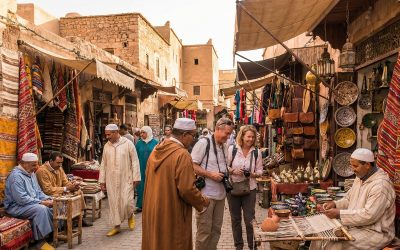
For those interested in Egypt’s medieval history, Islamic Cairo offers a rich tapestry of mosques, madrasas, and bazaars. The Citadel of Saladin, a UNESCO World Heritage Site, provides panoramic views of the city and houses the iconic Mosque of Muhammad Ali. The Al-Azhar Mosque and Khan el-Khalili bazaar offer a vibrant glimpse into Egypt’s Islamic heritage.
Strolling through the historic streets, visitors can experience the fusion of architectural styles and the enduring legacy of Islamic art and culture. Guided tours often include stops at lesser-known gems, such as the Beit El-Suhaymi house, which showcases Ottoman-era residential architecture.
Alexandria’s Ancient Wonders
Once a hub of intellectual and cultural activity, Alexandria boasts historical sites that reflect its storied past. The Catacombs of Kom El Shoqafa, an underground necropolis, reveal a fascinating blend of Egyptian, Greek, and Roman influences. The Qaitbay Citadel, built on the site of the ancient Lighthouse of Alexandria, offers stunning views of the Mediterranean Sea.
The Bibliotheca Alexandrina, a modern cultural complex, pays homage to the city’s ancient library and serves as a center for knowledge and learning. Visitors can explore its vast collections, exhibitions, and architectural design, which symbolize the connection between past and present.
Tips for Exploring Egypt’s Historical Sites
Hire a Knowledgeable Guide: Guided tours provide valuable context and stories that bring Egypt’s historical sites to life.
Plan for the Weather: Egypt’s climate can be harsh, so visiting early in the morning or late in the afternoon is advisable.
Respect Local Customs: Modest clothing and respectful behavior are recommended, particularly at religious sites.
Buy Tickets in Advance: Popular sites like the Giza Pyramids and Abu Simbel can attract large crowds, so securing tickets ahead of time ensures a smoother experience.
Why Egypt’s Historical Sites Matter
Egypt’s historical sites are more than just tourist attractions—they are windows into the past that connect modern visitors with ancient civilizations. By preserving and promoting these treasures, Egypt continues to inspire awe and curiosity, drawing travelers from around the globe.
As a destination that seamlessly blends history, culture, and adventure, Egypt offers an unparalleled experience for those eager to explore its timeless wonders.
 WhatsApp for a Google-Ready Website