E-commerce is revolutionizing the way small businesses operate in Algeria, providing them with access to broader markets, streamlined operations, and increased revenue potential. As digital adoption accelerates, small businesses are leveraging online platforms to reach new customers and compete in an increasingly globalized economy. This article explores the opportunities available for small businesses in Algeria’s e-commerce sector, the challenges they face, and strategies for success.
The Growing E-Commerce Landscape in Algeria
Algeria’s e-commerce sector has witnessed significant growth in recent years, driven by rising internet penetration, increased smartphone usage, and government support for digital transformation. Platforms like Jumia and Echrily offer small businesses the opportunity to showcase their products to a wider audience, breaking down traditional geographic barriers.
The COVID-19 pandemic further accelerated e-commerce adoption, as businesses turned to online platforms to maintain operations during lockdowns. This shift has highlighted the importance of digital channels for small businesses seeking resilience and growth.
Opportunities for Small Businesses
1. Expanding Market Reach
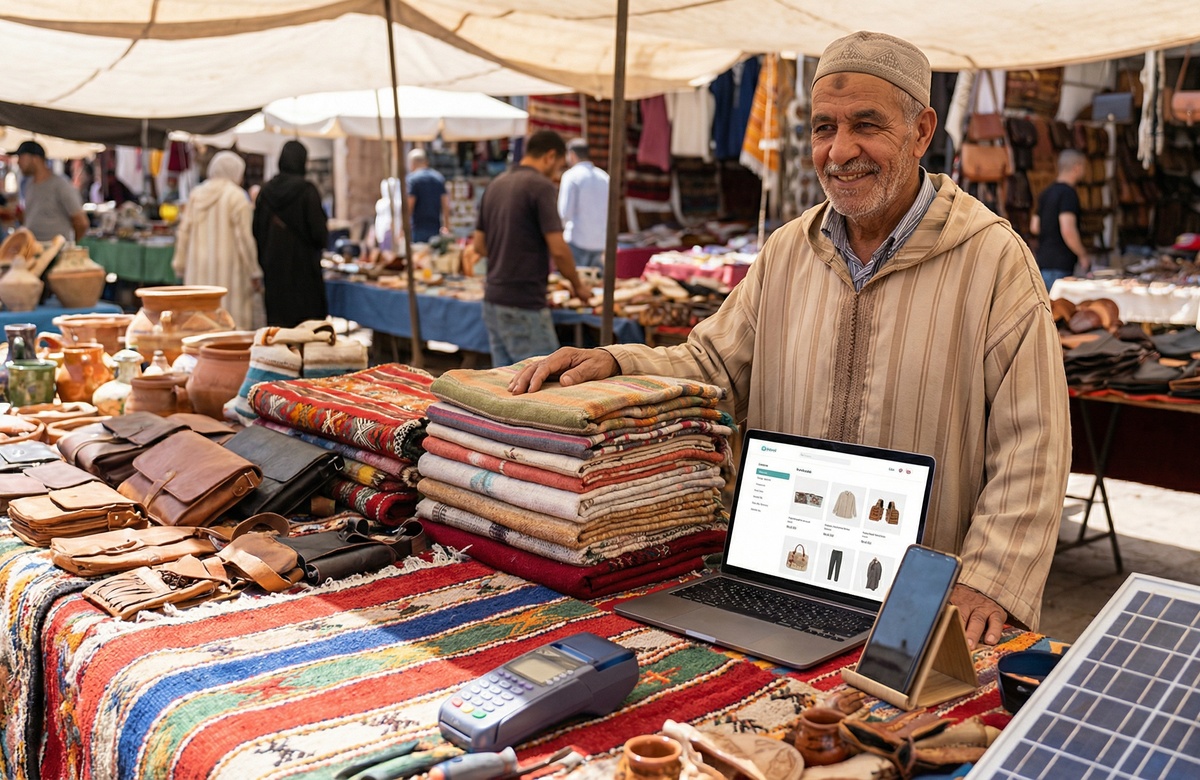
E-commerce platforms enable small businesses to reach customers beyond their immediate locality, tapping into national and even international markets. This expanded reach is particularly beneficial for businesses in rural areas, where traditional retail infrastructure may be limited.
2. Lower Operating Costs
Operating an online store reduces the overhead costs associated with physical storefronts, such as rent and utilities. Small businesses can reinvest these savings into marketing, inventory, or technology upgrades, enhancing their competitiveness.
3. Access to Digital Tools
E-commerce platforms provide small businesses with access to tools like inventory management, customer analytics, and marketing automation. These tools help businesses optimize operations, understand customer behavior, and develop targeted marketing strategies.
4. Integration with Mobile Payments
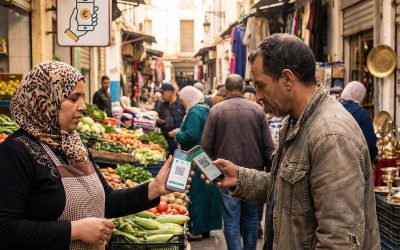
The integration of mobile payment solutions, such as BaridiMob and Edahabia, simplifies transactions and builds customer trust. These secure and convenient payment methods support the growth of e-commerce by facilitating online purchases.
Challenges Facing Small Businesses in E-Commerce
Despite its potential, small businesses in Algeria face several challenges in adopting e-commerce:
Limited Digital Skills: Many small business owners lack the technical expertise needed to set up and manage online stores effectively.
Logistical Barriers: Inconsistent delivery infrastructure and high shipping costs can hinder the success of e-commerce ventures.
Consumer Trust: Building trust among consumers unfamiliar with online shopping is a significant hurdle, particularly in rural areas where cash-on-delivery remains the preferred payment method.
Regulatory Issues: Navigating e-commerce regulations, including taxes and import/export requirements, can be complex for small businesses.
Strategies for Success
To overcome these challenges and thrive in Algeria’s e-commerce sector, small businesses can adopt the following strategies:
Invest in Digital Skills: Participating in training programs or workshops on e-commerce, digital marketing, and website management equips business owners with the knowledge needed to succeed online.
Leverage Local Platforms: Partnering with established e-commerce platforms that cater to Algerian consumers ensures access to a ready customer base and reliable support services.
Focus on Customer Experience: Offering fast delivery, responsive customer service, and secure payment options builds trust and encourages repeat purchases.
Promote Products Creatively: Utilizing social media and influencer partnerships allows businesses to create engaging campaigns that attract attention and drive sales.
The Role of Government and Industry Support
The Algerian government has recognized the potential of e-commerce to drive economic growth and has introduced initiatives to support small businesses. Programs such as subsidies for digital transformation, tax incentives for online businesses, and investments in logistics infrastructure aim to create a conducive environment for e-commerce growth.
Collaboration with private sector players, including technology companies and payment providers, further enhances the ecosystem by offering innovative solutions tailored to the needs of small businesses.
The Future of E-Commerce for Small Businesses in Algeria
As Algeria continues its digital transformation, e-commerce offers a pathway for small businesses to thrive in an increasingly connected world. By embracing digital tools, building trust with customers, and navigating challenges effectively, small businesses can unlock new opportunities and contribute to the country’s economic development.
The journey toward e-commerce success requires persistence, adaptability, and support from stakeholders, but the rewards—expanded markets, increased revenue, and resilience—make it a worthwhile endeavor.
 WhatsApp for a Google-Ready Website