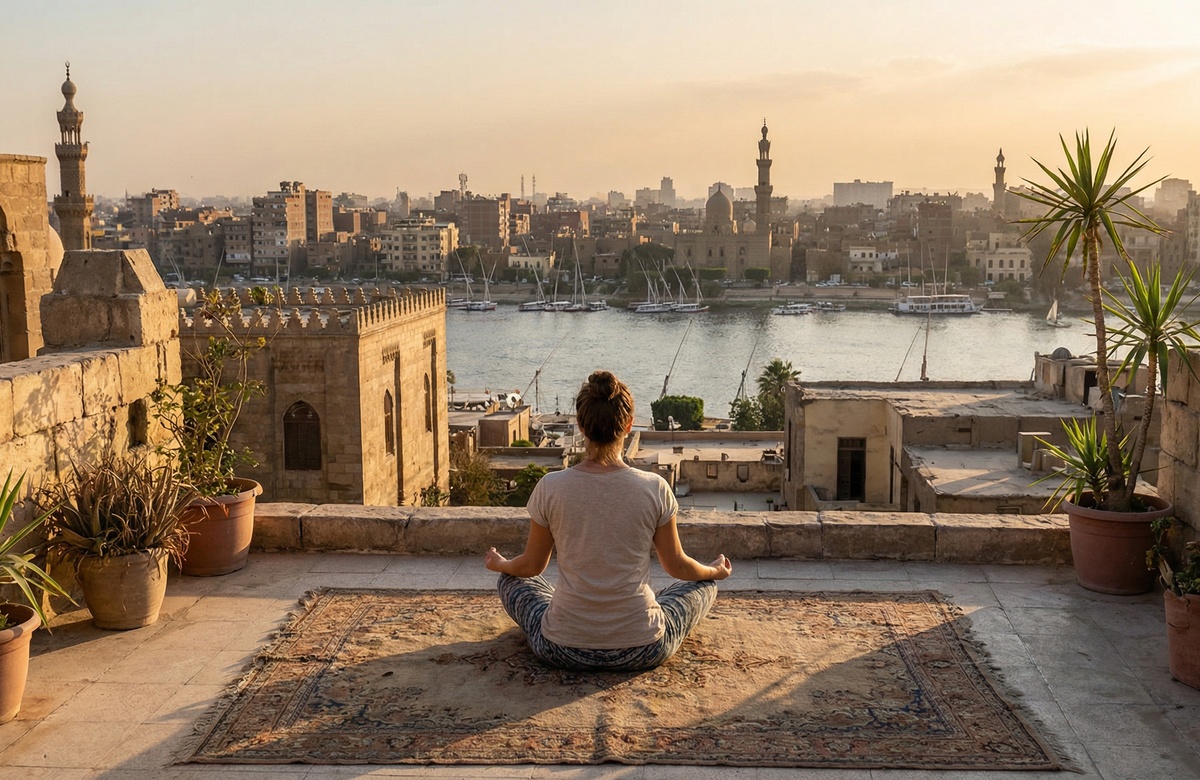
In today’s fast-paced world, managing stress is essential for maintaining mental and physical well-being. Yoga, an ancient practice that combines physical postures, breathing techniques, and meditation, has emerged as a popular stress management tool in North Africa. This beginner’s guide explores how yoga can help reduce stress and offers practical tips for starting your yoga journey.
Why Yoga is Effective for Stress Management
Yoga’s holistic approach addresses both the body and mind, making it an effective way to combat stress. The physical postures, or asanas, release tension and improve flexibility, while controlled breathing, or pranayama, calms the nervous system. Meditation and mindfulness practices within yoga foster mental clarity and emotional resilience.
Scientific studies have shown that yoga reduces cortisol levels, the hormone associated with stress, and improves overall well-being. Its adaptability makes it accessible to individuals of all ages and fitness levels.
Getting Started with Yoga
1. Choose the Right Environment
Begin your yoga practice in a quiet and comfortable space where you can focus without distractions. Whether at home, in a park, or at a yoga studio, creating a peaceful environment enhances the experience.
2. Start with Simple Postures
Begin with basic poses that are easy to learn and perform, such as:
Child’s Pose (Balasana): A resting posture that promotes relaxation.
Cat-Cow Pose (Marjaryasana-Bitilasana): A gentle stretch for the spine and neck.
Downward Dog (Adho Mukha Svanasana): A foundational pose that relieves tension and improves circulation.
3. Practice Controlled Breathing
Incorporate deep breathing exercises, such as diaphragmatic breathing or alternate nostril breathing, to calm the mind and reduce stress.
4. Explore Guided Sessions
For beginners, guided yoga sessions led by instructors or available through apps and online platforms can provide structure and ensure correct technique. Many programs in North Africa cater specifically to newcomers, offering classes in Arabic, French, and English.
Integrating Yoga into Your Routine
Consistency is key to reaping the benefits of yoga. Start with short sessions of 10–15 minutes and gradually increase the duration as you become more comfortable. Scheduling your practice at the same time each day helps establish a routine, whether it’s in the morning to energize your day or in the evening to unwind.
The Broader Benefits of Yoga
Beyond stress management, yoga improves physical health by enhancing flexibility, strength, and balance. It also supports mental health by reducing symptoms of anxiety and depression. For many practitioners, yoga becomes a lifestyle that fosters mindfulness, gratitude, and a deeper connection to oneself.
Overcoming Common Barriers
While yoga is accessible, some individuals may feel intimidated or unsure of where to begin. Overcome these barriers by:
Starting with beginner-friendly resources, such as introductory videos or group classes.
Setting realistic expectations and focusing on personal progress rather than perfection.
Seeking community support through local yoga groups or online forums.
Yoga in North Africa: A Growing Trend
Yoga’s popularity is growing across North Africa, with studios and wellness retreats offering classes tailored to diverse needs. From Marrakech to Tunis, yoga events and workshops are bringing communities together, promoting holistic health and stress management.
As more people embrace yoga, its positive impact on physical and mental well-being continues to spread, making it an invaluable tool for managing the stresses of modern life.
 WhatsApp for a Google-Ready Website