In Central Africa, rural communities often face challenges in accessing fitness resources due to limited infrastructure, economic constraints, and lack of awareness about the importance of physical activity. However, affordable fitness solutions tailored to local needs can transform health outcomes, promote wellness, and foster community engagement. This article explores practical, cost-effective strategies to encourage fitness in rural Central Africa and their broader impact on community well-being.
The Importance of Fitness in Rural Communities
Physical fitness is essential for preventing lifestyle diseases such as hypertension, diabetes, and obesity, which are increasingly affecting rural populations. Regular physical activity also improves mental health, boosts energy levels, and enhances overall quality of life. For communities in Central Africa, where healthcare access is often limited, promoting fitness is a proactive way to address health challenges and empower individuals.
Challenges to Fitness in Rural Areas
Rural communities in Central Africa face unique obstacles to engaging in fitness activities. Economic constraints often make gym memberships or professional fitness equipment inaccessible. Additionally, cultural perceptions about exercise may limit participation, particularly among women and older individuals. Infrastructure, such as sports facilities or safe walking paths, is often inadequate or non-existent in many areas.
Affordable Fitness Solutions for Rural Communities
Utilizing Open Spaces
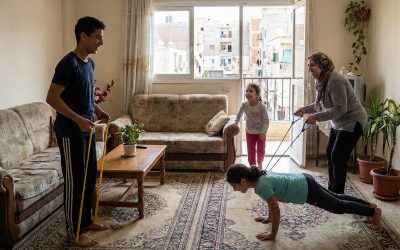
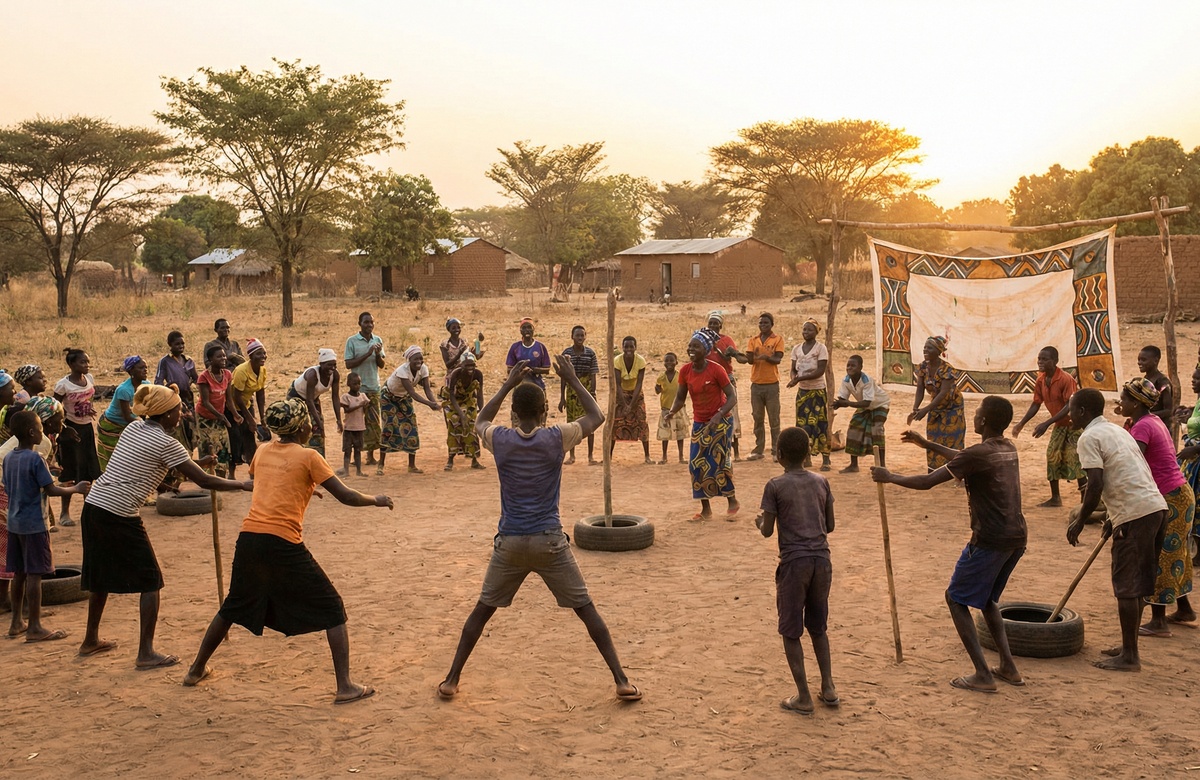
Rural areas often have ample open spaces that can be transformed into fitness zones. Simple initiatives like organizing group workouts or fitness classes in community centers, schools, or fields provide opportunities for physical activity without requiring expensive infrastructure.
Traditional Games and Sports
Cultural activities such as traditional wrestling, dance, and local games like kadi kadi are excellent ways to promote fitness while preserving heritage. These activities engage people of all ages and foster community participation.
Walking and Cycling Initiatives
Walking and cycling are cost-effective forms of exercise that require minimal resources. Community-led initiatives like walking clubs or organized bike rides encourage regular physical activity and social interaction.
DIY Fitness Equipment
Low-cost, improvised fitness tools, such as using tires for obstacle courses or wooden planks for balance exercises, make exercise accessible to everyone. These tools can be made using locally available materials, ensuring sustainability and affordability.
Fitness Education and Awareness Campaigns
Educating communities about the benefits of physical activity and simple ways to stay active is crucial. Health workers and local leaders can organize workshops to teach exercises and emphasize the importance of fitness in maintaining health.
The Role of Partnerships and Community Involvement
Partnerships with NGOs, local governments, and businesses can provide resources and support for rural fitness programs. For instance, companies can sponsor equipment or organize fitness challenges, while NGOs can train fitness coaches to lead community activities. Involving local leaders and influencers ensures that programs are culturally sensitive and widely accepted.
Community involvement is critical for the success of fitness initiatives. By encouraging residents to take ownership of programs, such as managing walking groups or maintaining fitness spaces, these initiatives become sustainable and impactful.
Success Stories from Central Africa
In Chad, a community-led program called Fit for Health has successfully integrated traditional dance into weekly fitness sessions. This initiative has gained popularity among women and youth, fostering both physical and social benefits.
In rural Cameroon, a cycling club started with just five members and has grown to include over 50 participants. The club not only promotes fitness but also raises awareness about road safety and environmental conservation.
The Broader Impact of Fitness Solutions
Affordable fitness initiatives have far-reaching benefits beyond physical health. They strengthen community bonds, provide opportunities for youth engagement, and reduce the risk of non-communicable diseases. As individuals become healthier, their productivity and capacity to contribute to community development also improve.
Conclusion: Empowering Communities Through Fitness
Fitness is not a luxury—it is a necessity for healthy and thriving communities. By implementing affordable and accessible solutions, rural Central Africa can overcome barriers to physical activity and create a culture of wellness. These initiatives, rooted in local contexts, have the potential to transform lives and pave the way for a healthier future.
 WhatsApp for a Google-Ready Website