E-commerce in rural Ethiopia is a growing frontier, offering businesses and consumers opportunities to connect in ways that were previously inaccessible. However, operating in these regions comes with unique challenges, from limited infrastructure to low digital literacy. Building a resilient e-commerce business in rural Ethiopia requires innovative strategies and a deep understanding of local needs. This article outlines how businesses can overcome these obstacles and thrive in underserved areas.
The E-Commerce Potential in Rural Ethiopia
Rural Ethiopia is home to the majority of the country’s population, representing an untapped market for e-commerce. The rise of mobile connectivity and the Ethiopian government’s Digital Ethiopia 2025 strategy have opened doors for businesses to reach rural consumers. Platforms like Telebirr, Ethiopia’s mobile payment solution, are making it easier to facilitate online transactions in areas with limited banking infrastructure.
The demand for essential goods, agricultural tools, and educational materials presents significant opportunities for e-commerce businesses willing to invest in these regions.
Challenges of E-Commerce in Rural Ethiopia
1. Limited Internet and Mobile Coverage
While connectivity is improving, many rural areas still lack reliable internet and mobile networks, restricting access to online marketplaces.
2. Inadequate Logistics Infrastructure
Poor road networks and the absence of last-mile delivery services make it difficult to transport goods efficiently.
3. Low Digital Literacy
Many rural consumers are unfamiliar with e-commerce platforms, requiring education and support to adopt online shopping.
4. Trust Issues
A lack of trust in digital payments and concerns about product quality deter some consumers from embracing e-commerce.
Strategies for Building Resilient E-Commerce Businesses
1. Leverage Mobile Technology
Mobile phones are more widely available than computers in rural Ethiopia. Optimizing e-commerce platforms for mobile use ensures greater accessibility. Integrating with mobile money solutions like Telebirr also simplifies transactions for unbanked populations.
2. Establish Local Distribution Hubs
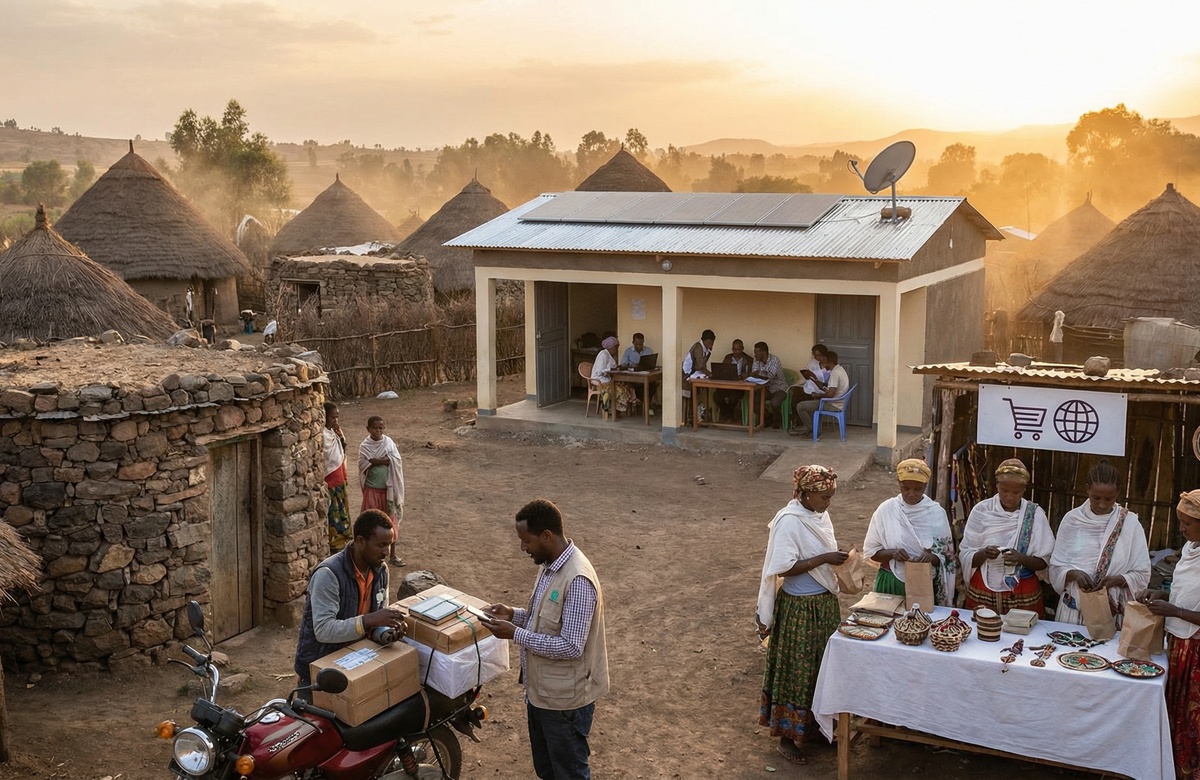
Creating small distribution hubs in rural towns can reduce delivery times and costs. These hubs can serve as collection points where consumers pick up their orders, eliminating the need for extensive last-mile delivery.
3. Partner with Local Communities
Collaborating with local businesses and cooperatives fosters trust and ensures that products and services meet community needs. Local partners can also assist with delivery and customer education.
4. Offer Cash-on-Delivery Options
While promoting digital payments is essential, providing cash-on-delivery as an alternative can attract hesitant consumers and build trust in e-commerce.
5. Provide Customer Education
Running workshops and campaigns to teach consumers how to use e-commerce platforms can bridge the digital literacy gap. Businesses can also provide step-by-step guides in local languages to make online shopping more accessible.
6. Focus on Affordable and Relevant Products
Offering products that cater to rural needs, such as farming equipment, solar lanterns, and educational materials, ensures that the business adds value to the community.
Success Stories in Rural Ethiopian E-Commerce
Case Study: Telebirr’s Impact on Mobile Payments
Telebirr, launched by Ethio Telecom, has become a game-changer in rural Ethiopia. By allowing consumers to make payments directly from their phones, it has increased trust in digital transactions and facilitated e-commerce growth in underserved areas.
Case Study: Solagrow’s E-Commerce Platform
Solagrow, an agribusiness in Ethiopia, uses an e-commerce platform to sell high-quality seeds and farming tools to rural farmers. By partnering with local cooperatives for delivery, Solagrow has streamlined its operations and expanded its reach.
Benefits of E-Commerce in Rural Areas
Empowering Consumers
E-commerce provides rural consumers with access to goods and services that were previously out of reach, improving their quality of life.
Boosting Local Economies
By creating jobs in logistics, sales, and customer service, e-commerce stimulates economic activity in rural areas.
Reducing Urban Migration
When rural residents have access to products and opportunities locally, they are less likely to migrate to urban centers in search of better living conditions.
Promoting Sustainability
E-commerce reduces the need for physical retail spaces, lowering environmental impacts associated with transportation and infrastructure development.
The Future of E-Commerce in Rural Ethiopia
With the right investments in infrastructure, education, and technology, e-commerce can become a powerful tool for driving rural development in Ethiopia. By addressing local challenges and building trust with communities, businesses can unlock the potential of this untapped market. As connectivity improves and consumer awareness grows, rural Ethiopia is set to become a key driver of the country’s digital economy.
Conclusion: Unlocking Opportunities in Rural Ethiopia
Building a resilient e-commerce business in rural Ethiopia requires innovation, adaptability, and a commitment to serving local communities. By overcoming logistical and cultural challenges, businesses can create lasting value for consumers while driving economic growth. With rural Ethiopia’s vast market potential, the future of e-commerce in these regions is bright.
 WhatsApp for a Google-Ready Website