Women are the backbone of Chad’s agricultural sector, contributing significantly to food production and rural development. Despite their crucial role, they often face systemic challenges, such as limited access to resources, land ownership barriers, and lack of training. This article celebrates the achievements of female farmers in Chad who are transforming their communities and highlights pathways to further empower them.
Women’s Role in Chad’s Agriculture
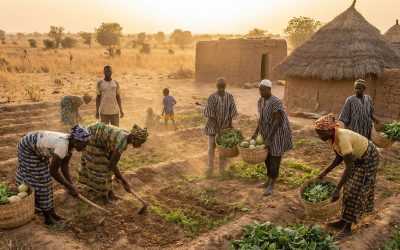
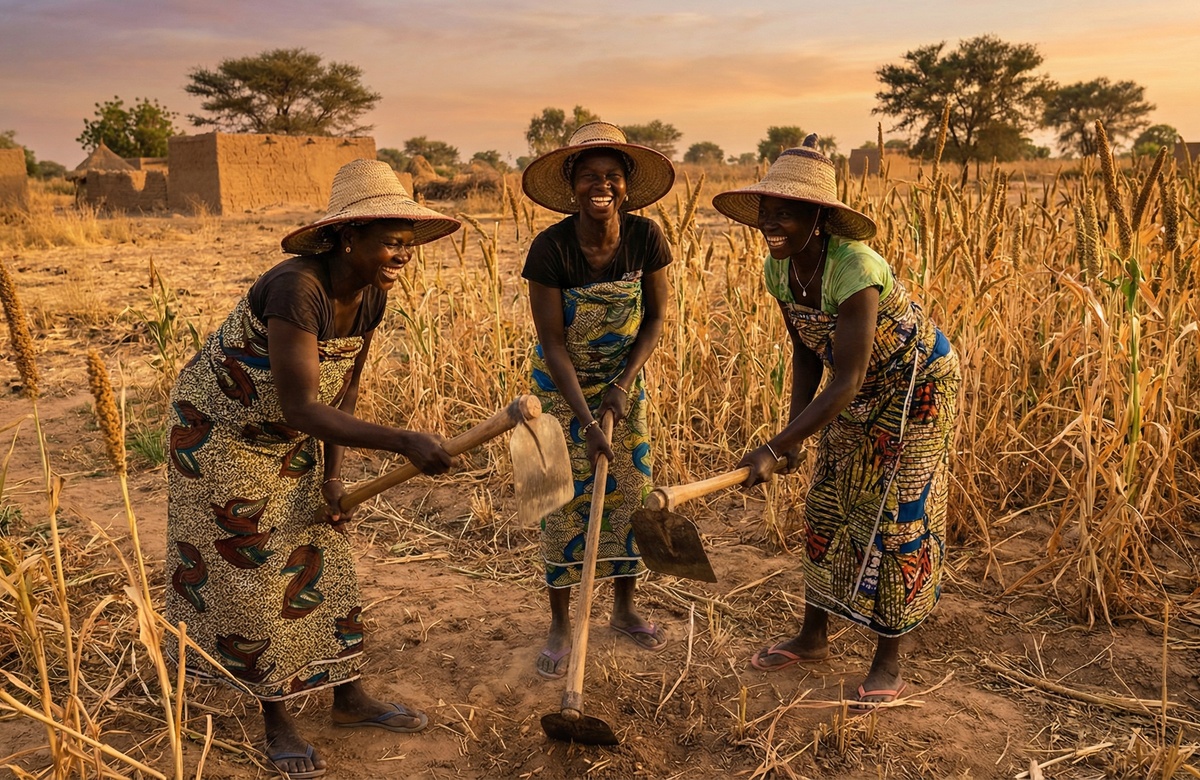
In Chad, women are deeply involved in farming activities, from planting and harvesting to processing and selling produce. Studies indicate that women contribute to more than 60% of agricultural labor, yet they control less than 15% of the land they cultivate. Their resilience and innovation are pivotal in ensuring household food security, particularly in rural areas.
Success Stories of Empowerment
1. Aida’s Agroforestry Initiative
Aida, a farmer in southern Chad, introduced agroforestry practices on her family’s farm, planting fast-growing trees alongside staple crops. Her efforts not only improved soil fertility but also provided firewood and additional income through fruit sales. Today, Aida trains other women in her community to adopt agroforestry, fostering sustainable practices and economic empowerment.
2. Halima’s Cooperative for Drought-Resilient Crops
Halima formed a women’s cooperative to cultivate drought-resistant crops such as millet and sorghum. By pooling resources, her cooperative accessed better seeds, fertilizers, and market opportunities. The cooperative has significantly increased yields, enhanced income levels, and empowered women to take leadership roles in their communities.
3. Fatima’s Organic Fertilizer Project
Fatima, a widowed farmer, began composting agricultural waste to produce organic fertilizers. Her innovative approach reduced farming costs and improved soil health. She now runs workshops to teach other women these techniques, promoting sustainable agriculture while boosting their productivity and incomes.
Challenges Facing Women Farmers
Despite their successes, women in Chad still face considerable obstacles:
Land Ownership: Cultural norms often prevent women from owning or inheriting land, limiting their ability to expand farming activities.
Access to Finance: Women struggle to secure loans due to lack of collateral and financial literacy, hindering investment in better farming tools and technology.
Training Gaps: Limited access to agricultural education restricts their ability to adopt modern farming practices and improve efficiency.
Supporting Women Through Policy and Partnerships
Government Interventions
Chad’s government has introduced policies to address gender inequality in agriculture, such as initiatives to increase women’s access to land and finance. However, implementation remains a challenge and requires stronger enforcement mechanisms.
NGO and Private Sector Support
Non-governmental organizations like CARE International and the World Food Programme are providing training, resources, and market access to female farmers. Partnerships with private companies are also crucial in creating inclusive supply chains and fostering economic opportunities.
Harnessing the Power of Women
Women farmers in Chad are catalysts for change, driving agricultural innovation and community development. By addressing systemic barriers and providing the support they need, Chad can unlock the full potential of its agricultural sector and achieve sustainable growth. Success stories like Aida’s, Halima’s, and Fatima’s prove that when women thrive, entire communities benefit.
 WhatsApp for a Google-Ready Website