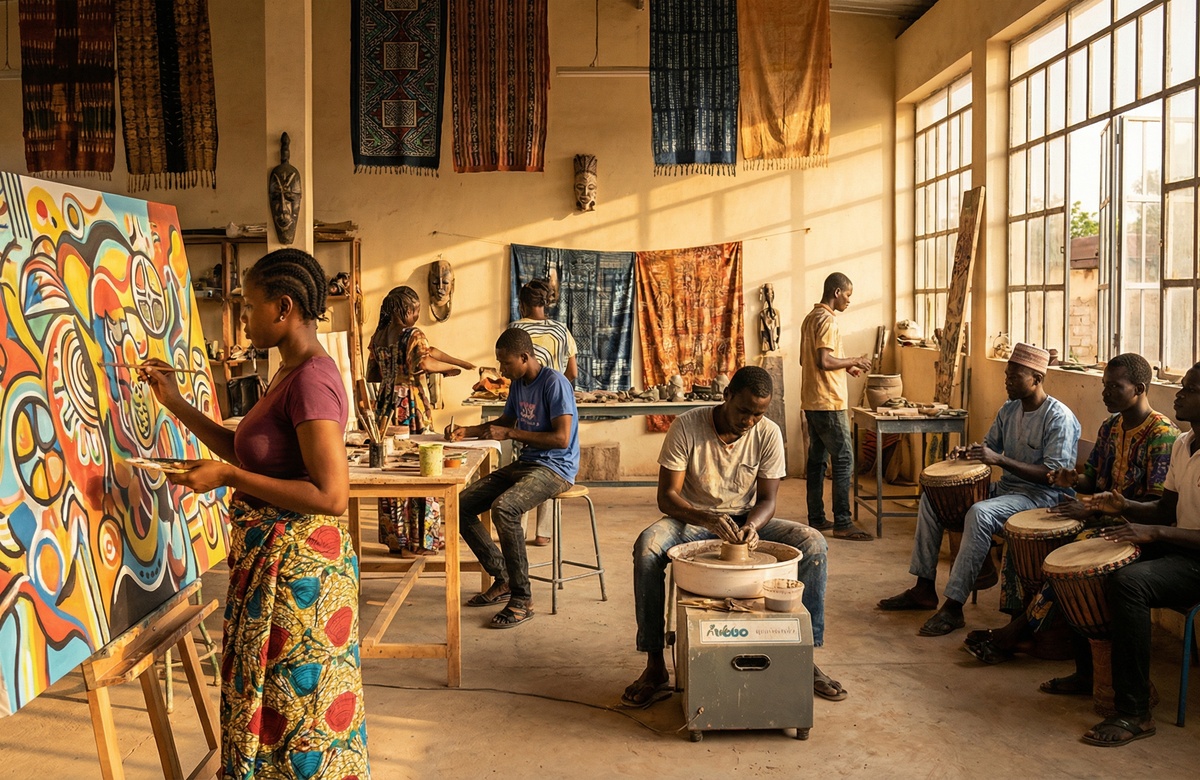
Chad’s creative economy is emerging as a vibrant sector, showcasing the country’s rich cultural heritage and contemporary artistic talent. From filmmakers and musicians to visual artists and fashion designers, a new generation of innovators is redefining creativity in Chad. This article profiles some of the rising stars in Chad’s creative economy and explores the impact of their work on the nation’s cultural and economic development.
The Creative Economy in Chad: An Overview
Chad’s creative economy is rooted in its diverse cultural heritage, drawing inspiration from its more than 200 ethnic groups. Traditional crafts, music, and storytelling are being reimagined by young artists who are blending these traditions with modern influences. The government and international organizations are increasingly recognizing the potential of the creative sector as a driver of economic growth and cultural diplomacy.
Despite challenges such as limited infrastructure and funding, Chad’s creatives are finding innovative ways to share their work with local and global audiences.
Profiles of Chad’s Creative Innovators
1. Achille Coovi: Filmmaker
Achille Coovi is a rising star in Chad’s film industry, known for his visually compelling storytelling that highlights social and cultural themes. His short film “The Oasis of Life”, which explores environmental challenges in the Sahel region, has garnered attention at international film festivals. Achille’s work reflects the resilience of Chad’s communities while raising global awareness about climate issues.
2. Eustache Endezo: Musician
Eustache Endezo is a celebrated musician blending traditional Chadian rhythms with Afrobeat and jazz influences. His album “Echoes of the Sahara” showcases the sounds of Chad’s diverse regions, captivating audiences at home and abroad. Eustache is also an advocate for music education, running workshops to inspire young musicians in N’Djamena.
3. Aicha Zakaria: Fashion Designer
Aicha Zakaria is redefining Chadian fashion with her sustainable clothing line, “Sahel Chic”, which uses locally sourced fabrics and traditional weaving techniques. Her designs highlight Chad’s cultural identity while promoting eco-friendly practices in the fashion industry. Aicha’s collections have been featured in regional fashion shows, earning her recognition as a pioneer in sustainable fashion.
4. Hamid Djamous: Visual Artist
Hamid Djamous is a visual artist whose work explores themes of identity, migration, and belonging. His installations and paintings have been showcased in galleries across Africa and Europe. Hamid’s use of recycled materials reflects his commitment to environmental sustainability, while his art provides a platform for dialogue on social issues.
5. Kaltouma Barché: Poet and Storyteller
Kaltouma Barché is a poet and storyteller preserving Chad’s oral traditions through modern mediums. Her spoken-word performances, which often incorporate music and visuals, resonate with young audiences. Kaltouma’s poetry has been published in anthologies and featured at international literary festivals, solidifying her as a voice for Chad’s cultural renaissance.
The Economic Impact of Chad’s Creative Economy
Job Creation
The creative sector provides employment opportunities for artists, performers, and artisans, as well as those working in production, marketing, and event management.
Promoting Tourism
Chad’s cultural festivals, art exhibitions, and music events attract both domestic and international visitors, boosting the tourism industry.
Preserving Cultural Heritage
Creative innovators play a crucial role in preserving and promoting Chad’s cultural traditions, ensuring they remain relevant for future generations.
Enhancing Global Recognition
By participating in international events and collaborations, Chad’s creatives are putting the country on the global cultural map, fostering cultural diplomacy and trade.
Challenges Facing Chad’s Creative Economy
Limited Funding
Many artists struggle to access funding for their projects, relying on personal resources or small grants from NGOs.
Infrastructure Deficits
The lack of performance spaces, galleries, and recording studios hampers the growth of Chad’s creative sector.
Market Access
Chad’s creatives face challenges in reaching larger markets due to limited distribution channels and online presence.
Policy Gaps
The absence of robust cultural policies and intellectual property protections limits the potential of the creative economy.
Strategies to Support Creative Growth
Government Support
Policies that provide grants, tax incentives, and infrastructure development for the creative sector can foster growth and innovation.
International Collaboration
Partnerships with international organizations, such as UNESCO and cultural exchange programs, can provide funding, training, and global exposure for Chadian artists.
Digital Platforms
Leveraging social media and e-commerce platforms can help artists reach wider audiences and sell their work online.
Community Engagement
Encouraging local communities to support and participate in creative initiatives ensures that the benefits of the creative economy are shared widely.
The Future of Chad’s Creative Economy
The future is bright for Chad’s creative economy, with young innovators leading the way in blending tradition and modernity. By addressing challenges and investing in the sector, Chad can harness its creative talent to drive economic growth, promote cultural pride, and strengthen its global presence.
Conclusion: Creativity as a Catalyst for Change
Chad’s rising stars in the creative economy are not only redefining art and culture but also driving social and economic transformation. Their work inspires a new generation of creatives and demonstrates the power of culture to connect communities and build a sustainable future. As these innovators continue to shine, Chad’s creative economy will undoubtedly become a cornerstone of its development.
 WhatsApp for a Google-Ready Website