Renewable energy is transforming Central Africa, offering sustainable solutions to persistent energy challenges. A growing number of innovators and leaders are spearheading projects that harness the region’s vast potential in solar, wind, and hydropower. These trailblazers are not only advancing energy access but also fostering economic development and environmental sustainability. This article profiles some of the key figures driving renewable energy in Central Africa.
Renewable Energy in Central Africa: An Overview
Central Africa faces significant energy access challenges, with millions lacking reliable electricity. The region’s renewable energy resources, including abundant sunshine and powerful rivers, provide immense opportunities to address these issues sustainably. Governments, NGOs, and private sector players are investing in projects that generate clean energy, reduce carbon emissions, and create jobs.
Despite obstacles like limited infrastructure and funding gaps, renewable energy pioneers are achieving remarkable progress.
Profiles of Renewable Energy Trailblazers
1. Emmanuel Ndoh: Solar Energy Advocate
Emmanuel Ndoh is the founder of Solar Chad Initiative, a program that brings affordable solar energy solutions to off-grid communities. His work focuses on providing solar lanterns and home systems that enable families to light their homes, charge phones, and power small appliances. Emmanuel’s initiative has improved energy access for thousands of rural households while reducing dependence on kerosene.
2. Sarah Etoundi: Hydropower Engineer
Sarah Etoundi, a hydropower expert from Cameroon, leads projects that harness the energy of rivers to produce electricity for rural areas. As the director of the Sanaga River Hydropower Project, she has overseen the development of small-scale hydroelectric plants that power schools, clinics, and businesses. Sarah’s work demonstrates how localized solutions can bridge the energy gap sustainably.
3. Jonas Massengo: Wind Power Innovator
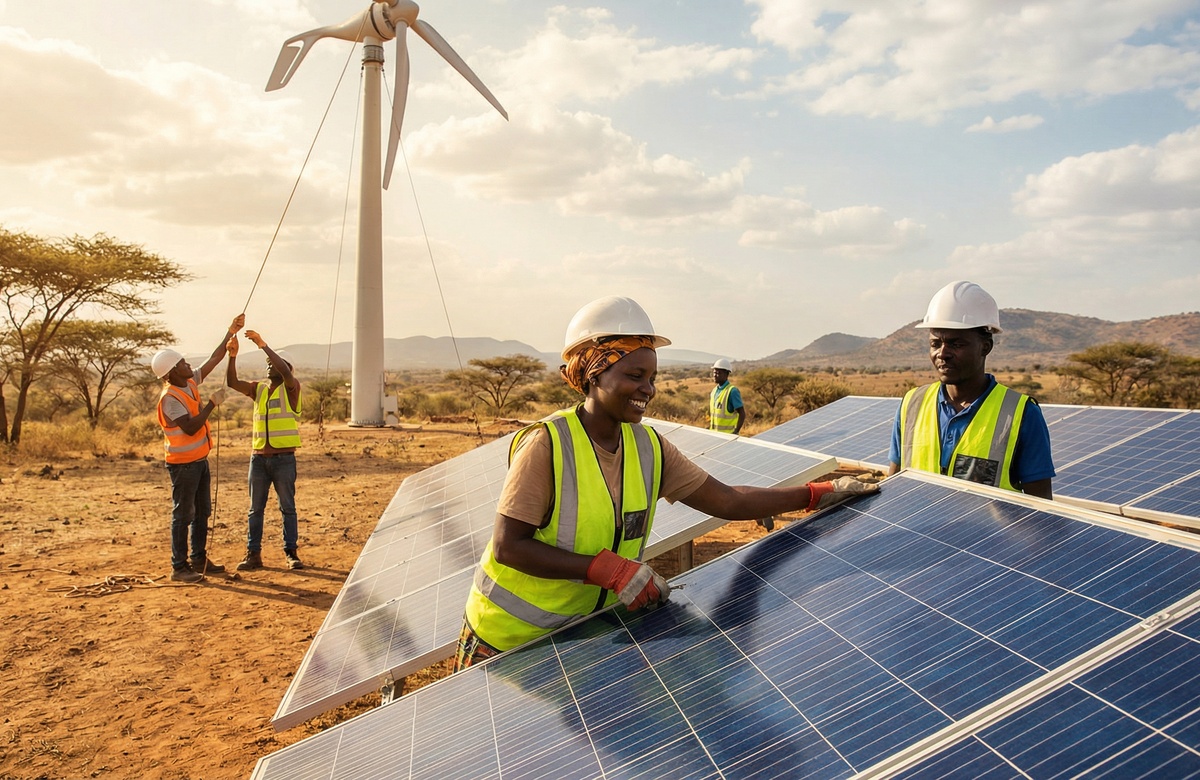
Jonas Massengo is a Congolese entrepreneur pioneering wind energy solutions in the Democratic Republic of Congo (DRC). His company, GreenWind Africa, develops small wind turbines for remote villages and agricultural operations. By integrating wind power into farming practices, Jonas is boosting productivity and supporting rural livelihoods.
4. Amina Barka: Geothermal Energy Specialist
Amina Barka is a leading advocate for geothermal energy in Central Africa, particularly in Chad, which holds untapped geothermal potential. Through her role at Chad Renewable Energy Alliance, Amina is driving research and pilot projects that explore the viability of geothermal energy for powering urban centers and industries.
5. Paulin Goma: Renewable Energy Educator
Paulin Goma, a renewable energy educator from Gabon, focuses on building local capacity through training programs in solar and wind energy technologies. His nonprofit, Energy Future Academy, equips young professionals with the skills needed to design, install, and maintain renewable energy systems. Paulin’s efforts are creating a skilled workforce that supports the growth of the renewable energy sector.
The Impact of Renewable Energy Leaders
Expanding Energy Access
Trailblazers like Emmanuel Ndoh and Sarah Etoundi are bringing electricity to communities that previously relied on inefficient or polluting energy sources, improving quality of life and economic opportunities.
Supporting Economic Growth
Renewable energy projects create jobs in construction, installation, and maintenance, while powering businesses and industries that drive local economies.
Promoting Environmental Sustainability
By replacing fossil fuels with clean energy, renewable energy leaders reduce greenhouse gas emissions and support global climate goals.
Building Local Capacity
Through education and training programs, leaders like Paulin Goma are fostering a skilled workforce capable of sustaining the renewable energy sector.
Challenges in Scaling Renewable Energy
Infrastructure Deficits
The lack of reliable transmission and distribution networks limits the reach of renewable energy projects, particularly in rural areas.
Funding Gaps
Renewable energy projects often require significant upfront investment, which can be challenging to secure in developing economies.
Policy Barriers
Inconsistent policies and regulatory frameworks can hinder the development and implementation of renewable energy initiatives.
Strategies for Supporting Renewable Energy Innovators
Providing Access to Finance
Expanding access to grants, low-interest loans, and venture capital can help innovators fund their projects and scale operations.
Strengthening Policy Support
Governments can encourage renewable energy development through incentives such as tax breaks, subsidies, and streamlined permitting processes.
Investing in Infrastructure
Upgrading grid systems and building microgrids in remote areas will enhance the impact of renewable energy projects.
Promoting Regional Collaboration
Countries in Central Africa can share knowledge, resources, and technologies to accelerate renewable energy adoption and development.
The Future of Renewable Energy in Central Africa
The renewable energy sector in Central Africa holds immense potential for addressing energy poverty, supporting economic growth, and combating climate change. By empowering trailblazers with the resources, policies, and infrastructure they need, the region can achieve a sustainable energy future. As these leaders continue to innovate and inspire, they pave the way for a greener and more inclusive Central Africa.
Conclusion: Leading the Charge for a Sustainable Future
Renewable energy trailblazers in Central Africa are transforming lives and landscapes with their innovative solutions. Their work demonstrates the power of creativity, collaboration, and determination in tackling some of the region’s most pressing challenges. By supporting these pioneers, Central Africa can lead the charge in the global transition to clean and sustainable energy.
 WhatsApp for a Google-Ready Website