Logistics is the backbone of North Africa’s growing trade networks, connecting regional economies to global markets. At the heart of this sector are visionary leaders who are revolutionizing supply chains, integrating advanced technologies, and fostering regional collaboration. This article highlights some of the prominent figures driving logistics success in North Africa and their contributions to enhancing trade and economic growth.
Mehdi Tazi: Transforming Logistics in Morocco
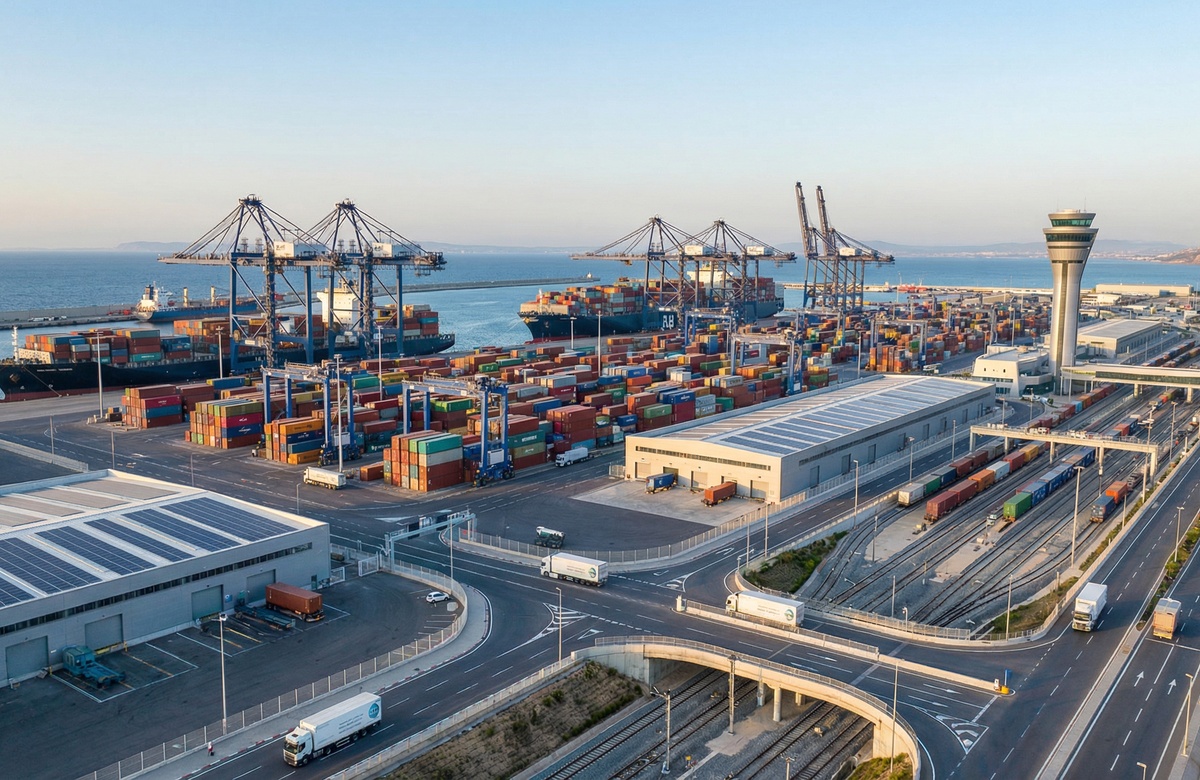
Mehdi Tazi, CEO of Marsa Maroc, has been instrumental in modernizing Morocco’s port logistics infrastructure. Under his leadership, Marsa Maroc has expanded its operations, enhancing the efficiency of ports such as Tanger Med, which is now one of Africa’s largest shipping hubs.
Tazi’s focus on digital transformation has streamlined cargo handling and customs clearance processes, reducing bottlenecks and enabling faster trade flows. His efforts have positioned Morocco as a critical gateway for trade between Africa, Europe, and beyond.
Amira Boubekeur: Pioneering Digital Logistics in Tunisia
Amira Boubekeur, co-founder of LogistiQ, is driving innovation in Tunisia’s logistics sector. Her company provides digital solutions for supply chain management, helping businesses optimize transportation, inventory, and warehousing. By integrating AI-powered analytics, LogistiQ has enabled companies to make data-driven decisions, reducing costs and improving delivery times.
Boubekeur’s work is a testament to the role of technology in transforming logistics and fostering greater regional integration.
Ahmed Benmoussa: Advancing Rail Freight in Algeria
Ahmed Benmoussa, Director of Algeria’s National Railways Transport Company (SNTF), has spearheaded initiatives to expand rail freight networks, improving connectivity within Algeria and with neighboring countries. His efforts have focused on modernizing rail infrastructure and integrating it with major trade routes, such as the Trans-Maghreb Highway.
Benmoussa’s vision for sustainable logistics includes investments in electrified rail systems, reducing the environmental impact of freight transportation while boosting capacity.
Fatma Elshamy: Enhancing Logistics in Egypt
As General Manager of Nile Logistics, Fatma Elshamy has played a key role in revitalizing Egypt’s inland waterway transport system. By leveraging the Nile River for cargo transportation, her company has reduced congestion on roads and lowered logistics costs for businesses.
Elshamy’s leadership has been pivotal in promoting eco-friendly logistics solutions, aligning with Egypt’s sustainability goals and enhancing its competitiveness as a trade hub.
Hassan Khaled: Building Logistics Hubs in Libya
Hassan Khaled, an entrepreneur and logistics consultant, has been at the forefront of rebuilding Libya’s logistics sector in the wake of its economic recovery. He has championed the development of logistics hubs and free trade zones, creating opportunities for international trade and investment.
Khaled’s work emphasizes collaboration with regional and global partners, ensuring that Libya’s logistics infrastructure aligns with modern standards and supports economic diversification.
The Impact of Logistics Leaders on Regional Trade
These leaders are not only optimizing logistics systems but also driving regional trade integration. Their efforts improve supply chain efficiency, reduce costs, and enhance the competitiveness of North African businesses in global markets. By leveraging advanced technologies and fostering collaboration, they are creating resilient and sustainable trade networks.
Fostering the Next Generation of Leaders
The contributions of these logistics leaders underscore the importance of nurturing talent and innovation in the sector. Governments, educational institutions, and private companies must collaborate to develop training programs and provide opportunities for aspiring logistics professionals.
By empowering the next generation of leaders, North Africa can continue to strengthen its position as a key player in global trade, ensuring long-term economic growth and stability.
 WhatsApp for a Google-Ready Website