Agriculture has been a cornerstone of North Africa’s economy for centuries, providing livelihoods, fostering regional trade, and contributing significantly to gross domestic product (GDP). Despite the challenges posed by arid climates and limited water resources, the agricultural sector remains a critical driver of economic development in the region. This article explores how agriculture influences GDP growth, employment, and overall socio-economic stability in North Africa.
Agriculture’s Contribution to GDP
North Africa’s agricultural sector contributes substantially to the GDP of countries like Morocco, Algeria, Tunisia, and Egypt. For instance, Morocco’s agriculture represents nearly 15% of its GDP, driven by exports of citrus fruits, olives, and grains. Egypt’s agricultural output, powered by the Nile Delta, is a key contributor to the nation’s economy, accounting for approximately 11% of its GDP.
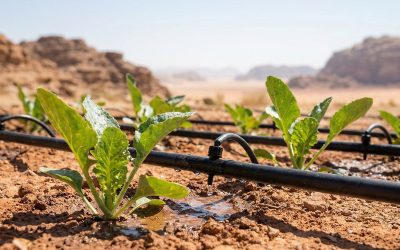
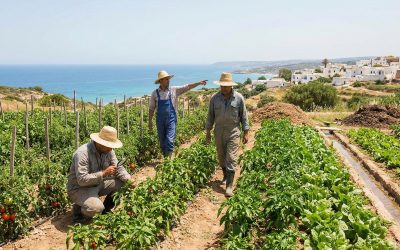
Efforts to modernize agriculture through the adoption of advanced irrigation techniques, mechanization, and crop diversification have increased productivity and export potential. By integrating sustainable practices, governments aim to improve yields and reduce reliance on food imports, thereby strengthening the region’s economic resilience.
Employment in the Agricultural Sector
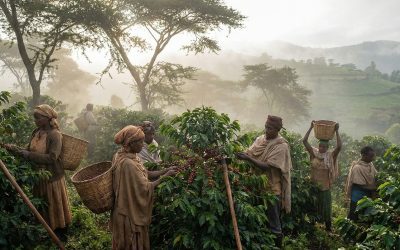
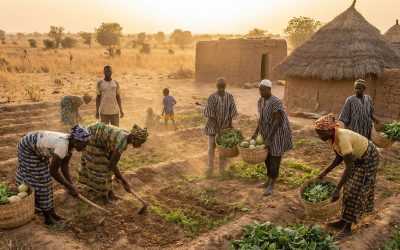
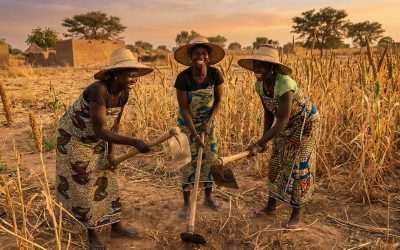
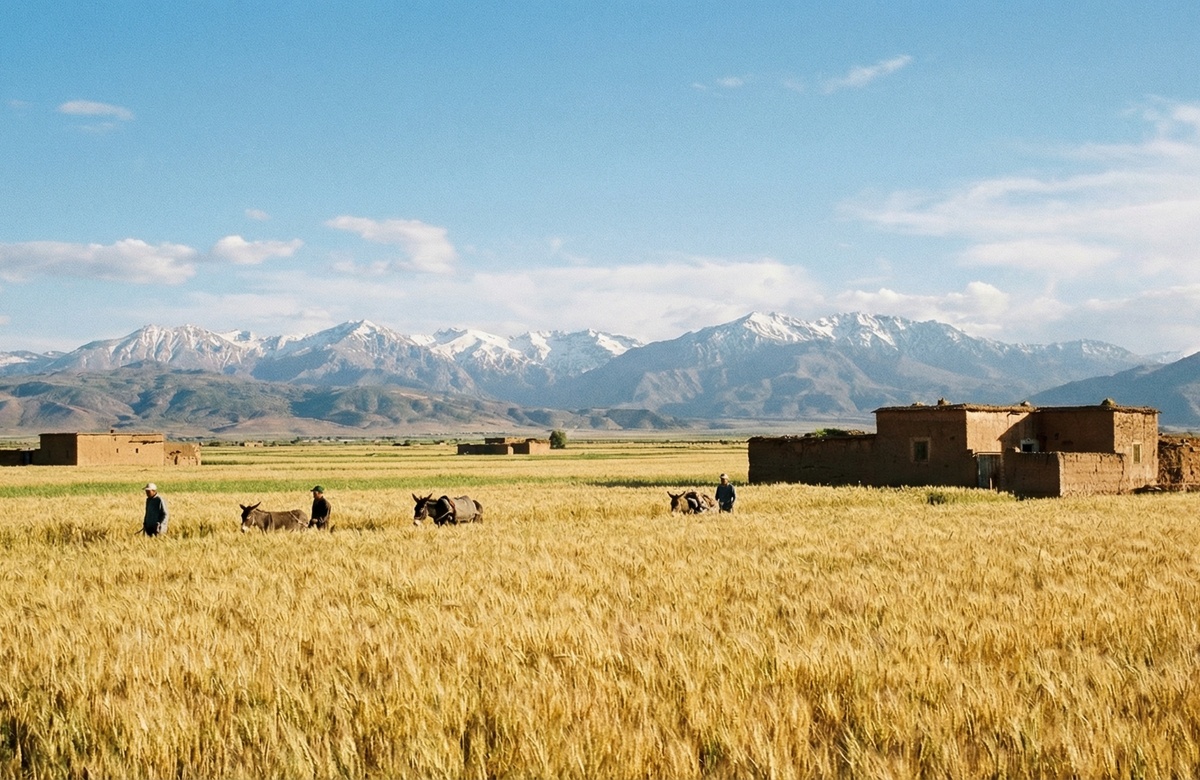
Agriculture is a major source of employment in North Africa, providing jobs for millions, especially in rural areas. In Morocco, over 30% of the workforce is engaged in agriculture. Similarly, Egypt’s agricultural sector employs a significant portion of the population, particularly in smallholder farms and subsistence farming.
The sector’s labor-intensive nature means it supports not only farmers but also workers in ancillary industries such as transportation, packaging, and agro-processing. Governments and international organizations have launched initiatives to train farmers in modern techniques and provide microfinancing to rural entrepreneurs, further boosting employment opportunities.
Enhancing Food Security
North Africa faces unique challenges in ensuring food security due to its dependency on food imports and susceptibility to climate change. In response, countries are focusing on increasing local production of staples like wheat, barley, and maize. Investment in agricultural research and development is also fostering innovation, such as drought-resistant crop varieties and precision farming technologies.
Programs like Egypt’s “1.5 Million Feddan Project” aim to reclaim desert lands for agricultural use, thereby expanding arable land and boosting food self-sufficiency. Such projects not only enhance food security but also create job opportunities and stimulate rural economies.
Agriculture and Regional Trade
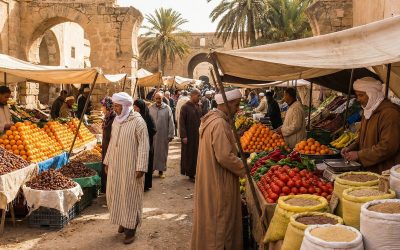
Agriculture plays a pivotal role in regional trade, with North African countries exporting agricultural products to Europe, the Middle East, and sub-Saharan Africa. Olive oil, dates, and citrus fruits are among the key exports driving foreign exchange earnings. Trade agreements such as the African Continental Free Trade Area (AfCFTA) are further enhancing market access for North African agricultural products, fostering economic integration and growth.
Challenges and the Way Forward
Despite its importance, the agricultural sector in North Africa faces significant challenges, including water scarcity, land degradation, and the impacts of climate change. Addressing these issues requires coordinated efforts between governments, private sectors, and international organizations.
Key strategies include:
Water Resource Management: Investing in efficient irrigation systems and rainwater harvesting.
Climate Adaptation: Promoting sustainable farming practices and adopting climate-resilient crops.
Policy Support: Providing subsidies and incentives to smallholder farmers to encourage innovation and productivity.
With the right investments and policy frameworks, North Africa’s agricultural sector has the potential to drive inclusive economic growth, enhance food security, and ensure sustainable development for future generations.
 WhatsApp for a Google-Ready Website