In recent years, organic farming has emerged as a promising opportunity in North Africa, catering to the growing global demand for sustainably produced and chemical-free food. With increasing awareness of health, environmental conservation, and ethical consumption, the market for organic produce has gained momentum. However, the development of this sector in North Africa comes with its own set of challenges and opportunities, as farmers and businesses work to capitalize on its potential.
Understanding Organic Farming in North Africa
Organic farming in North Africa emphasizes sustainable agricultural practices that avoid the use of synthetic pesticides, fertilizers, and genetically modified organisms (GMOs). The region’s diverse climate and fertile soils, especially in countries like Morocco, Egypt, and Tunisia, provide ideal conditions for growing organic crops such as olives, dates, citrus fruits, and herbs. These products are not only staples in local diets but also in high demand across international markets.
The growing interest in organic farming is driven by changing consumer preferences both domestically and globally. Consumers are increasingly prioritizing health-conscious choices, and organic produce, free from harmful chemicals, fits this demand. Furthermore, North Africa’s proximity to Europe, a major market for organic products, positions the region as a key supplier of organic goods.
Export Potential and Market Growth
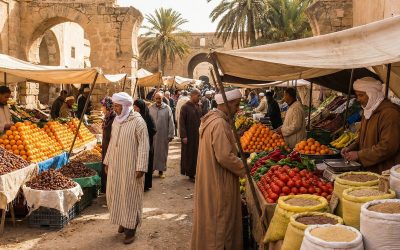
The European Union (EU) remains one of the largest importers of organic produce, and North African countries are capitalizing on this demand. Tunisia, for example, has become one of Africa’s leading exporters of organic olive oil, while Morocco’s organic citrus fruits are highly sought after in European markets. In Egypt, organic herbs and medicinal plants are gaining popularity among international buyers.
Certified organic farming also provides an opportunity for local farmers to access premium prices in export markets. Organic products typically command higher prices than conventionally grown crops, making them an attractive option for farmers looking to increase their income. Additionally, the export of organic goods generates foreign exchange earnings and strengthens economic ties with key trading partners.
Challenges Facing Organic Farming
Despite its potential, organic farming in North Africa faces several challenges. Certification processes for organic products can be lengthy and expensive, particularly for smallholder farmers who often lack the resources to meet international standards. Organic farming also requires knowledge-intensive practices such as crop rotation, composting, and integrated pest management, which many farmers are not yet fully trained in.
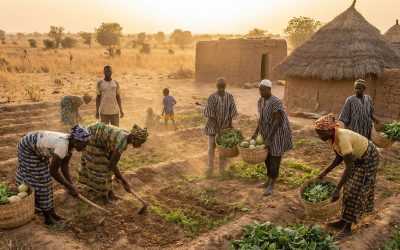
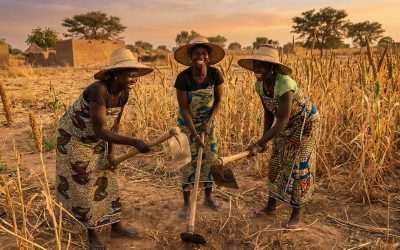
Furthermore, organic agriculture is labor-intensive compared to conventional farming. Farmers must dedicate significant effort to soil management, weed control, and natural pest prevention. These requirements, combined with limited government support in some countries, create barriers to the widespread adoption of organic farming practices.
Policy Support and Innovations
To address these challenges, governments in North Africa are stepping up efforts to promote organic agriculture. Tunisia, for instance, has implemented national policies to support organic farming, including subsidies for certification and technical training programs for farmers. Morocco is investing in research to develop organic farming techniques tailored to its climate and soil conditions, while Egypt is fostering public-private partnerships to expand organic agriculture initiatives.
Innovations in technology are also driving growth in the sector. Mobile applications and digital platforms are helping farmers monitor crop health, track market prices, and access information on organic farming practices. These tools empower farmers to optimize production and connect directly with buyers.
The Role of Organic Farming in Environmental Sustainability
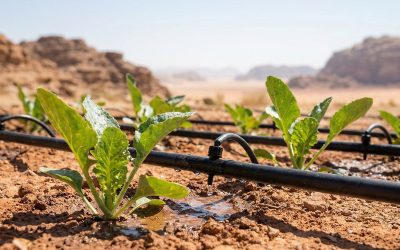
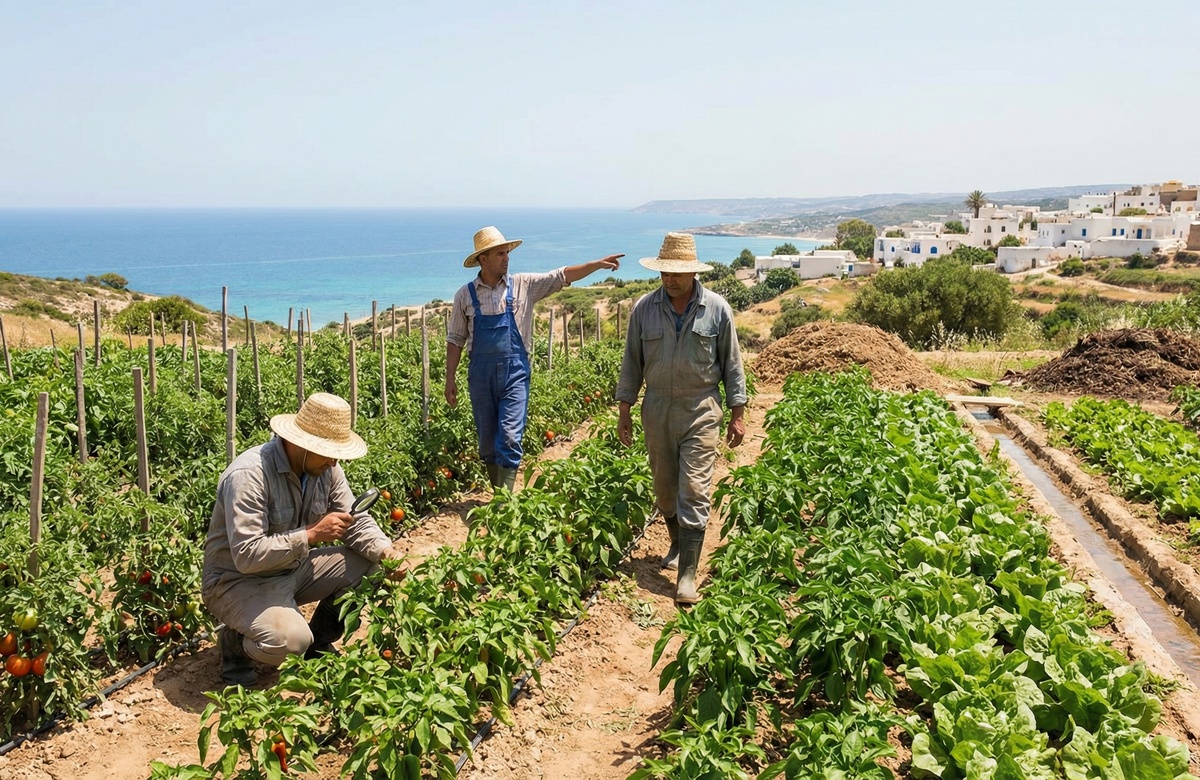
Organic farming contributes significantly to environmental conservation by reducing soil degradation, conserving water, and promoting biodiversity. The avoidance of chemical inputs ensures that soil remains fertile and ecosystems thrive. In North Africa, where water scarcity is a critical issue, organic farming methods such as mulching and drip irrigation help conserve water while maintaining productivity.
The integration of organic farming with agroforestry practices, such as planting trees alongside crops, further enhances the sustainability of agricultural landscapes. These approaches not only improve yields but also combat desertification, which threatens vast areas of the region.
Looking Ahead
The future of organic farming in North Africa is bright, with significant opportunities for growth in both domestic and international markets. By addressing challenges such as certification barriers and knowledge gaps, the region can fully harness the potential of organic agriculture. Investment in training, infrastructure, and market access will be key to ensuring that smallholder farmers benefit from this burgeoning sector.
Organic farming is more than just an agricultural practice; it represents a commitment to health, sustainability, and economic development. As North Africa continues to embrace this approach, it is poised to become a major player in the global organic market, contributing to a greener and more prosperous future.
 WhatsApp for a Google-Ready Website