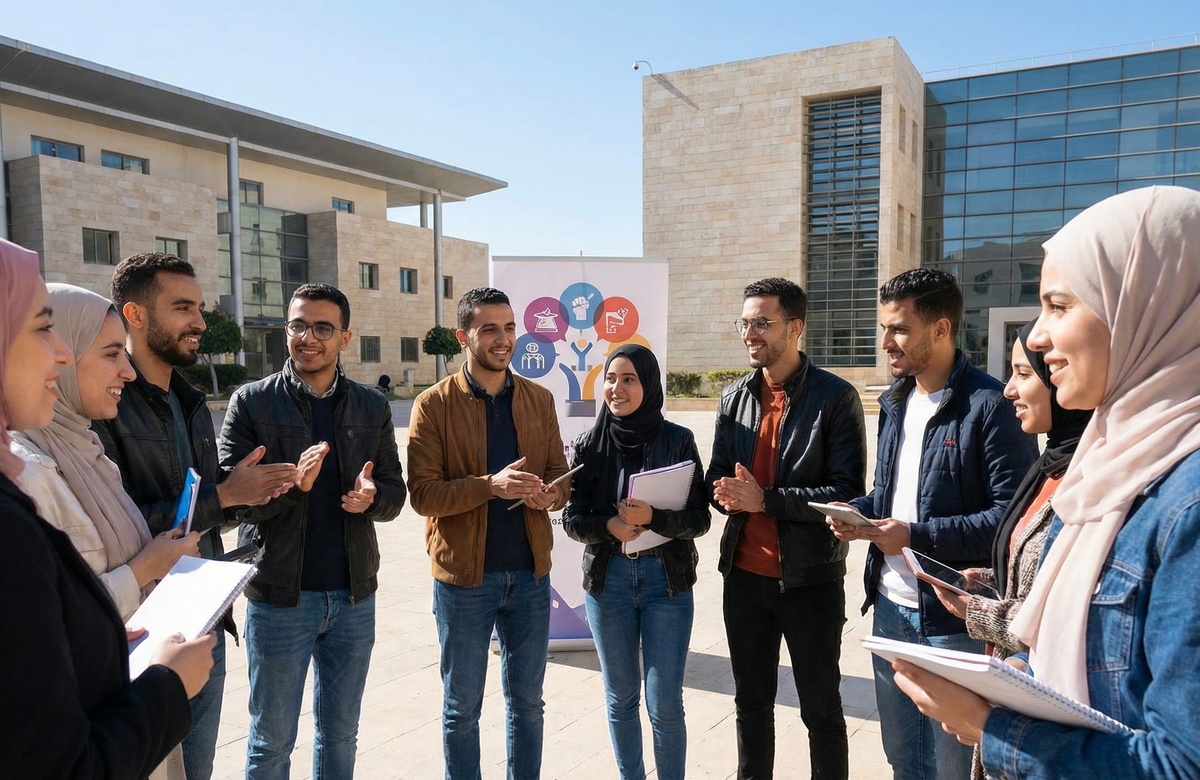
Youth play a pivotal role in shaping governance policies and driving change in North Africa. As the largest demographic group in the region, young people have the potential to influence decision-making processes, advocate for reforms, and contribute to the development of more inclusive governance systems. This article explores how youth engagement is reshaping governance, the challenges they face, and the opportunities for empowering the next generation of leaders.
The Influence of Youth in Governance
Young people are often at the forefront of social and political movements, leveraging their energy, creativity, and digital fluency to demand accountability and transparency from governments. In North Africa, youth-led movements have been instrumental in advocating for democratic reforms and social justice.
For example, Tunisia’s youth played a central role in the 2011 revolution, which led to significant political changes and the establishment of a more inclusive governance framework. Similarly, young activists in Morocco and Algeria have used digital platforms to raise awareness about issues such as corruption, unemployment, and environmental sustainability.
Youth engagement in governance is not limited to protests and advocacy. Increasingly, young people are participating in formal political processes, such as running for office, contributing to policy development, and serving in advisory roles. Their involvement ensures that governance policies reflect the aspirations and needs of the region’s younger population.
Challenges Faced by Youth in Governance
Despite their potential, young people in North Africa face several barriers to meaningful participation in governance. These include:
Limited Representation in Decision-Making:
Youth are often underrepresented in political institutions and decision-making bodies. This exclusion prevents their perspectives and ideas from being adequately considered in governance policies.
High Unemployment Rates:
Economic challenges, including high youth unemployment, limit opportunities for young people to engage actively in governance. Many are focused on securing basic livelihoods, leaving little room for civic participation.
Lack of Access to Resources:
Youth in rural areas and marginalized communities often lack access to education, technology, and networks that enable active participation in governance.
Cultural Barriers:
Traditional norms and hierarchies in some societies discourage young people from questioning authority or participating in decision-making processes.
Empowering Youth to Shape Governance
Governments, civil society organizations, and international bodies are implementing initiatives to empower youth and enhance their role in governance. Key strategies include:
1. Promoting Youth Representation:
Policies aimed at increasing youth representation in political institutions are essential. Quotas for young candidates in local and national elections, as seen in Tunisia, help ensure that governance structures are more inclusive.
2. Supporting Youth-Led Organizations:
Civil society organizations that focus on youth empowerment play a critical role in building leadership skills and providing platforms for advocacy. These organizations help young people engage with policymakers and influence governance reforms.
3. Leveraging Digital Platforms:
Digital technology is a powerful tool for amplifying youth voices. Social media campaigns, online petitions, and virtual town halls enable young people to participate in governance discussions, even in remote areas. Governments can harness these platforms to solicit feedback on policies and foster dialogue with young citizens.
4. Investing in Education and Training:
Equipping youth with knowledge and skills in governance, policy analysis, and civic engagement is essential. Programs that provide mentorship, internships, and leadership training prepare young people to take on governance roles effectively.
Youth-Driven Success Stories in North Africa
Several examples illustrate the impact of youth engagement in governance. In Morocco, youth councils at the municipal level provide platforms for young people to contribute to local decision-making. These councils have successfully advocated for policies on education, employment, and environmental protection.
In Tunisia, youth participation in the constitution-drafting process following the 2011 revolution ensured that the new constitution addressed issues such as gender equality, freedom of expression, and the right to education. This involvement highlights the transformative potential of including young voices in governance.
The Future of Youth in Governance
As North Africa continues to face complex challenges such as unemployment, climate change, and political reform, the active participation of youth in governance will be critical. By creating an enabling environment for young people to engage, governments can harness their energy and innovation to drive sustainable development.
Empowering youth to shape governance policies is not just a demographic necessity but a strategic imperative. With the right support and opportunities, North Africa’s youth can lead the way toward a more inclusive, equitable, and prosperous future.
 WhatsApp for a Google-Ready Website