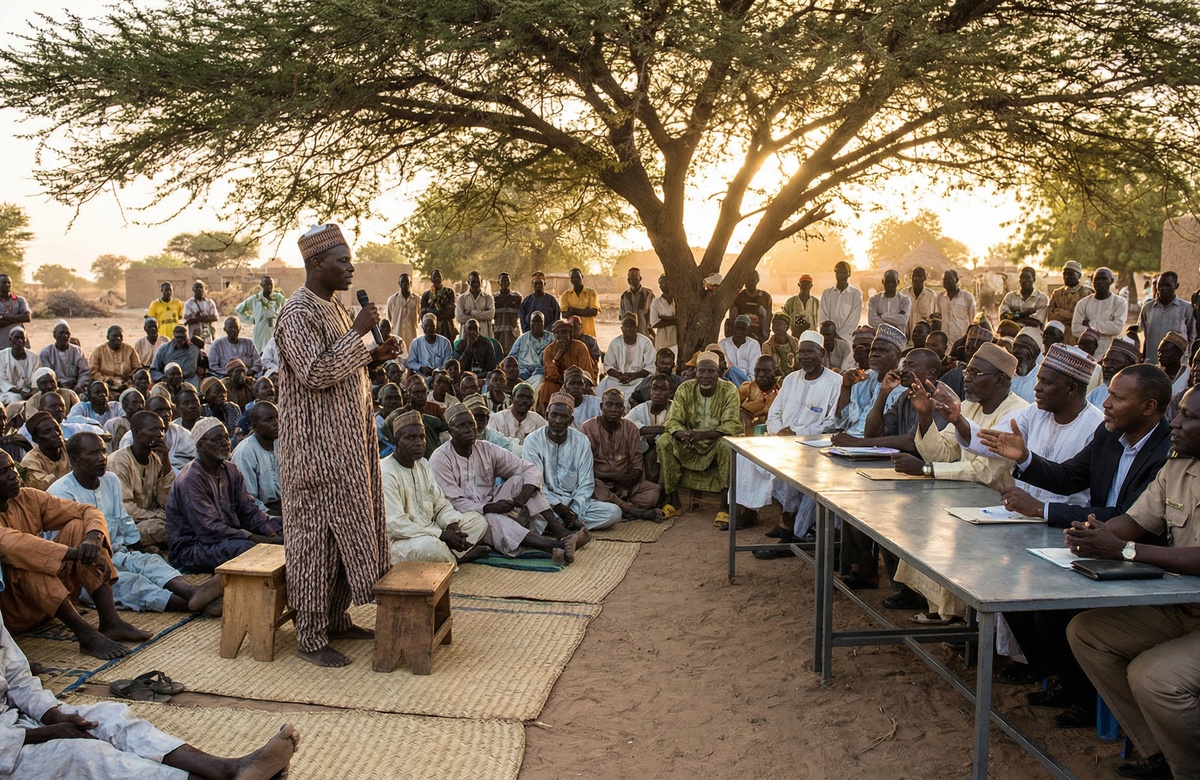
Decentralized governance is a transformative approach to empowering local communities and fostering inclusive development. In Chad, decentralization has become a cornerstone of governance reforms, aiming to improve service delivery, enhance citizen participation, and promote regional development. This article explores the impact of decentralized governance on Chad’s socio-economic landscape and the opportunities it presents for sustainable growth.
Understanding Decentralized Governance in Chad
Decentralized governance refers to the transfer of decision-making powers and resources from central authorities to local governments. In Chad, this process is guided by legal frameworks designed to strengthen local autonomy and promote democratic participation. Decentralization is seen as a key strategy for addressing regional disparities and ensuring that development initiatives are tailored to local needs.
The government has established Regional Development Councils (RDCs) to manage resources and implement development projects at the community level. These councils are tasked with addressing issues such as education, healthcare, infrastructure, and agriculture in their respective regions.
Benefits of Decentralized Governance
1. Improved Service Delivery
Decentralization brings governance closer to the people, enabling local authorities to respond more effectively to community needs. For instance, local governments can allocate resources for building schools, healthcare facilities, and water supply systems based on specific regional priorities.
2. Enhanced Citizen Participation
By involving citizens in decision-making processes, decentralized governance fosters a sense of ownership and accountability. Community meetings and public consultations provide platforms for residents to voice their concerns and contribute to policy formulation.
3. Economic Empowerment
Decentralization promotes regional economic development by enabling local authorities to support small businesses, improve infrastructure, and attract investment. Local governments can design economic policies that leverage regional strengths, such as agriculture, mining, or tourism.
Challenges Facing Decentralized Governance in Chad
Despite its potential, the implementation of decentralized governance in Chad faces significant challenges:
Limited Resources: Local governments often lack the financial and human resources needed to effectively manage their responsibilities.
Capacity Gaps: Many local officials lack the training and expertise required to execute development projects and manage public funds.
Weak Accountability Mechanisms: Ensuring transparency and preventing corruption at the local level remains a challenge, undermining public trust in decentralized governance.
Strategies for Strengthening Decentralization
Capacity Building for Local Officials
Investing in training programs for local government officials is critical for improving their ability to manage resources and deliver services. Partnerships with international organizations can support capacity-building initiatives.
Enhancing Fiscal Autonomy
Providing local governments with adequate financial resources and the ability to generate revenue is essential for effective decentralization. Mechanisms such as local taxation and revenue-sharing arrangements can empower regions to fund their own development.
Promoting Civic Education
Educating citizens about their rights and responsibilities under a decentralized system enhances their ability to participate in governance and hold local authorities accountable.
Strengthening Accountability Mechanisms
Establishing independent oversight bodies and promoting transparency in resource allocation can reduce corruption and build public trust in decentralized governance systems.
Success Stories in Chad
Community-Led Health Initiatives
In southern Chad, decentralized health programs have improved maternal and child healthcare outcomes. Local governments have partnered with NGOs to train health workers and supply medical equipment to rural clinics.
Agricultural Development Projects
Regional councils in Chad’s Sahel region have implemented irrigation and soil management projects to support farmers. These initiatives have increased agricultural productivity and boosted household incomes.
The Future of Decentralized Governance in Chad
Decentralized governance holds immense potential for transforming Chad’s development landscape. By empowering local governments and citizens, the country can address regional disparities, improve service delivery, and promote sustainable growth. However, sustained commitment to capacity building, resource allocation, and accountability will be essential for realizing these benefits.
Conclusion: Local Governance for National Growth
Decentralized governance is a powerful tool for inclusive development, ensuring that no region is left behind. In Chad, this approach can bridge gaps between communities and central authorities, fostering trust, collaboration, and resilience. By strengthening decentralized systems, Chad can unlock the potential of its regions and build a more equitable and prosperous future.
 WhatsApp for a Google-Ready Website