Artificial intelligence (AI) is transforming the logistics sector in North Africa, enabling businesses to optimize operations, reduce costs, and improve customer satisfaction. With the region’s strategic location as a gateway to Europe, Africa, and the Middle East, AI-powered logistics solutions are unlocking new opportunities for growth and competitiveness. This article explores how AI is revolutionizing logistics in North Africa, its key applications, and the benefits it offers to the industry.
The Role of AI in Modern Logistics
AI enhances logistics by providing advanced data analysis, predictive capabilities, and automation. It allows businesses to streamline supply chains, optimize transportation routes, and anticipate demand fluctuations. These capabilities are particularly valuable in North Africa, where logistics efficiency is critical for industries such as agriculture, manufacturing, and e-commerce.
Applications of AI in Logistics
1. Route Optimization:
AI algorithms analyze real-time traffic data, weather conditions, and delivery schedules to identify the most efficient transportation routes. For example, logistics companies in Morocco are using AI-powered tools to reduce delivery times and fuel consumption, enhancing operational efficiency.
2. Predictive Maintenance:
AI-enabled systems monitor the condition of vehicles and equipment, predicting maintenance needs before breakdowns occur. This reduces downtime and ensures consistent service. In Algeria, predictive maintenance is being implemented in freight operations to enhance reliability and reduce costs.
3. Warehouse Automation:
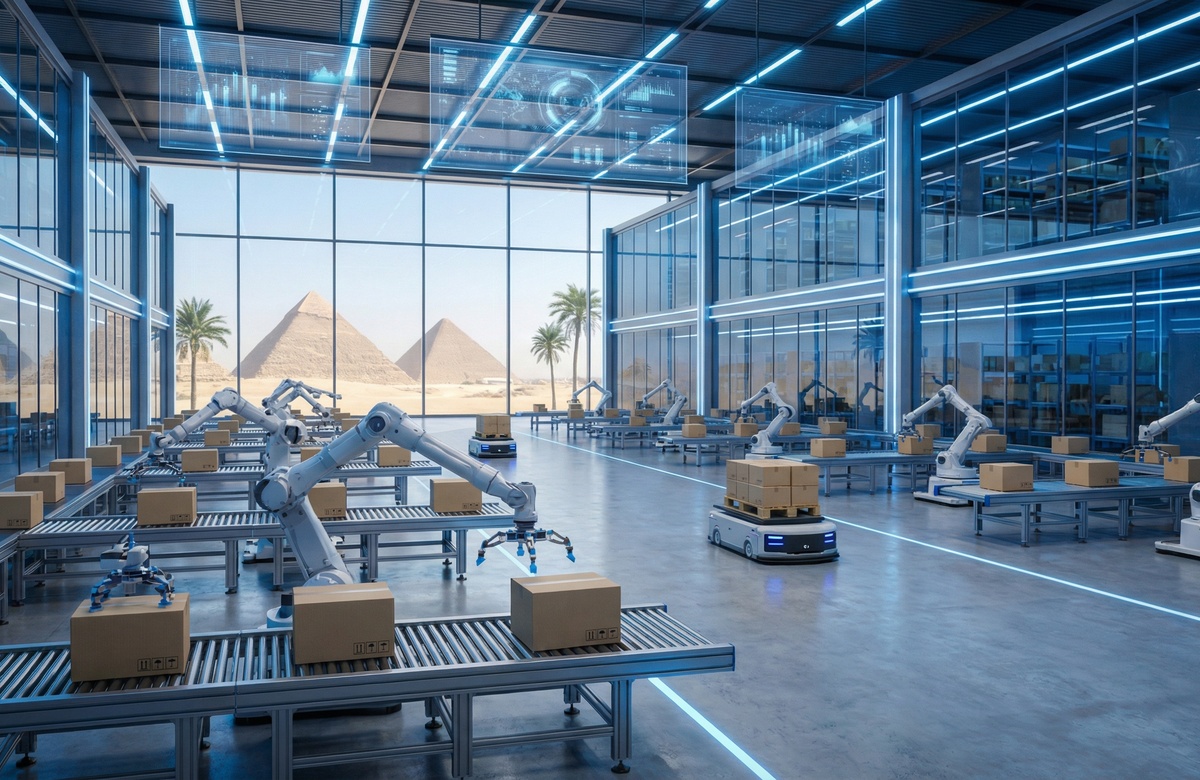
AI-powered robots and systems are transforming warehouse operations by automating inventory management, order picking, and packaging. These innovations improve accuracy and speed, reducing labor costs. Egypt’s logistics hubs are increasingly adopting warehouse automation to meet the growing demands of e-commerce.
4. Demand Forecasting:
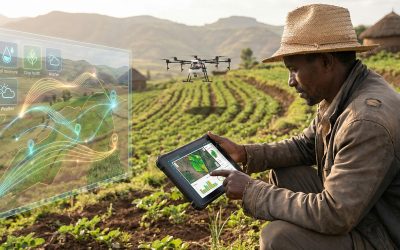
AI analyzes historical data and market trends to predict demand patterns, enabling businesses to optimize inventory levels and reduce waste. This is particularly beneficial for perishable goods in North Africa’s agricultural sector.
5. Customer Experience:
AI chatbots and virtual assistants provide real-time updates on shipments and handle customer inquiries efficiently. These tools enhance transparency and improve customer satisfaction, making businesses more competitive.
Benefits of AI in Logistics
AI-driven logistics solutions offer several advantages, including:
Cost Reduction:
By optimizing routes, automating processes, and reducing errors, AI helps businesses cut costs significantly.
Increased Efficiency:
AI streamlines operations, enabling faster deliveries and better resource utilization.
Enhanced Decision-Making:
Real-time data and predictive analytics empower businesses to make informed decisions, improving overall supply chain performance.
Sustainability:
AI enables fuel-efficient transportation and reduces waste, supporting environmental sustainability efforts.
Challenges in AI Adoption
While AI holds immense potential, its adoption in North Africa faces challenges such as:
High Implementation Costs:
The initial investment in AI technologies can be prohibitive for small and medium-sized enterprises (SMEs).
Lack of Digital Infrastructure:
Inadequate internet connectivity and technological infrastructure hinder the deployment of AI solutions, particularly in rural areas.
Skill Gaps:
The shortage of skilled professionals trained in AI and data analytics limits the sector’s ability to fully embrace these technologies.
Future Prospects for AI in Logistics
Despite these challenges, the future of AI in North Africa’s logistics sector looks promising. Governments and private sector stakeholders are investing in digital infrastructure and training programs to accelerate AI adoption. Public-private partnerships can further drive innovation, creating a supportive ecosystem for AI-powered logistics solutions.
As AI technologies become more accessible and affordable, businesses of all sizes will be able to leverage their benefits. By integrating AI into their operations, logistics companies in North Africa can enhance efficiency, expand their market reach, and remain competitive in the global economy.
AI: Transforming North Africa’s Logistics Future
AI is more than a tool—it is a transformative force that is redefining logistics in North Africa. By embracing AI-driven innovations, the region’s logistics sector can overcome longstanding challenges, unlock new opportunities, and contribute to economic growth and sustainability.
 WhatsApp for a Google-Ready Website