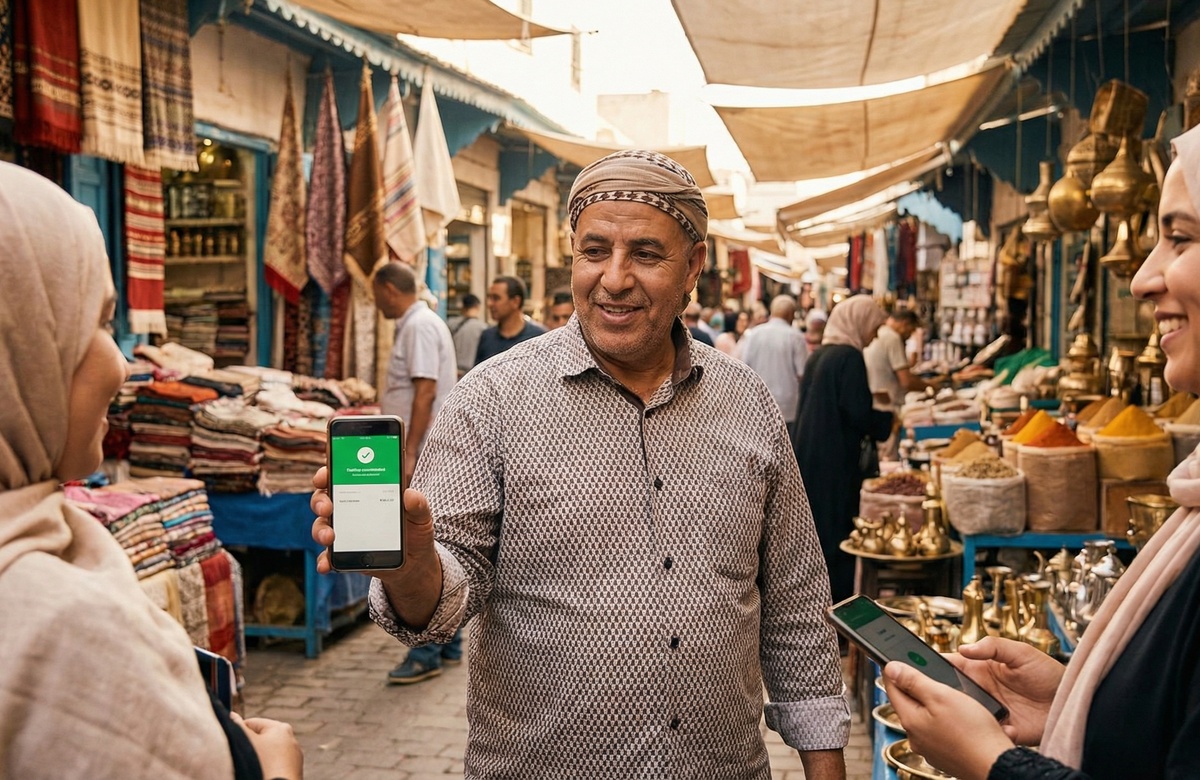
Financial technology, or fintech, is transforming the financial landscape of North Africa by bridging the gap between traditional banking systems and underserved populations. With its ability to provide affordable, accessible, and efficient financial services, fintech is playing a pivotal role in promoting financial inclusion across the region. This article explores how fintech is driving change, the challenges it faces, and its potential to reshape North Africa’s economies.
The Role of FinTech in Financial Inclusion
Fintech encompasses a broad range of technologies that streamline financial services, including mobile banking, digital wallets, peer-to-peer lending, and blockchain-based payment systems. In North Africa, where large segments of the population remain unbanked, fintech provides an opportunity to integrate these individuals into the formal financial system.
Traditional banking systems often exclude rural populations and low-income individuals due to high costs and geographical barriers. Fintech addresses these issues by leveraging mobile technology to deliver financial services directly to users’ devices. For instance, mobile money platforms allow users to perform transactions, pay bills, and access credit without needing a physical bank account.
FinTech Innovations in North Africa
1. Mobile Money Services:
Mobile money platforms such as Orange Money and Djezzy Money have gained widespread adoption in North Africa. These services enable users to deposit, transfer, and withdraw money via mobile phones, providing a lifeline for individuals in remote areas without access to banks.
2. Digital Wallets:
Digital wallets, such as Egypt’s FawryPay, are facilitating cashless transactions for everyday needs. These platforms integrate with online marketplaces and retail outlets, offering convenience and security for users.
3. Microfinance Solutions:
Fintech companies are offering microloans tailored to small businesses and entrepreneurs. In Morocco, fintech startup Wafacash provides affordable microfinance options to underserved communities, enabling them to start or expand businesses.
4. Blockchain for Remittances:
Blockchain technology is streamlining cross-border payments, reducing transaction fees, and improving transparency. Startups in Algeria and Tunisia are exploring blockchain-based solutions to facilitate remittances from the diaspora.
5. Digital Lending Platforms:
AI-powered lending platforms are helping individuals and SMEs access credit without lengthy paperwork or high collateral requirements. These platforms assess creditworthiness using alternative data, such as mobile usage and payment histories.
Impact on Economic Growth and Inclusion
The rise of fintech in North Africa has far-reaching implications for economic growth and social development. By providing access to credit, savings, and insurance, fintech empowers individuals and small businesses to participate in the economy. This, in turn, drives entrepreneurship, job creation, and income generation.
Fintech also enhances gender equity by providing women with tools to manage finances independently. In rural areas, where traditional banking services are often inaccessible to women, mobile money platforms have proven particularly impactful.
Moreover, the digitization of financial services improves efficiency and transparency, reducing opportunities for corruption and fraud. Governments and NGOs are leveraging fintech to distribute social benefits, ensuring that aid reaches intended recipients quickly and securely.
Challenges Facing FinTech in North Africa
Despite its potential, fintech in North Africa faces several challenges:
Regulatory Barriers:
Outdated or inconsistent regulations can hinder the growth of fintech startups. Governments must create clear frameworks to support innovation while ensuring consumer protection.
Limited Digital Infrastructure:
Inadequate internet connectivity and high data costs in some regions restrict access to fintech services, particularly in rural areas.
Financial Literacy Gaps:
Many individuals lack the knowledge and confidence to use digital financial services effectively. Addressing this gap is crucial for widespread adoption.
Trust and Security Concerns:
Cybersecurity threats and fears of fraud deter some users from embracing digital financial platforms. Strengthening security measures is essential to building trust.
The Future of FinTech in North Africa
The fintech sector in North Africa is poised for exponential growth as governments, investors, and entrepreneurs recognize its transformative potential. Public-private partnerships can accelerate fintech adoption by addressing infrastructure gaps and promoting financial literacy. Regional collaboration, particularly under frameworks like the African Continental Free Trade Area (AfCFTA), can create opportunities for scaling fintech solutions across borders.
As digital infrastructure improves and mobile penetration increases, fintech will play an even greater role in fostering financial inclusion. By breaking down barriers to access and empowering underserved populations, fintech has the potential to reshape North Africa’s economic future, making it more inclusive, resilient, and dynamic.
 WhatsApp for a Google-Ready Website