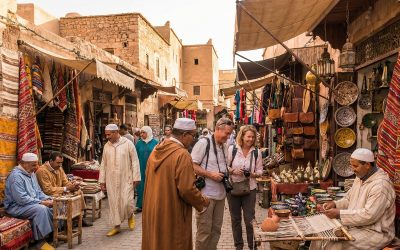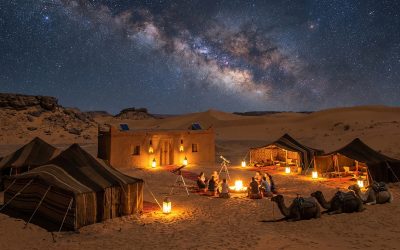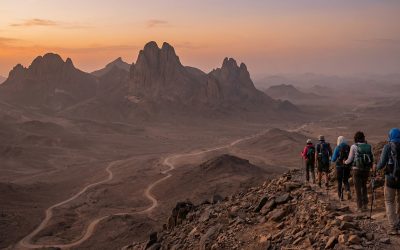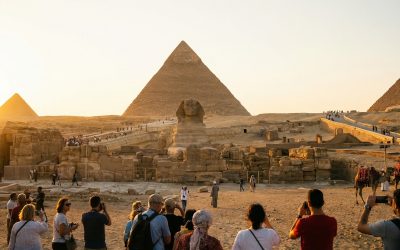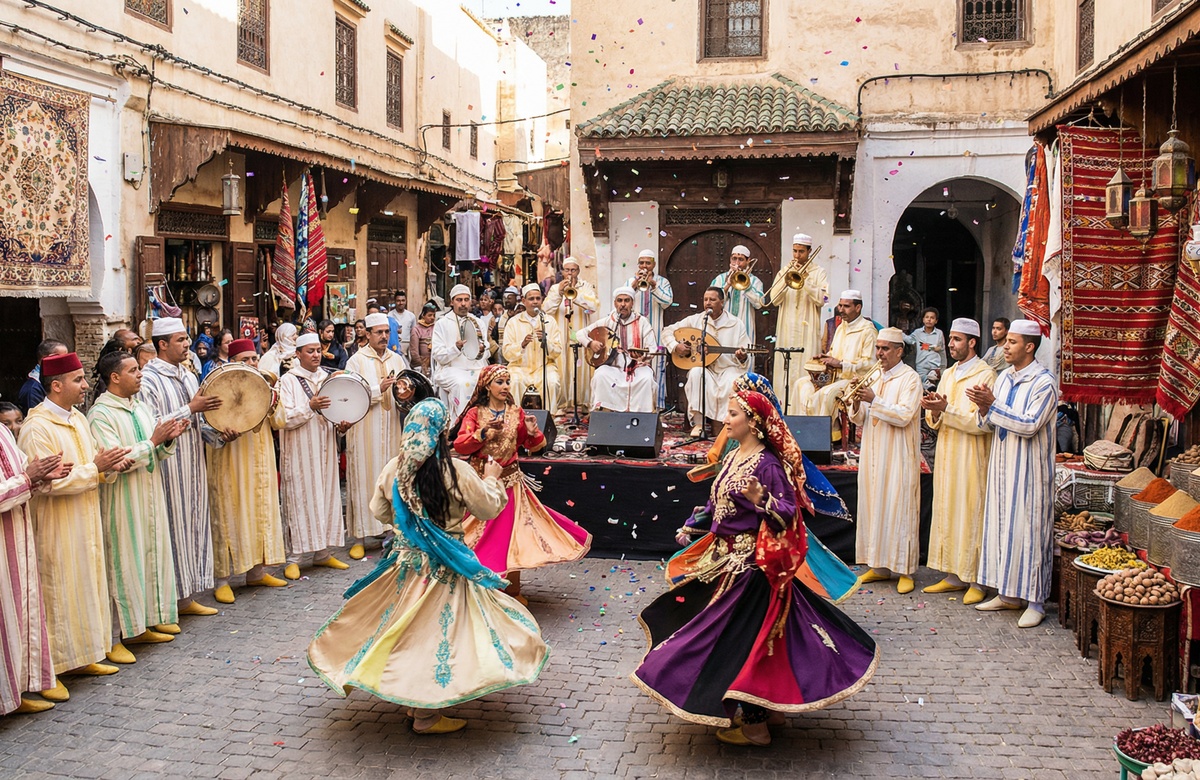
Morocco’s cultural festivals are a vibrant celebration of the country’s rich history, artistic heritage, and diverse traditions. These events attract visitors from across the globe, offering unique experiences that highlight Morocco’s cultural wealth while driving economic growth through tourism. This article explores some of Morocco’s most iconic cultural festivals, their significance, and their impact on local communities and the economy.
The Significance of Cultural Festivals in Morocco
Cultural festivals in Morocco serve as a bridge between the past and present, preserving traditional art forms while fostering innovation. They provide a platform for artists, musicians, and performers to showcase their talents, ensuring that Morocco’s heritage remains alive and relevant. Beyond their cultural value, these festivals play a crucial role in promoting tourism, generating income for local businesses, and strengthening community ties.
Iconic Cultural Festivals in Morocco
1. Fez Festival of World Sacred Music
Held annually in the historic city of Fez, this festival brings together musicians and performers from various religious and cultural backgrounds. With its theme of unity and harmony, the event features concerts, workshops, and discussions that explore the intersections of spirituality and art. The festival attracts thousands of attendees and has positioned Fez as a global hub for cultural tourism.
2. Marrakech International Film Festival
This internationally renowned festival celebrates the art of filmmaking, showcasing films from around the world while promoting Moroccan cinema. Hosted in the enchanting city of Marrakech, the festival includes screenings, workshops, and networking opportunities for filmmakers. It has become a key event for the global film industry and a major draw for tourists.
3. Timitar Festival in Agadir
Dedicated to Amazigh (Berber) culture, the Timitar Festival is a celebration of indigenous music and identity. Performers from across Morocco and beyond come together to share traditional and contemporary music. The festival not only highlights Amazigh heritage but also fosters cultural exchange and inclusivity.
4. Festival of the Roses in Kelaat M’Gouna
Every spring, the town of Kelaat M’Gouna celebrates its rose harvest with a colorful festival that includes parades, music, and the crowning of a Rose Queen. The festival attracts visitors to the region’s stunning valleys and rose fields, boosting local tourism and the production of rose-based products.
5. Gnaoua World Music Festival in Essaouira
Essaouira’s Gnaoua Festival is a captivating blend of traditional Gnaoua music and international genres like jazz and blues. The festival celebrates Morocco’s African heritage and the spiritual rhythms of Gnaoua, creating a dynamic cultural exchange. It has gained global recognition, drawing music enthusiasts and travelers to the coastal city.
Economic and Social Impact of Cultural Festivals
Cultural festivals contribute significantly to Morocco’s economy by driving tourism and supporting local industries. Hotels, restaurants, and transport services benefit from the influx of visitors, while artisans and vendors gain exposure and sales opportunities. Festivals also create jobs, particularly in event management, hospitality, and creative industries.
Socially, these events strengthen community bonds by bringing people together to celebrate shared heritage. They foster pride in local traditions and provide a platform for cultural dialogue, promoting mutual understanding and respect.
Challenges and Opportunities
While cultural festivals bring numerous benefits, they also face challenges such as funding constraints, environmental impact, and the need for sustainable planning. Ensuring that festivals remain inclusive and accessible to local communities is crucial for their long-term success.
Opportunities exist to further enhance the impact of these festivals. Expanding marketing efforts, leveraging digital platforms for broader reach, and fostering collaborations with international partners can elevate the global profile of Morocco’s cultural events.
A Celebration of Morocco’s Heritage
Morocco’s cultural festivals are more than just events—they are vibrant expressions of the country’s identity and heritage. By preserving traditions, fostering creativity, and driving economic growth, these festivals play a pivotal role in shaping Morocco’s cultural and economic landscape. As the country continues to embrace its rich diversity, these celebrations will remain a cornerstone of its cultural narrative.
 WhatsApp for a Google-Ready Website