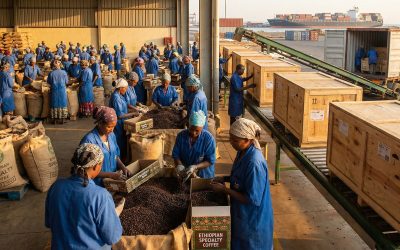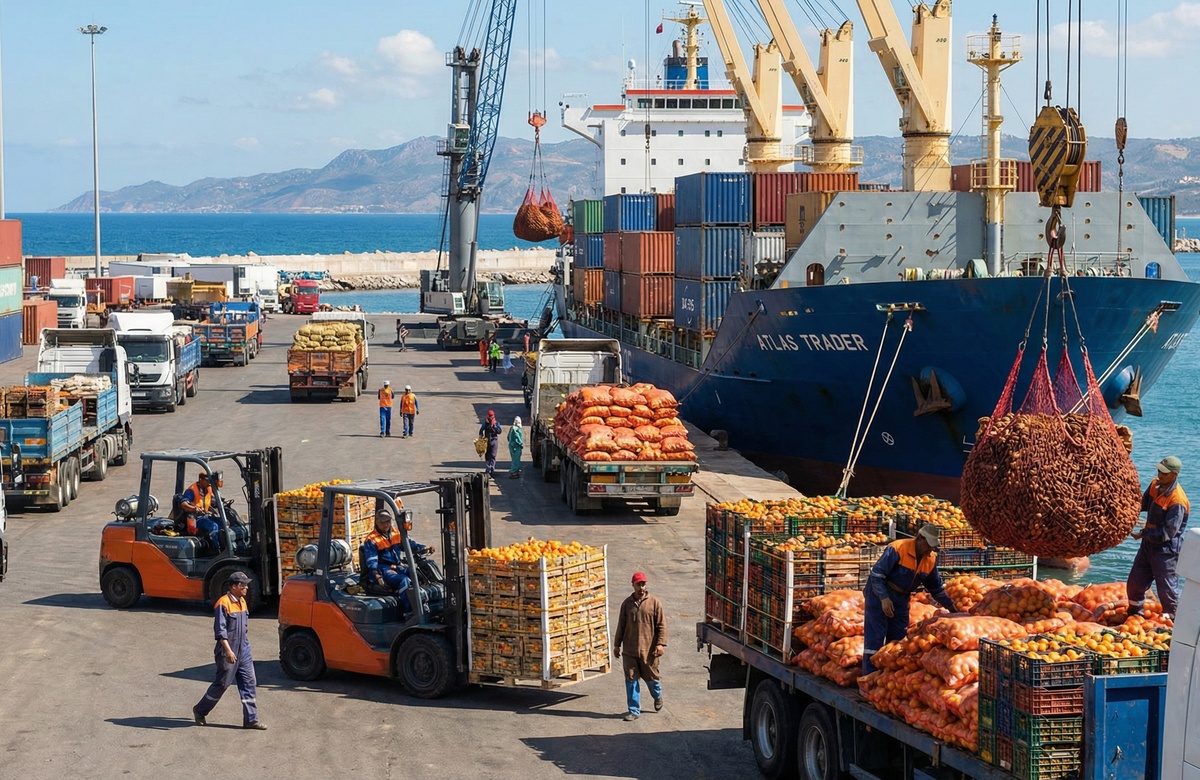
Exporting is a key driver of economic growth, enabling businesses to access new markets, increase revenues, and enhance competitiveness. North Africa, with its rich resources and diverse industries, has immense potential to thrive in global markets. From agricultural products to artisanal goods and renewable energy components, the region offers a wide array of export opportunities. This article explores strategies for North African businesses to succeed in international trade and the challenges they must overcome.
Identifying Export Opportunities
North African businesses can capitalize on several high-demand sectors for exports:
Agricultural Products:
Egypt and Morocco are major exporters of fruits, vegetables, and herbs, supplying European and Middle Eastern markets. Products such as citrus fruits, olives, and dates are highly sought after for their quality and flavor.
Artisanal Goods:
Handcrafted items, including Moroccan rugs, Tunisian ceramics, and Algerian jewelry, are popular in global markets. These products appeal to consumers seeking unique, culturally rich items.
Renewable Energy Components:
As the world transitions to clean energy, North Africa’s manufacturing of solar panels, wind turbine parts, and related technologies is gaining traction in global supply chains.
Textiles and Apparel:
Tunisia and Morocco are key players in the textile industry, exporting garments to European countries. Their proximity to Europe and adherence to quality standards make them competitive in fast-fashion markets.
Strategies for Export Success
1. Understand Target Markets
Businesses must research their target markets thoroughly, analyzing consumer preferences, regulatory requirements, and competitive landscapes. Trade fairs, online market analysis tools, and government export promotion agencies provide valuable insights.
2. Leverage Free Trade Agreements (FTAs)
North African countries have established FTAs with key trading partners, such as the European Union, the United States, and African nations. These agreements lower tariffs and simplify trade processes, making exports more competitive.
3. Invest in Quality Assurance
Meeting international standards is crucial for success in global markets. Certifications such as ISO for quality management or organic labels for agricultural products enhance credibility and marketability.
4. Build Strong Logistics Networks
Efficient logistics are critical for timely and cost-effective exports. Businesses should collaborate with reliable shipping companies and invest in technologies that optimize supply chain management.
5. Embrace Digital Tools
Digital platforms like Alibaba, Amazon, and Etsy provide access to international buyers. E-commerce allows small and medium-sized enterprises (SMEs) to showcase their products globally without the need for extensive physical infrastructure.
Overcoming Export Challenges
Exporting from North Africa is not without its challenges. Common barriers include:
Regulatory Complexity:
Navigating customs regulations, documentation, and compliance requirements can be daunting for new exporters.
Infrastructure Gaps:
Inadequate transport and port facilities in some areas increase costs and delay shipments.
Limited Access to Financing:
Many businesses struggle to secure the capital needed for scaling operations and meeting export demands.
Government and Private Sector Support
Governments in North Africa are actively promoting exports through initiatives such as trade missions, financial subsidies, and capacity-building programs. Morocco’s National Export Strategy and Egypt’s Export Development Authority provide resources and support for businesses entering global markets.
Private sector collaborations, including partnerships with international buyers and participation in export consortia, further enhance competitiveness and market reach.
The Future of North African Exports
With its strategic location, diverse resources, and growing focus on innovation, North Africa is well-positioned to expand its presence in global markets. By adopting a strategic approach and addressing challenges, businesses can unlock their export potential and contribute to regional economic growth.
The path to export success requires adaptability, collaboration, and a commitment to quality. As North Africa strengthens its trade relationships and leverages its unique strengths, the region will continue to play a significant role in the global economy.
 WhatsApp for a Google-Ready Website