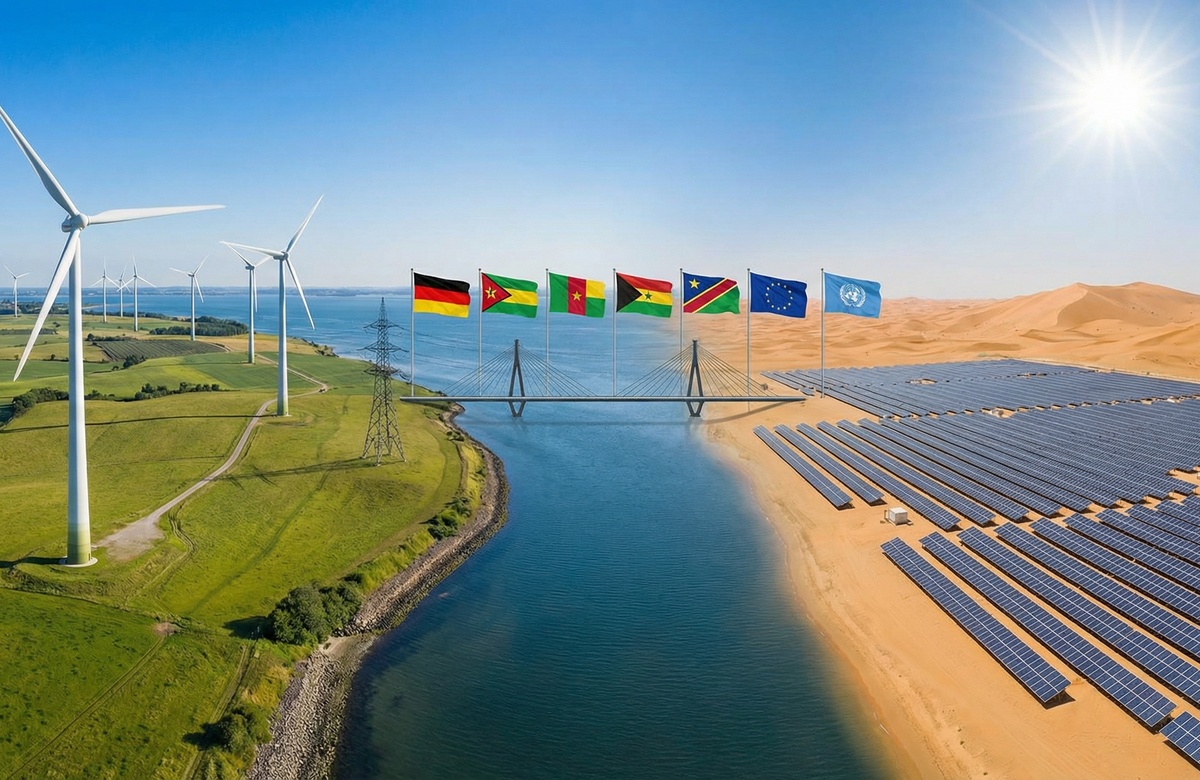
As North Africa accelerates its transition to renewable energy, lessons from global energy leaders can provide valuable insights into strategies for success. Countries like Germany, China, and the United States have set benchmarks in renewable energy innovation, policy, and infrastructure development. By adapting these best practices to its unique context, North Africa can enhance its energy capacity, sustainability, and economic growth. This article explores key takeaways from global energy leaders and their relevance to North Africa.
Germany: The Power of Policy and Public Support
Germany’s Energiewende (Energy Transition) serves as a model for integrating renewable energy into national grids. The country’s success stems from strong policy frameworks, including feed-in tariffs that incentivize renewable energy production. Public investment in research and development has also driven innovation in solar and wind technologies.
North Africa can adopt similar strategies by implementing clear renewable energy policies and providing financial incentives for businesses and households to invest in solar panels, wind turbines, and other clean technologies. Public awareness campaigns can foster community support for sustainable energy projects.
China: Scaling Up Renewable Energy Infrastructure
China leads the world in renewable energy capacity, thanks to its large-scale investments in solar and wind power infrastructure. The country’s focus on domestic manufacturing has reduced costs and accelerated deployment, making renewable energy accessible to a broader population.
For North Africa, investing in local manufacturing facilities for renewable energy components can create jobs, reduce import dependency, and lower installation costs. Large-scale solar and wind farms, like Morocco’s Noor Ouarzazate Solar Complex, can serve as flagship projects to attract international investment and expertise.
United States: Innovating Through Public-Private Partnerships
The United States has demonstrated the effectiveness of public-private partnerships (PPPs) in driving renewable energy adoption. Programs like the Department of Energy’s ARPA-E (Advanced Research Projects Agency-Energy) encourage collaboration between government agencies, academic institutions, and private companies to develop cutting-edge technologies.
North Africa can foster similar partnerships to accelerate renewable energy research, infrastructure development, and workforce training. Collaborating with global technology firms and local universities can spur innovation and build a skilled labor force to support the region’s energy transition.
Scandinavian Countries: Prioritizing Sustainability
Scandinavian countries, such as Denmark and Sweden, emphasize sustainability in their energy strategies. Denmark’s commitment to wind energy has made it a global leader in wind turbine manufacturing, while Sweden’s focus on circular economy principles ensures efficient resource use in energy production.
North Africa can draw inspiration from these countries by integrating sustainability into its energy policies. Promoting energy efficiency, recycling materials, and utilizing renewable energy for industrial processes can enhance the region’s environmental credentials while reducing costs.
Challenges in Adopting Global Practices
While the lessons from global energy leaders are valuable, North Africa faces unique challenges in adopting these practices. Limited financial resources, inadequate infrastructure, and varying political priorities can hinder progress. To address these challenges, the region must prioritize regional collaboration, seek international funding, and develop customized strategies that align with local conditions.
Opportunities for North Africa’s Energy Sector
The future of renewable energy in North Africa is bright, with opportunities to:
Expand Regional Cooperation: Collaborative projects, such as the Desertec initiative, leverage North Africa’s abundant solar resources to supply energy to Europe and neighboring regions.
Attract Foreign Investment: Clear policies and stable regulatory environments can attract global investors to fund renewable energy projects.
Develop Local Talent: Establishing renewable energy training programs ensures a skilled workforce capable of managing and maintaining energy systems.
North Africa’s Path to Energy Leadership
By learning from global energy leaders, North Africa can strengthen its renewable energy sector and contribute to global sustainability efforts. With strategic planning, innovation, and international collaboration, the region can achieve energy independence, reduce carbon emissions, and unlock new economic opportunities.
 WhatsApp for a Google-Ready Website