North Africa’s strategic location at the crossroads of Europe, Africa, and the Middle East positions the region as a vital link in global supply chains. With its proximity to major markets, expanding infrastructure, and diverse industries, North Africa is increasingly integrating into international trade networks. This article explores the region’s contributions to global supply chains, the industries driving its growth, and the challenges and opportunities it faces.
Strategic Importance of North Africa
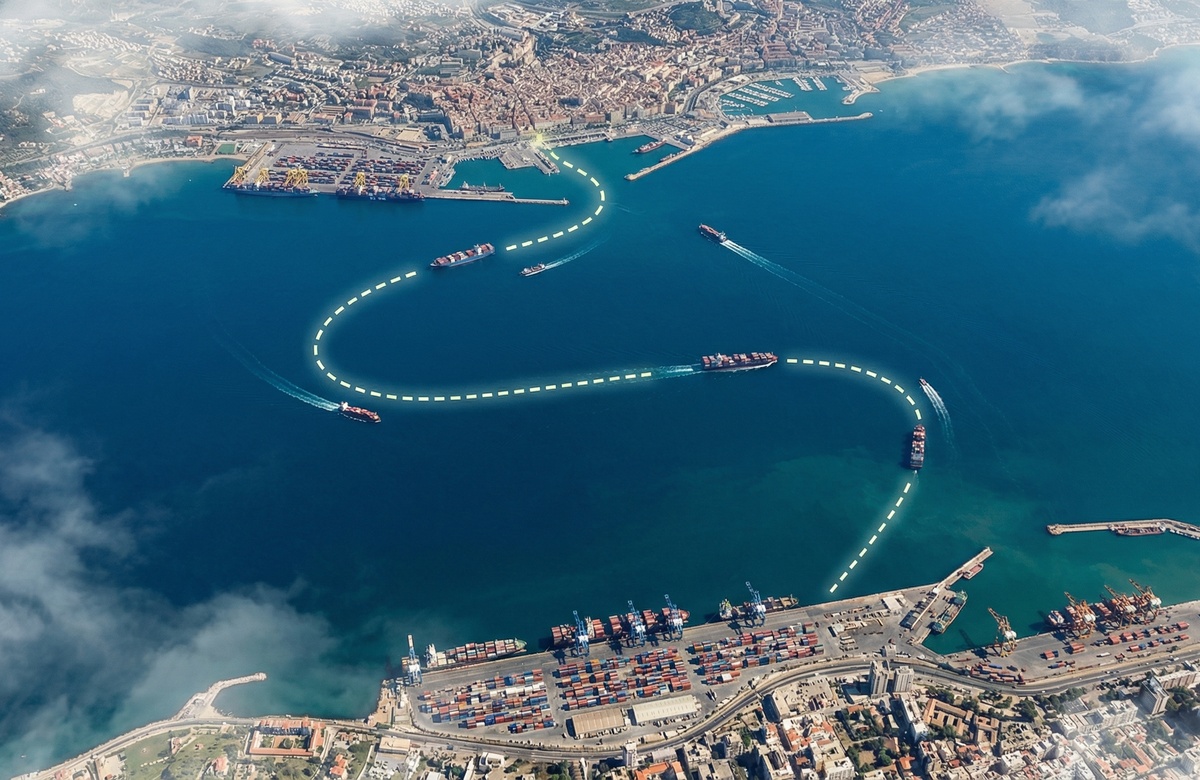
North Africa’s geographical advantage lies in its accessibility to multiple continents. The region serves as a gateway for goods moving between Europe and sub-Saharan Africa and plays a crucial role in connecting Asia and the Middle East with Western markets. Key ports such as Tanger Med in Morocco and Port Said in Egypt are among the busiest in the region, facilitating the movement of goods and reducing transit times for global trade.
Industries Driving Supply Chain Integration
1. Automotive Manufacturing
Morocco has emerged as a hub for automotive production, with global manufacturers such as Renault and Stellantis operating large facilities in the country. The automotive sector benefits from North Africa’s cost-effective labor and access to European markets through trade agreements, making it a key contributor to supply chains.
2. Textiles and Apparel
Tunisia and Morocco are significant players in the textile and apparel industry, exporting garments to European markets. These industries leverage the region’s skilled workforce and short lead times, enabling them to compete in the fast-fashion segment.
3. Agriculture and Agri-Business
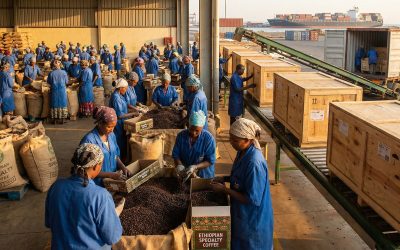
North Africa’s fertile lands and favorable climate support the production of fruits, vegetables, and grains for export. Countries like Egypt and Morocco supply fresh produce to European supermarkets, reinforcing the region’s importance in agricultural supply chains.
4. Renewable Energy Components
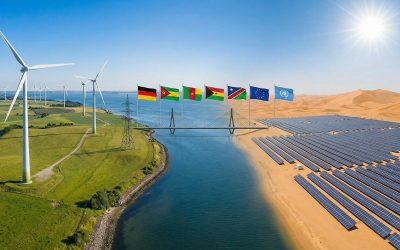
The growing focus on renewable energy has positioned North Africa as a manufacturing base for solar panels and wind turbine components. Investments in green energy projects, such as Morocco’s Noor Ouarzazate Solar Complex, further enhance the region’s supply chain relevance.
Challenges Facing North Africa’s Supply Chain Integration
Despite its strategic advantages, North Africa faces challenges in fully integrating into global supply chains:
Infrastructure Gaps: While major ports and highways are well-developed, rural areas often lack the connectivity needed for efficient supply chain operations.
Regulatory Barriers: Complex customs procedures and inconsistent regulations can create delays and increase costs for exporters.
Political Instability: Periodic political unrest in some countries poses risks to supply chain continuity.
Limited Technological Adoption: Many businesses still rely on manual processes, which reduces efficiency and competitiveness.
Opportunities for Growth
To strengthen its role in global supply chains, North Africa can capitalize on several opportunities:
Investing in Digital Infrastructure: Adopting technologies such as blockchain, IoT, and AI can enhance supply chain transparency, efficiency, and security.
Promoting Regional Integration: Strengthening intra-regional trade through frameworks like the African Continental Free Trade Area (AfCFTA) can create synergies and reduce dependency on external markets.
Sustainability Initiatives: Emphasizing eco-friendly practices and renewable energy in supply chain operations aligns with global sustainability goals, attracting environmentally conscious investors.
Expanding Free Trade Zones: Developing more free trade zones and industrial parks can incentivize foreign direct investment and improve logistics capabilities.
The Future of North Africa in Global Trade
North Africa’s role in global supply chains is poised to grow as the region continues to invest in infrastructure, technology, and workforce development. Governments and private sector players must collaborate to address existing challenges and create an enabling environment for businesses.
By enhancing connectivity, streamlining regulations, and leveraging its strategic location, North Africa can become a pivotal player in global supply chains, driving economic growth and fostering regional prosperity.
 WhatsApp for a Google-Ready Website