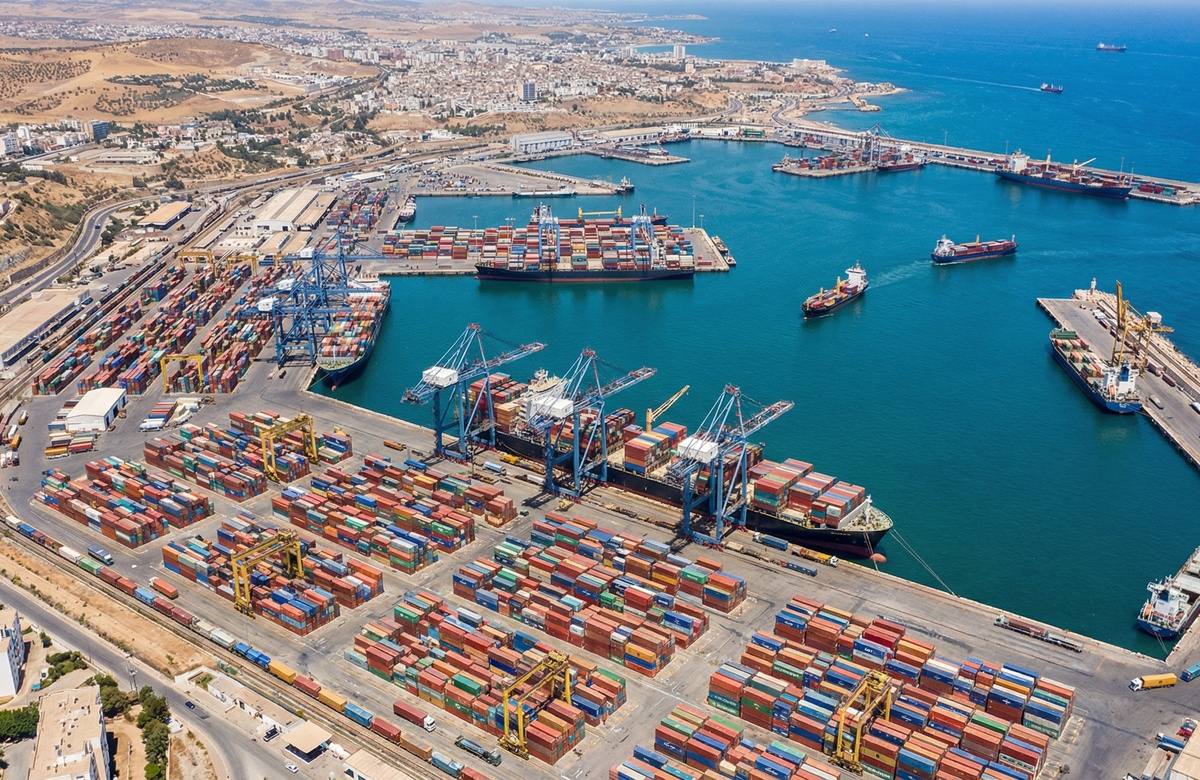
Governance plays a pivotal role in fostering regional trade and economic integration. In North Africa, improving governance frameworks can unlock immense opportunities for cross-border trade, enhance economic stability, and drive sustainable development. With trade agreements such as the African Continental Free Trade Area (AfCFTA) gaining traction, effective governance has become a critical factor in ensuring the success of regional trade initiatives.
The Importance of Governance in Regional Trade
Strong governance is essential for creating a stable and predictable trade environment. Effective policies, streamlined regulations, and transparent institutions build investor confidence and facilitate the smooth flow of goods and services across borders. In North Africa, where trade volumes remain below potential, governance reforms can address bottlenecks such as corruption, bureaucratic inefficiencies, and inconsistent policies.
Regional trade is not merely an economic activity but a tool for fostering collaboration and resilience among neighboring countries. By improving governance, North African nations can enhance trust, reduce trade costs, and create a unified market that benefits all stakeholders.
Challenges to Regional Trade Governance
Despite its strategic location and abundant resources, North Africa faces several challenges in governance that hinder regional trade growth. These include:
Bureaucratic Red Tape: Lengthy customs procedures and inconsistent documentation requirements delay the movement of goods across borders, increasing costs for businesses.
Infrastructure Gaps: Insufficient transport and logistics infrastructure, such as roads, ports, and rail networks, limit connectivity and trade efficiency.
Regulatory Fragmentation: Differences in trade regulations and standards between countries complicate cross-border transactions and discourage investments.
Corruption and Lack of Transparency: Weak institutional frameworks and corruption undermine trade governance, reducing competitiveness and trust among trading partners.
Policy Initiatives to Strengthen Governance
To overcome these challenges, North African countries are implementing policy initiatives aimed at improving governance and fostering regional trade growth:
Harmonizing Trade Regulations: Under the AfCFTA framework, member countries are working to align their trade policies, reduce non-tariff barriers, and standardize customs procedures. These efforts simplify cross-border trade and create a level playing field for businesses.
Investing in Infrastructure: Governments are prioritizing investments in transport and logistics infrastructure to enhance regional connectivity. Projects such as the Trans-Maghreb Highway, which links Morocco, Algeria, and Tunisia, aim to facilitate trade by improving road networks.
Digital Transformation: The adoption of digital tools, such as e-customs platforms and electronic trade documentation, is streamlining processes and reducing opportunities for corruption. In Egypt, for example, the National Single Window for Foreign Trade streamlines export and import procedures, saving time and costs.
Strengthening Regional Institutions: Collaborative bodies like the Arab Maghreb Union (AMU) are being revitalized to address trade-related issues and promote economic integration among North African countries.
The Role of Public-Private Partnerships
Public-private partnerships (PPPs) are essential for driving governance reforms and addressing trade challenges. By involving private sector stakeholders in policymaking, governments can create more inclusive and effective trade policies. For instance, partnerships between logistics firms and government agencies can improve supply chain efficiency and reduce trade costs.
Private sector participation also ensures that governance frameworks reflect the realities of the business environment, making them more practical and impactful.
Unlocking the Potential of Regional Trade
Improved governance in regional trade has far-reaching implications for North Africa’s economic future. Enhanced trade flows generate employment, attract foreign investment, and promote industrialization. Additionally, regional trade reduces dependency on external markets, increasing resilience against global economic shocks.
By addressing governance challenges, North African nations can leverage their strategic location and resources to become a hub for intra-African and global trade. The successful implementation of governance reforms will not only boost economic growth but also foster stronger regional ties and cooperation.
 WhatsApp for a Google-Ready Website