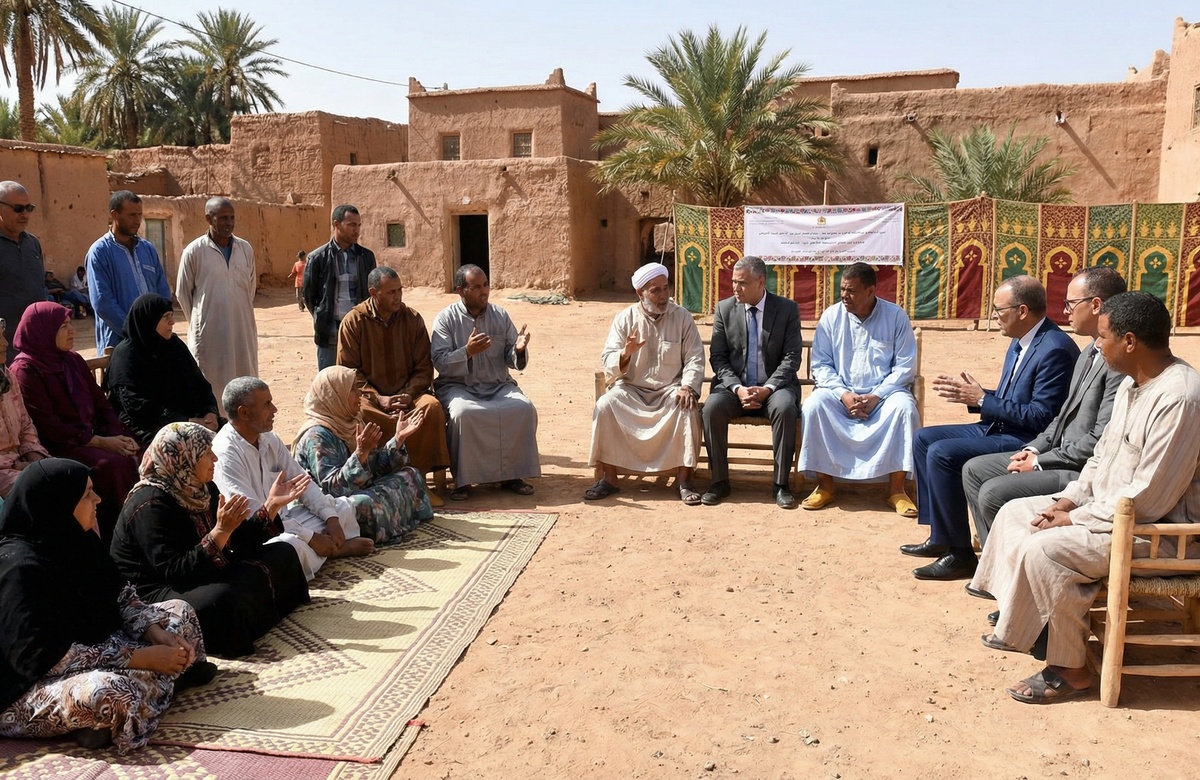
Decentralized decision-making is transforming governance in North Africa, empowering local communities to play a more active role in their development. By delegating decision-making powers to regional and municipal authorities, governments can address local needs more effectively, improve service delivery, and foster grassroots participation. This article explores the benefits, challenges, and future potential of decentralized governance in North Africa.
What is Decentralized Decision-Making?
Decentralized decision-making involves transferring authority from central governments to regional, municipal, or local governments. This approach allows decisions about resource allocation, infrastructure development, and service delivery to be made closer to the communities they affect. In North Africa, decentralization is seen as a way to bridge the gap between urban and rural areas, ensuring that policies reflect the unique challenges and opportunities of each region.
Benefits of Decentralization for Local Communities
Decentralized governance brings numerous benefits to local communities, including:
Improved Responsiveness to Local Needs:
Decentralization enables local governments to tailor policies and programs to the specific needs of their communities. For instance, rural areas can prioritize agricultural development, while urban centers focus on infrastructure and housing.
Enhanced Public Participation:
With decision-making powers closer to the people, citizens have more opportunities to engage in governance processes. Community meetings, participatory budgeting, and local elections empower residents to voice their concerns and influence decisions that impact their lives.
Efficient Service Delivery:
Local authorities, being more familiar with their regions, can allocate resources more efficiently. Decentralization reduces bureaucratic delays and ensures that services such as healthcare, education, and sanitation reach underserved areas more effectively.
Economic Development:
Decentralization encourages investment by creating business-friendly environments at the local level. Regional governments can tailor incentives and streamline regulations to attract businesses, boosting employment and economic growth.
Examples of Decentralization in North Africa
North African countries have taken steps toward decentralization with varying degrees of success. In Morocco, the 2011 constitution introduced regionalization reforms, granting more autonomy to local governments. Regional councils now oversee development projects, manage budgets, and implement policies aligned with local priorities.
In Tunisia, the 2018 municipal elections marked a significant milestone in decentralization. Newly elected councils were given authority over urban planning, waste management, and local economic development. These reforms aim to strengthen democracy and address regional disparities.
Algeria has also initiated decentralization efforts, focusing on empowering provinces (wilayas) to manage infrastructure projects and public services. By allocating funds directly to local authorities, the government seeks to improve service delivery and foster community-driven development.
Challenges of Decentralization
Despite its benefits, decentralization in North Africa faces several challenges:
Limited Capacity of Local Governments:
Many local authorities lack the financial resources, technical expertise, and institutional capacity needed to fulfill their responsibilities effectively. This often leads to delays in project implementation and service delivery.
Inequality Between Regions:
Disparities in resource distribution can exacerbate inequalities between wealthier urban areas and poorer rural communities. Without equitable funding mechanisms, decentralization risks leaving some regions behind.
Political Resistance:
In some cases, central governments are reluctant to relinquish control over decision-making, slowing the pace of decentralization. Political resistance can undermine the effectiveness of reforms and limit their impact.
Accountability and Transparency:
Decentralization can create opportunities for corruption if adequate checks and balances are not in place. Ensuring transparency and accountability at the local level is essential for maintaining public trust.
The Future of Decentralization in North Africa
To maximize the potential of decentralization, North African governments must address these challenges through targeted reforms. Building the capacity of local governments is a critical step, which includes providing training for officials, establishing clear frameworks for resource allocation, and leveraging technology to improve governance.
Equitable funding mechanisms are also essential to ensure that all regions benefit from decentralization. Governments can introduce redistributive policies to support underdeveloped areas while incentivizing local innovation and entrepreneurship.
Transparency and accountability should remain a priority. Strengthening oversight mechanisms, promoting citizen engagement, and fostering partnerships between local governments and civil society organizations can enhance trust and ensure the success of decentralization efforts.
Decentralization as a Catalyst for Change
Decentralized decision-making has the potential to transform governance in North Africa by empowering local communities, improving service delivery, and fostering inclusive development. By embracing decentralization, governments can create more responsive and equitable systems that address the diverse needs of their populations. As North Africa continues on this path, decentralization promises to be a catalyst for economic growth, social cohesion, and democratic governance.
 WhatsApp for a Google-Ready Website